Strategic Attrition of the Defensive Axis
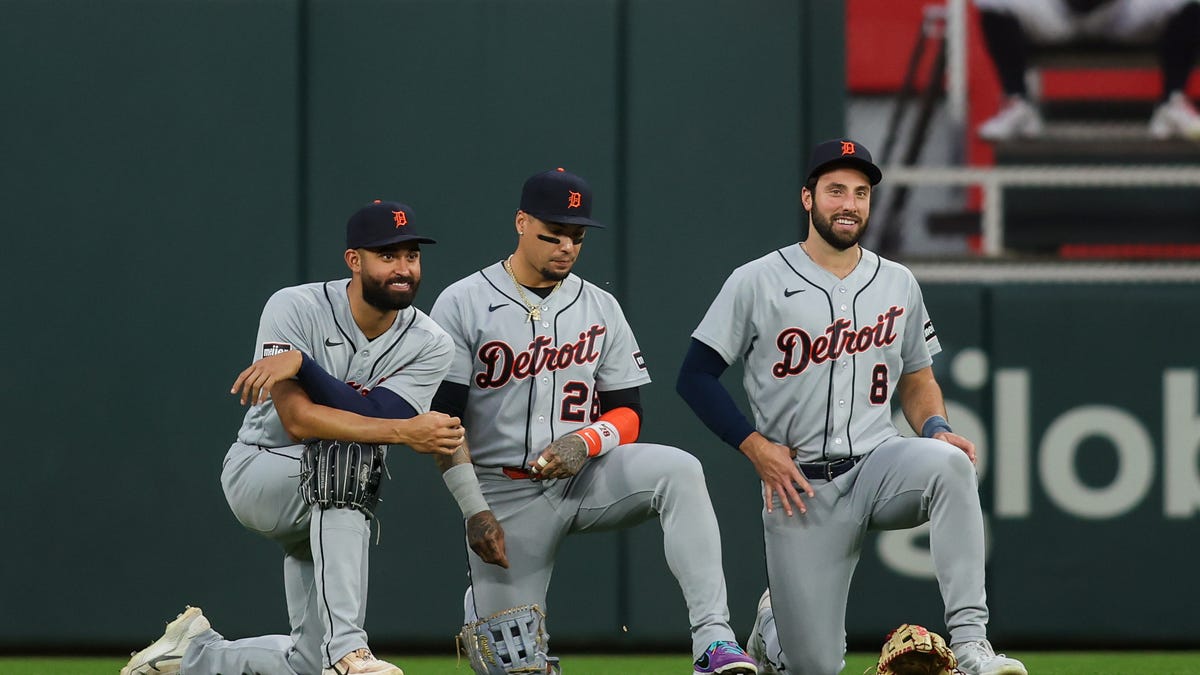
The Detroit Tigers’ operational stability suffered a dual blow during their 5-2 loss to the Atlanta Braves at Truist Park. The simultaneous departures of right-hander Casey Mize and shortstop Javier Báez introduce immediate volatility into the team’s core rotation and infield configuration. For a club oscillating around the .500 mark, this sudden erosion of veteran personnel forces an accelerated reliance on organizational depth during a high-leverage segment of the schedule.
Biomechanical Load and Pitcher Mobility
Casey Mize’s exit in the third inning—attributed to right groin tightness—underscores the physical risks inherent when starting pitchers engage in defensive maneuvers. The injury occurred during a lateral fielding attempt, a movement that places extreme stress on the adductor muscles necessary for a pitcher’s kinetic drive. This development places immediate strain on the bullpen, which was forced into premature service to cover the remaining six innings, potentially compromising arm availability for subsequent matchups.
Infield Configuration and Defensive Redundancy
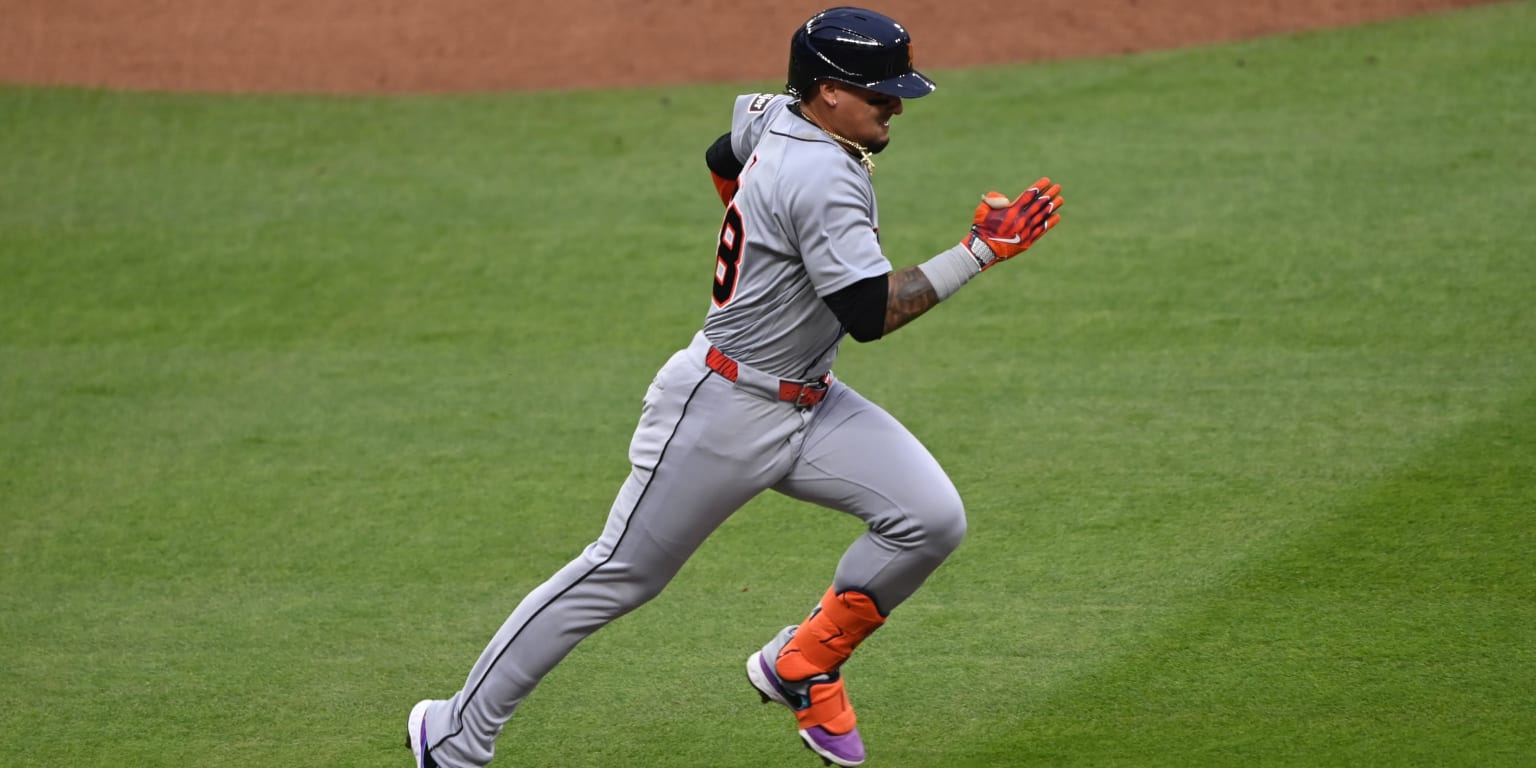
Javier Báez’s injury in the fifth inning creates a more complex structural void. After catching a cleat during a slide at first base, Báez’s subsequent MRI requirement suggests a potential high-grade strain or structural damage. His absence removes a high-ceiling defensive anchor at shortstop and eliminates a key contingency option for the outfield. With the roster already thin due to previous injuries to Parker Meadows and others, Detroit’s lack of redundancy at premium positions limits their ability to execute late-game defensive substitutions.
Situational Hitting and Offensive Stagnation
Beyond the physical attrition, Detroit’s 5-2 defeat was exacerbated by a failure in run-creation efficiency. Finishing 0-for-5 with runners in scoring position (RISP) highlights a breakdown in situational hitting. This offensive stagnation prevented the Tigers from capitalizing on six hits and five walks, placing unsustainable pressure on a pitching staff already grappling with Mize’s early departure. The Braves’ ability to exploit execution errors, specifically middle-market pitches to Mike Yastrzemski and Ronald Acuña Jr., further illustrated the narrow margin for error when facing elite competition.
Management of Long-Term Asset Health
The Tigers’ front office now enters a period of diagnostic uncertainty. The transition from initial X-rays to advanced imaging for Báez indicates a need to assess soft-tissue integrity that standard scans cannot detect. Strategic decision-making must now balance immediate competitive needs against the long-term health of these assets. Whether the club opts for internal promotions or tactical roster shifts, the focus remains on maintaining defensive cohesion while seeking a spark to rejuvenate an inconsistent offensive lineup.