Evidentiary Foundations and Procedural Documentation
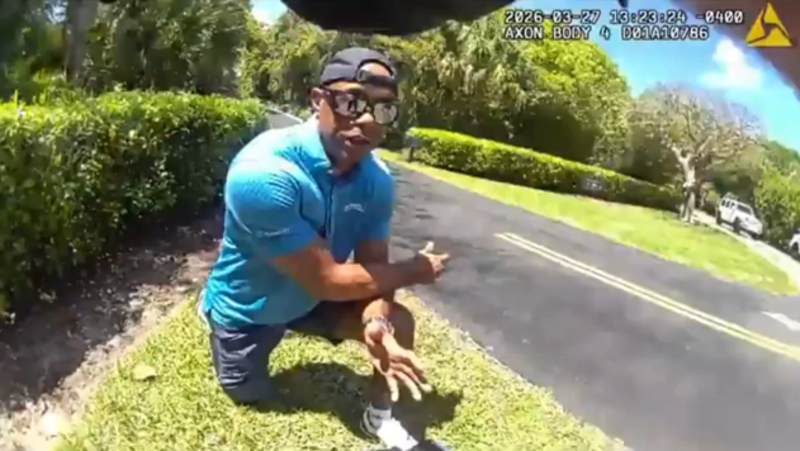
The Martin County Sheriff’s Office release of body camera footage serves as the primary evidentiary record in the Tiger Woods case. This footage provides an objective interaction history, crucial for both prosecution and defense. Legal analysts note that while the prosecution scrutinizes these visuals for signs of impairment, defense teams utilize the recordings to measure the subject’s compliance and interaction demeanor.
Operational Evidence Collection
Standardized administrative procedures included the inventory of personal items, notably two pills recovered during the encounter. This procedural adherence is standard in DUI investigations where substances are suspected to have inhibited motor skills. By converting physical items into formal evidence, the legal process establishes a verifiable baseline, moving the case beyond anecdotal observation into a rigorous evidentiary framework.
Celebrity, Privacy, and Public Accountability
The dissemination of this footage has catalyzed a discourse on the boundary between celebrity privacy and public safety. Media commentary has highlighted the inherent tension: public figures face heightened scrutiny when personal conduct poses potential risks to public safety. This shift in discourse emphasizes systemic consequences over individual narratives, reflecting how institutional media platforms now address the conduct of high-profile entities.
Strategic Mitigation of Reputational Risk
The decision to pursue treatment following legal incidents represents a common strategic pivot for high-net-worth individuals. By framing a career hiatus as a commitment to recovery, the subject shifts the public narrative from legal culpability to institutional health management. This maneuver is essential for maintaining brand equity, which remains highly sensitive to public perception and contractual obligations in the professional sports sector.
Legal Dynamics and Adjudication
The plea of not guilty regarding DUI and property damage charges is a standard maneuver allowing counsel to challenge the state’s case. The reported refusal to submit to chemical testing adds a layer of administrative complexity; such refusals often trigger independent regulatory consequences separate from the criminal proceedings, further complicating the defense strategy.
The Role of Juror Perception
Adjudication will likely depend on the interpretation of the body camera evidence. Jurors must decouple the subject’s celebrity status from the recorded facts. The demeanor displayed in the footage acts as a proxy for the subject’s mental state, ensuring the trial process centers on documented evidence rather than external reputation.
Industry-Wide Institutional Impact
For the sports industry, incidents involving elite athletes threaten sponsorship stability and brand alignment. Organizations must navigate contractual obligations while mitigating the reputational fallout of an athlete’s personal conduct. This case serves as a benchmark for how modern entities must implement rigorous risk management and transparency protocols when their representatives face public crises.