The Efficiency of Emerging Talent
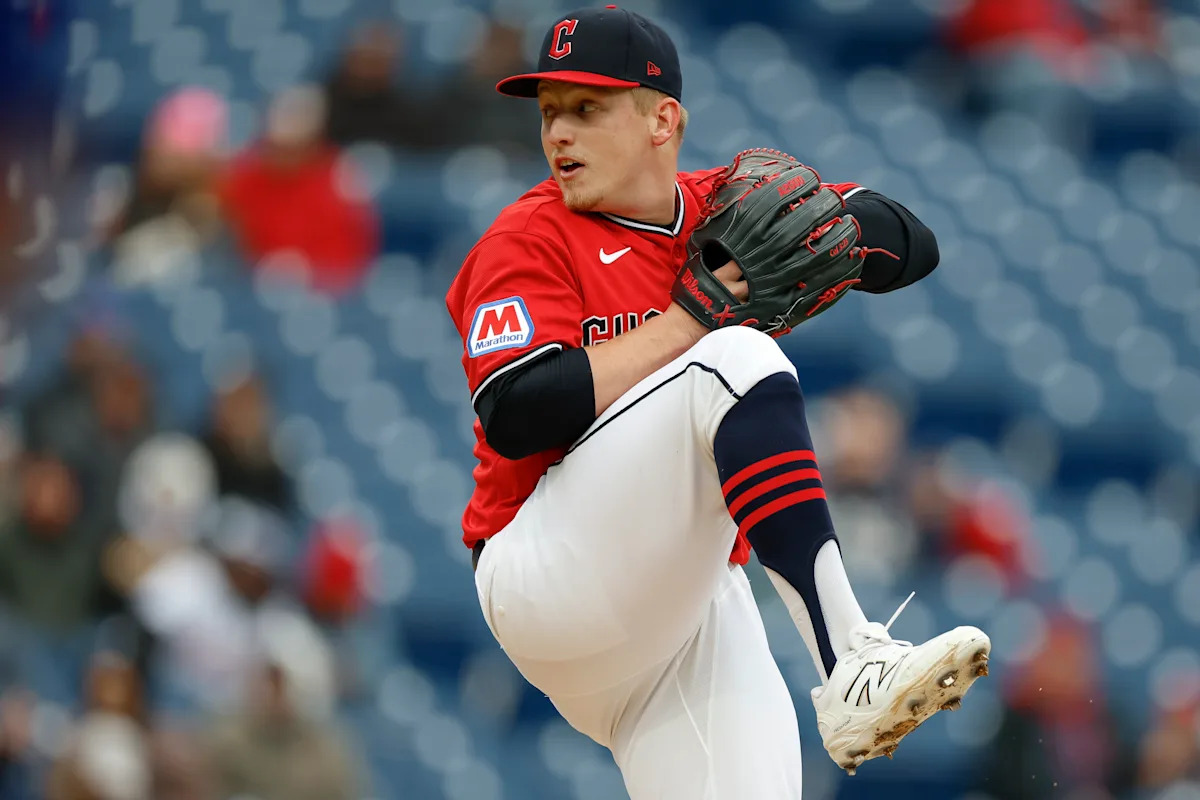
The 2026 fantasy baseball landscape rewards managers who exploit the disconnect between traditional market valuation and underlying performance data. Cleveland Guardians pitcher Parker Messick serves as the definitive case study for this inefficiency. Despite posting a stellar 0.82 ERA and 0.91 WHIP over his first 11 innings, Messick remains widely available, overlooked by managers favoring established veterans over high-upside performers.
Analytical Drivers of Performance
Messick’s early-season success is not a statistical fluke. His strikeout rate has surged to 27.5%, up significantly from 23% in 2025, while his average fastball velocity has climbed to 93.5 mph from 92.7 mph. These indicators suggest a tangible improvement in his pitching profile. His ability to stifle elite lineups like the Los Angeles Dodgers and Chicago Cubs confirms that his current production is viable under high-leverage conditions.
Institutional Context and Strategic Acquisition
The Guardians possess a track record of maximizing pitching talent, yet the broader fantasy market has been slow to adjust, keeping his roster rate near 46%. Informed managers must weigh his 2025 debut—a 2.72 ERA over 39.2 innings—against these 2026 gains. His upcoming start against the Atlanta Braves serves as the ultimate diagnostic test to validate his role as a long-term rotation anchor.
Market Inefficiencies and Waiver Wire Logic
Fantasy markets are often prone to inertia, prioritizing narrative-driven rankings over real-time performance shifts. This creates distinct windows for aggressive roster construction. Similarly, pitchers like Kyle Harrison—boasting a 2.61 ERA and a 14:3 strikeout-to-walk ratio—remain undervalued, proving that the market frequently ignores superior efficiency metrics in favor of traditional, lower-upside commodities.
Data-Driven Roster Optimization
Successful management requires transcending superficial metrics like stadium environment. For instance, while high-offense venues—such as those encountered by pitchers in Sacramento—create noise, the underlying skill set remains the primary signal for sustainable success. Managers who filter for velocity gains and strikeout rate improvements, rather than relying on consensus rankings, gain a structural advantage. As the 2026 season progresses, the ability to discern this ‘signal’ from statistical noise will be the primary driver of championship-caliber roster management.