Cardinals Secure Series Opener Amidst Red Sox Offensive Woes
The Boston Red Sox’s early-season momentum stalled with a 3-2 defeat to the St. Louis Cardinals, underscoring persistent offensive challenges. This loss, following a series win against the Brewers, highlights Boston’s consistent struggle to generate offense, evidenced by their fourth game with five or fewer hits in the initial thirteen contests.
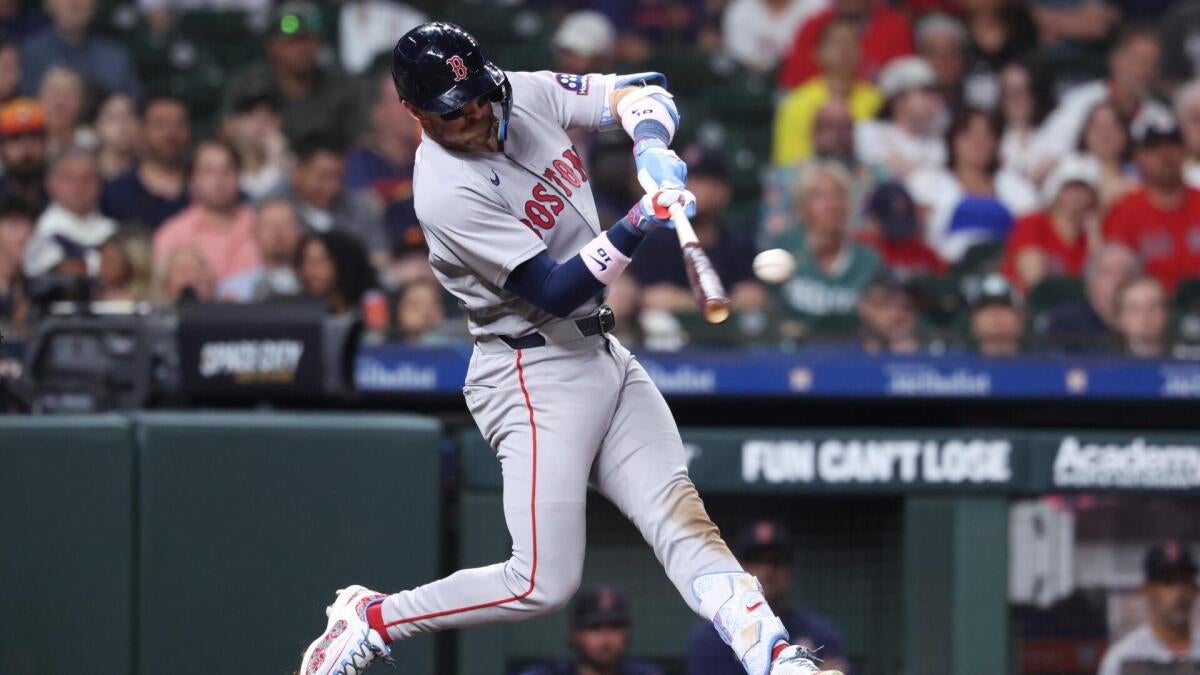
Wilyer Abreu remains a bright spot for Boston, achieving his seventh multi-hit performance in 13 games with a 2-for-4 outing. However, the team’s inability to capitalize on scoring opportunities, exemplified by a 1-for-6 performance with runners in scoring position, drew criticism from manager Alex Cora, who emphasized the need for improved offensive execution.
First baseman Willson Contreras’s return to St. Louis was challenging, as he went 0-for-4 with two strikeouts. Contreras, who posted a .261 batting average with 55 home runs over his last three seasons with the Cardinals, reflected on his tenure, highlighting his commitment during his time with the franchise.
Pitching Matchup and Betting Outlook
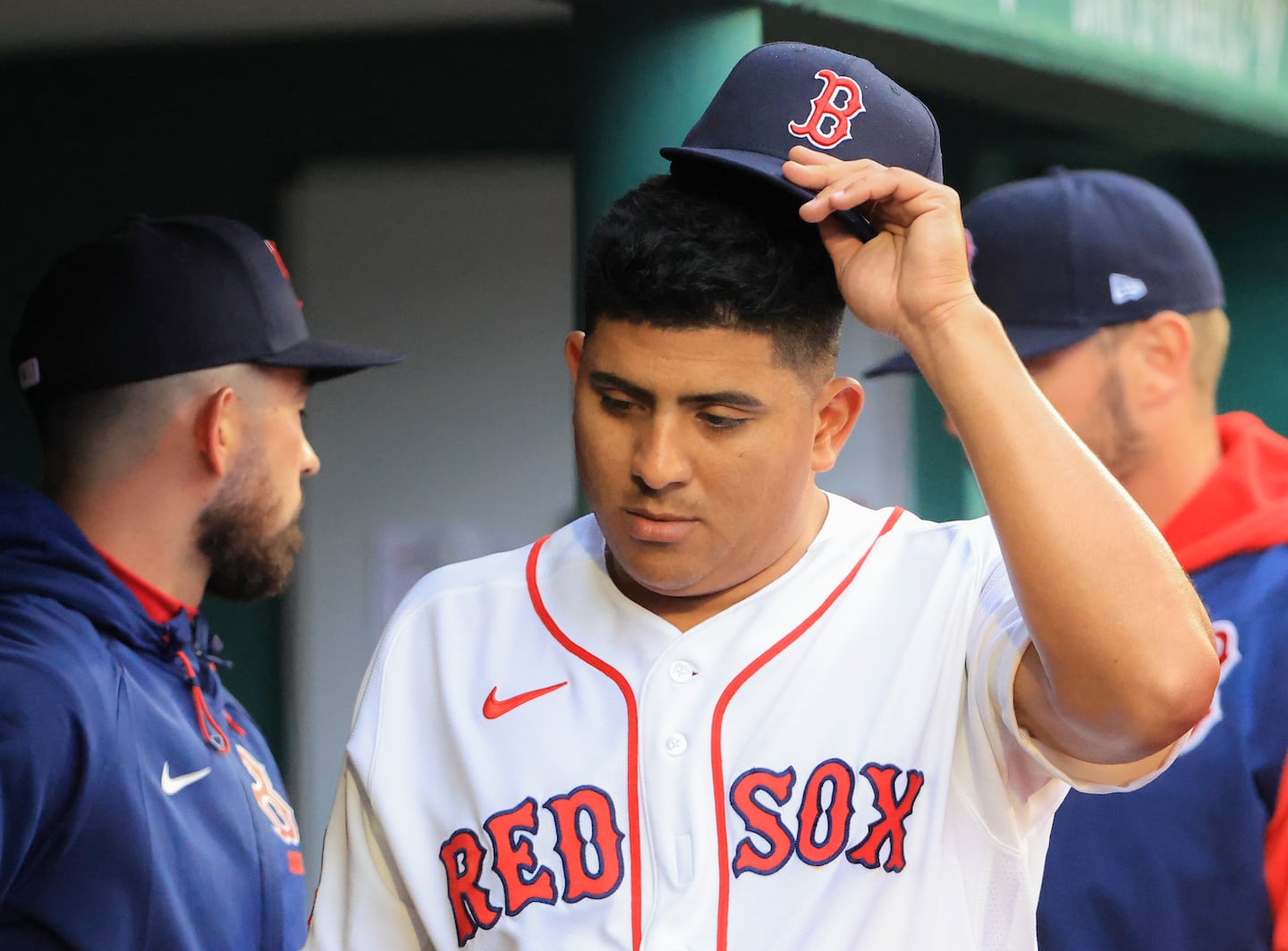
Saturday’s game features Boston’s Ranger Suarez (0-1, 8.64 ERA) against St. Louis’s Kyle Leahy (1-1, 5.40 ERA). SportsLine’s predictive model, which simulated the game 10,000 times, favors Boston at -140 with an over/under of 8 runs.
The Cardinals enter the game with an 8-5 record and a three-game winning streak, exceeding early season expectations. Conversely, the Red Sox have stumbled to a 4-9 start, indicating a divergence in team performance and strategic execution.
Key Moments and Strategic Implications
Dustin May delivered a strong six-inning performance for the Cardinals, allowing only two runs on four hits with four strikeouts. The Cardinals’ offense was sparked by timely hitting, including a sacrifice fly from Victor Scott II and José Fermín’s go-ahead sacrifice fly in the fifth.
Boston’s runs came from Masataka Yoshida’s RBI groundout and Trevor Story’s steal of home during a double steal with Marcelo Mayer. These offensive bursts, however, were insufficient to overcome the Cardinals’ consistent scoring, highlighting Boston’s critical need to convert opportunities into more runs.
Zach Kelly (0-1) took the loss for Boston, allowing two runs in two innings. Riley O’Brien secured his fourth save for St. Louis with a 1-2-3 ninth inning.
Competitive Landscape and Performance Trends
The Cardinals’ early success positions them as a surprising contender in the NL Central, demonstrating strong fundamental play and effective strategic management in winning close games. Their ability to execute under pressure suggests a well-drilled team.
Conversely, the Red Sox’s 4-9 start raises questions about their roster construction and strategic approach. The recurring theme of offensive inefficiency, particularly with runners in scoring position, points to potential systemic issues requiring urgent recalibration.
This interleague series between storied franchises serves as a critical gauge of competitive standing. For Boston, overcoming early-season struggles is paramount to establishing credibility, while for St. Louis, continued strong performance could signal a sustained challenge for playoff contention.
Player Performance and Franchise Context
Wilyer Abreu’s consistent hitting provides a crucial offensive anchor for the Red Sox, but his individual success is not yet translating into consistent team victories. Trevor Story’s aggressive baserunning, including the steal of home, showcases individual brilliance but also highlights the team’s reliance on unconventional plays.
Willson Contreras’s performance in his return to St. Louis offers a narrative of a player seeking to prove his value after an offseason move. His reflections on his past contributions to the Cardinals add context to the competitive matchup.
The Cardinals’ ability to integrate new talent and maintain competitiveness, seen with contributions from players like Victor Scott II, speaks to their organizational depth. This contrasts with the Red Sox’s current challenges in finding consistent offensive production across their lineup.
Strategic Adjustments and Future Implications
The Red Sox’s persistent offensive struggles necessitate a strategic review of their lineup construction and hitting approaches. Manager Alex Cora’s comments indicate awareness of these deficiencies, but the team’s inability to rectify them quickly suggests deeper-seated issues requiring significant adjustments.
For the Cardinals, maintaining their current trajectory requires continued strong pitching performances and timely hitting. Their success in grinding out close wins demonstrates a resilience that could be a significant asset as the season progresses.
The upcoming games are critical. For Boston, a strong showing is essential to reverse negative momentum. For St. Louis, continuing to win against a high-profile opponent solidifies their early-season success and enhances their reputation.
Market and Media Implications
The performance of marquee franchises like the Red Sox and Cardinals garners significant media attention and influences fan engagement and betting markets. The Red Sox’s struggles could lead to increased scrutiny of team management and player performance, impacting brand value.
Conversely, the Cardinals’ exceeding expectations and winning streak could generate positive media narratives and increased fan interest, boosting ticket sales and merchandise revenue. This dynamic highlights how early-season performance shapes public perception and financial outcomes.
The outcomes of these early games have a tangible impact on sports media coverage, influencing broadcast schedules and analytical discussions. The contrast between Boston’s struggles and St. Louis’s success provides a compelling storyline.
Institutional Performance and Long-Term Strategy
The Red Sox’s current performance raises questions about the long-term strategic vision of their front office and player development models. Sustained underperformance could necessitate significant strategic shifts.
The Cardinals’ early success suggests a well-functioning organizational structure that consistently identifies and develops talent while making astute strategic decisions, allowing them to remain competitive.
The contrast in immediate performance underscores the complex interplay of talent, strategy, and execution. The ability of each organization to adapt will be a critical determinant of their long-term success.
Player Development and Roster Management
The Red Sox’s reliance on individual efforts points to potential gaps in offensive depth and roster balance, potentially compelling a re-evaluation of player development and strategic acquisitions.
The Cardinals’ ability to secure a series-opening win with contributions from various players indicates a robust system for player integration and performance maximization, allowing them to maintain a competitive edge through collective effort.
The differing approaches to roster management and player development are evident. The Red Sox face the challenge of unlocking greater offensive potential, while the Cardinals leverage organizational depth for consistent results.
Capital Allocation and Performance Leverage
Financial implications are significant. Prolonged slumps for the Red Sox could affect their ability to attract top free agents, influencing future capital allocation.
The Cardinals’ strong start enhances their marketability, potentially leading to increased investment. This positive momentum can attract further capital, reinforcing their competitive position.
The Red Sox must demonstrate performance leverage by converting opportunities into wins, thereby justifying current capital investments. The Cardinals are benefiting from success begetting further investment.
Media Narrative and Public Perception
The media narrative surrounding the Red Sox is currently dominated by offensive struggles, creating pressure on the team to deliver results and potentially impacting fan engagement and brand image.
In contrast, the Cardinals benefit from a positive media narrative centered on their surprising success, which can enhance their public profile and fan loyalty, translating into increased media rights value.
The divergent narratives underscore the immediate impact of on-field performance on public perception. For the Red Sox, a shift requires tangible improvement in offensive production.
Operational Efficiency and Strategic Execution
The Red Sox’s offensive inefficiency suggests potential issues with situational hitting, pitch selection, or overall offensive strategy. Addressing these operational shortcomings is critical to securing more victories.
The Cardinals’ ability to consistently score runs and win close games points to higher operational efficiency and strategic execution, demonstrating a well-drilled team capable of maximizing resources.
The contrast highlights the importance of seamless execution. For the Red Sox, improving operational efficiency is a prerequisite for consistent on-field success.
Competitive Positioning and League Dynamics
The Cardinals’ early success has subtly shifted their competitive positioning, potentially elevating them to a legitimate contender. This rise can influence how other teams strategize against them and how league analysts perceive their prospects.
The Red Sox’s slow start places them in a more precarious competitive position, necessitating a significant turnaround to avoid being left behind by divisional rivals. Their current standing could impact their ability to make impactful trades.
The dynamic exemplifies the fluid nature of competitive positioning. The Cardinals are leveraging early performance to gain ground, while the Red Sox face the immediate challenge of re-establishing competitive credibility.
Stakeholder Impact and Performance Leverage
For Red Sox stakeholders, the current performance demands strategic intervention. The leverage of performance is currently with the Cardinals, who are capitalizing on early success to build momentum.
Cardinals stakeholders are likely experiencing increased confidence, as their team is exceeding expectations and demonstrating capacity for sustained success. This positive reinforcement strengthens fan loyalty and investor confidence.
The divergent stakeholder experiences underscore the direct link between on-field performance and satisfaction. The Red Sox must generate positive performance leverage, while the Cardinals benefit from a strong return on investment.
Downstream Effects on Market Perceptions and Media Coverage
The Red Sox’s struggles could lead to a recalibration of market perceptions regarding their championship aspirations, affecting betting odds and future valuations. Media coverage may shift to focus on shortcomings.
The Cardinals’ strong start could enhance their market perception as a resilient team, attracting positive media attention and influencing future investment decisions. This positive trajectory can create a more favorable environment for sponsorship.
The contrasting trajectories are shaping market perceptions and media coverage, demonstrating how early-season results have far-reaching implications. The Red Sox face the imperative to reverse this trend.
Strategic Decisions and Incentive Structures
The Red Sox’s situation may necessitate difficult strategic decisions regarding player utilization and trade strategies. The incentive structure for players and coaches is influenced by the need to achieve wins.
The Cardinals’ success likely stems from effective strategic decisions and an incentive structure that rewards consistent performance and team cohesion, motivating players towards collective goals.
The interplay of strategy and incentives is critical. The Red Sox must align choices and frameworks to drive improvements, while the Cardinals appear to have found a successful equilibrium.
Capital Movement and Performance Leverage
Financial performance is directly linked to on-field success, influencing capital movement. The Red Sox’s current performance may limit their ability to attract new capital without demonstrating a clear path to improvement.
The Cardinals’ strong start provides significant performance leverage, potentially enabling them to secure more favorable terms in future capital investments. This positive momentum can attract further financial resources.
The Red Sox must demonstrate tangible improvements to justify and attract capital. The Cardinals are benefiting from a positive feedback loop where success begets further investment.
Operational Imperatives and Competitive Edge
For the Red Sox, the immediate operational imperative is to address offensive deficiencies and establish a more consistent scoring rhythm. Failure to do so will erode their competitive edge.
The Cardinals appear to have established a solid operational foundation that allows them to consistently compete and win close games, providing a distinct competitive edge.
The divergence highlights the critical role of execution. The Red Sox must prioritize operational improvements to regain their standing, while the Cardinals demonstrate how strong operational execution translates into sustained competitive success.
Institutional Strategy and Media Context
The Red Sox’s institutional strategy must now contend with an underperforming team, potentially requiring a reassessment of long-term plans. The media context will likely intensify scrutiny, demanding clear communication.
The Cardinals’ institutional strategy benefits from a more favorable media context that highlights their successes, bolstering team morale and public support.
The institutional strategies of both clubs are tested by current performance levels, with the media amplifying both successes and failures. The Red Sox face the challenge of navigating a critical media environment while seeking strategic adjustments.
Structural Implications and Future Outlook
The Red Sox’s current trajectory raises questions about their structural capacity to compete, potentially signaling a need for significant organizational recalibration. Overcoming these challenges will shape their future outlook.
The Cardinals’ strong start suggests a structurally sound organization capable of sustained performance, potentially positioning them for a more significant role in league dynamics and altering competitive balance.
The structural implications of these early-season performances are profound, influencing the immediate competitive landscape and the long-term strategic direction of both franchises.