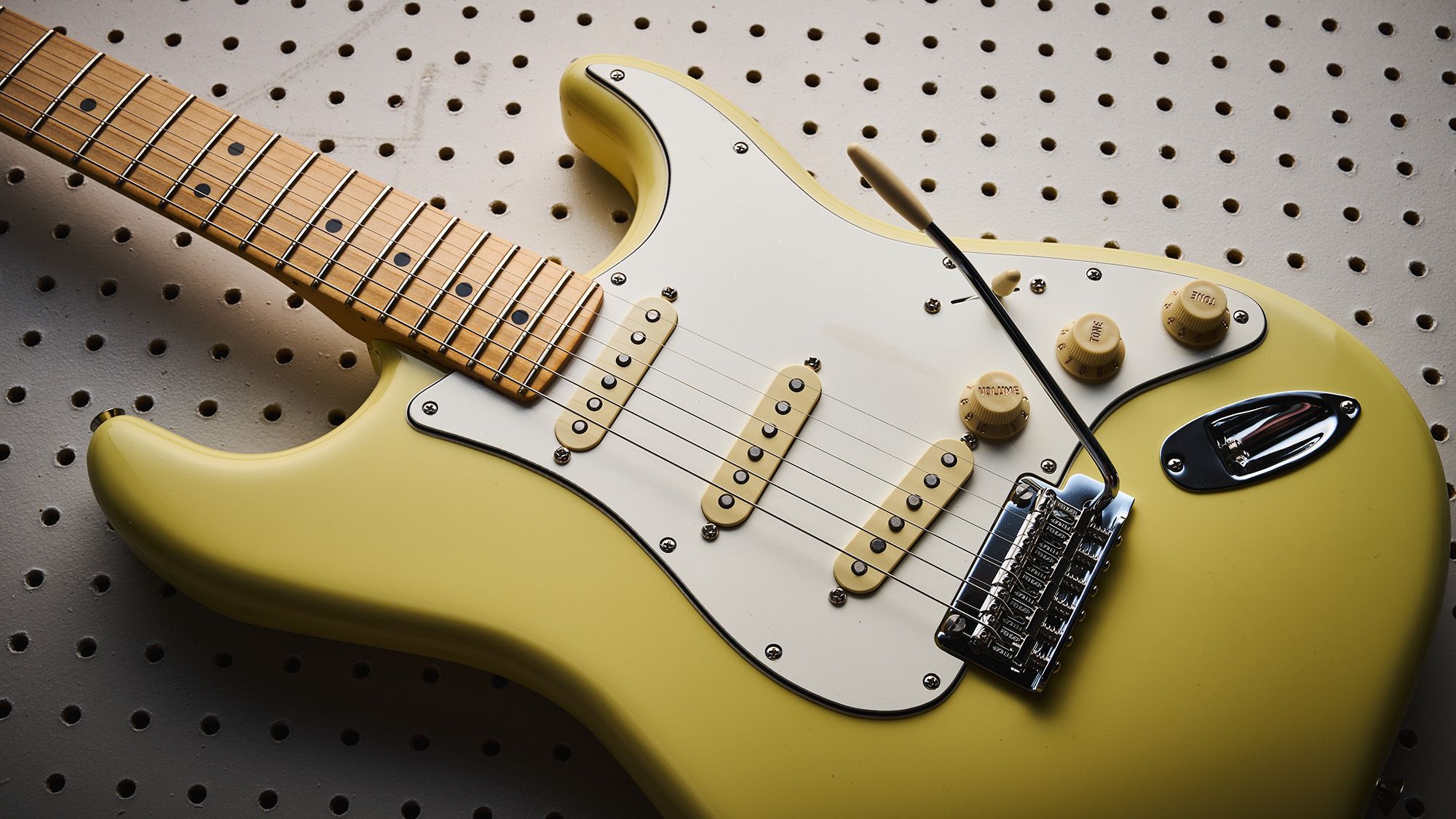
Thomann Challenges Fender in Landmark IP Lawsuit: Industry Competition at Stake
Thomann, the world’s largest music retailer, has formally initiated a landmark legal challenge against Fender, escalating the contentious dispute over Stratocaster-style guitar designs. This lawsuit directly confronts Fender’s recent aggressive campaign of cease-and-desist demands issued to manufacturers, distributors, and retailers industry-wide. Representing a strategic counterpunch from a major market player, Thomann’s action signals a fundamental challenge to intellectual property enforcement tactics and the very boundaries of design replication and competitive practices within the musical instrument sector, with potential implications for industry structure and innovation.
The Catalyst: Fender’s Aggressive Cease-and-Desist Campaign and the Düsseldorf Default Judgment
Fender’s enforcement campaign, initiated in May 2026, targeted a broad spectrum of entities producing and selling S-style guitars, leveraging copyright infringement claims related to the iconic Stratocaster design. These cease-and-desist letters, disseminated via Bird & Bird, derive their immediate legal force from a December 2025 default judgment by the Düsseldorf Regional Court. This procedural victory afforded Fender a critical advantage, enabling widespread issuance of enforcement notices across Europe and the United States. The operational ramifications for affected businesses have been severe: manufacturers face production halts and costly redesigns, while distributors and retailers contend with inventory freezes and supply chain disruptions, severely impeding normal commerce and potentially leading to significant financial losses.
Thomann’s Strategic Advocacy: Defending Industry Diversity and Competition
Thomann frames its lawsuit not merely as a defense of its own in-house brand, Harley Benton – also a target of Fender’s demands – but explicitly as an advocate for the ‘entire guitar industry.’ This strategic positioning, leveraging Thomann’s substantial market leadership, transforms a bilateral dispute into a collective challenge on behalf of prominent brands, smaller manufacturers, and custom shop innovators. Their public statement underscores a belief that the issues transcend a single legal disagreement, fundamentally questioning market diversity, innovation, and competition. By galvanizing support and potentially unifying a previously fragmented industry response, Thomann aims to reshape power dynamics within the musical instrument ecosystem.
Implications for Stakeholders and Market Dynamics
Beyond the immediate litigants, this legal environment creates significant and systemic exposure across the industry. Manufacturers of S-style guitars, irrespective of scale, face profound uncertainty regarding product lines and potential legal liabilities. Distributors and retailers grapple with supply chain disruptions, potential stock impoundments, and their own legal risks, directly threatening operational continuity. Ultimately, consumers could face reduced availability of popular guitar styles, increased prices driven by compliance costs, and a diminished scope for innovative products. This dynamic risks a market shift towards consolidation, where fewer, larger players dictate design aesthetics.
Fender’s Strategic Imperative vs. Reputational Risks
Fender’s aggressive enforcement underscores a clear strategic imperative: protecting core intellectual property and maintaining market exclusivity for its iconic designs. While common for brands safeguarding heritage and competitive advantage, this widespread cease-and-desist campaign carries substantial reputational risks. Asserting legal rights, while valid, can simultaneously be perceived as stifling competition and alienating musicians and industry partners. Thomann’s legal challenge compels Fender to publicly defend its strategy in what could be a protracted battle, bearing financial implications and impacting brand perception. The critical strategic consideration becomes balancing robust IP protection with fostering industry goodwill.
The Broader Legal Landscape and Potential for Precedent
This lawsuit fundamentally tests the boundaries of intellectual property law in industrial design, particularly where aesthetic elements become ubiquitous. It necessitates a detailed judicial examination to delineate protectable IP from generic design features that, through widespread adoption, may have entered the public domain. The proceedings offer an institutional platform for a comprehensive, merits-based review of Fender’s copyright claims, moving decisively beyond the default judgment’s procedural aspects. This will involve expert testimony, intricate design analysis, and robust arguments concerning the scope and validity of asserted rights. The outcome promises to set significant legal precedents not only for the music instrument industry but potentially for other sectors confronting similar challenges in design protection and market competition, critically shaping commercial practices and innovation incentives.
Call for Cooperative Partnership and Thomann’s Calculated Move
Thomann’s public statement notably appeals to Fender to cease its demands and ‘return to a fair, cooperative partnership.’ This phrasing subtly critiques Fender’s current actions as a departure from historical industry collaboration, emphasizing the interdependent nature of the music instrument sector. Disrupting these symbiotic manufacturer-distributor-retailer relationships through aggressive legal tactics risks cascading negative effects across the entire ecosystem. This call for cooperation suggests the viability of alternative dispute resolution or a more nuanced IP management strategy that balances protection with market health and vibrancy, framing the legal battle as a struggle for the industry’s collective future rather than mere individual gain. For a retailer of Thomann’s magnitude, initiating a lawsuit against a major supplier like Fender is a profoundly calculated risk, entailing substantial legal costs, potential supply chain disruptions, and direct impacts on business operations. The fact that Thomann’s private label, Harley Benton, was directly targeted provides a clear financial and operational incentive, as protecting these products is vital for competitive strategy and profit margins. Beyond self-defense, Thomann’s positioning as an advocate for the ‘entire industry’ strategically strengthens its relationships with other manufacturers and smaller brands, enhancing its market stature as a trusted partner and yielding long-term competitive advantages.
Industry Restructuring: The High Stakes of the Legal Outcome
The potential for legal precedent and subsequent industry restructuring is substantial. Should Thomann successfully challenge Fender’s claims, it could significantly limit the scope of IP enforcement for iconic designs that have spawned countless variations, thereby empowering smaller manufacturers and fostering greater design freedom. Conversely, a favorable ruling for Fender could embolden rights holders across diverse industries to aggressively enforce intellectual property, potentially accelerating market consolidation and reducing product diversity. This legal battle thus represents a critical juncture for the music instrument market, poised to redefine competitive dynamics, influence product development strategies, and reshape the enduring relationship between design innovation and intellectual property protection for decades to come.