The FIFA World Cup 2026 represents a highly complex convergence of global capital, transnational governance, and athletic evolution. As the tournament unfolds across North American host cities, the operational strategies executed by organizers, broadcasters, and municipal authorities expose the structural realities of modern mega-events. From the uncompromising commercial exclusivity mandates of global sports governing bodies to the deliberate alignment of match schedules with historic milestones, the event serves as a critical case study in how corporate hegemony and national narratives intersect on the global stage.
Geopolitical Resonance and Historical Alignment in Group C
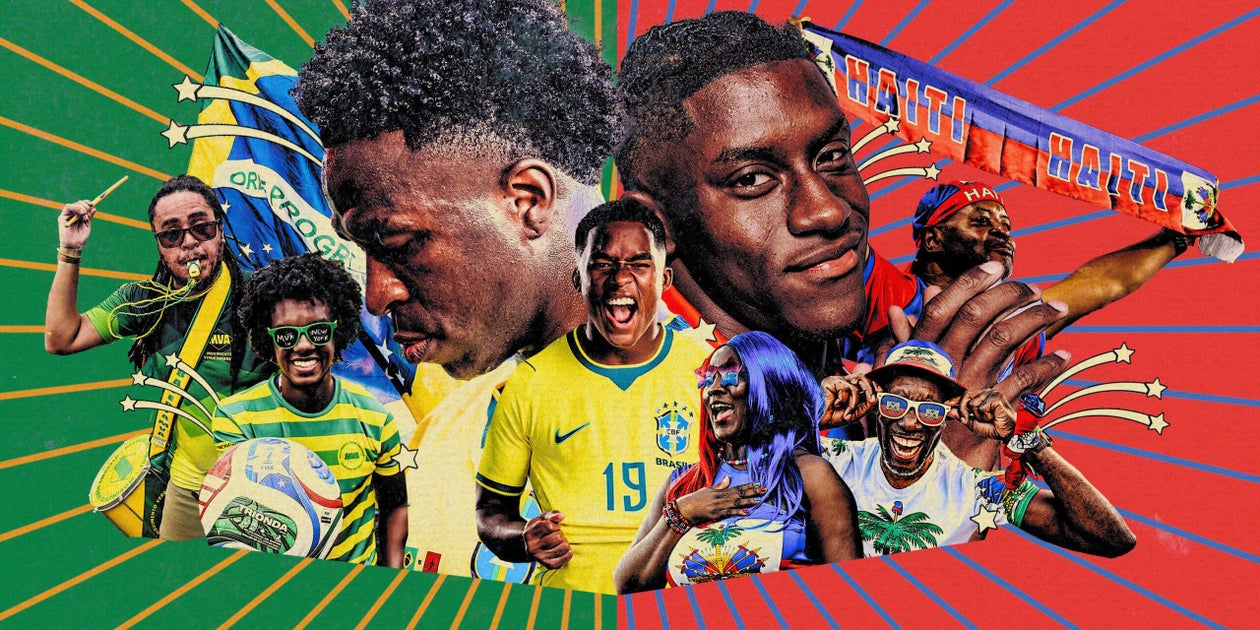
The scheduling of the Group C fixture between Brazil and Haiti on June 19—observed in the United States as Juneteenth—embeds deep historical narratives within a highly commercialized athletic frame. Brazil, home to the largest population of African descent outside Africa, represents a profound demographic connection to the history and legacy of the transatlantic slave trade. Conversely, Haiti occupies a unique position in global history as the first sovereign Black republic, having secured its independence from France in 1804 following a historic anti-colonial revolution.
This match, occurring on a federal holiday dedicated to emancipation, elevates a standard group-stage fixture into a symbolic forum for historical reflection and cultural diplomacy. For the global African diaspora, the event transcends mere sports entertainment, serving as a prominent platform where the legacies of colonialism, sovereignty, and racial identity are projected to a global audience. The intersection of these two nations on this specific date illustrates how contemporary sporting spectacles can serve as unintended conduits for historical memory and geopolitical expression.
Furthermore, this fixture marks Haiti’s return to the Men’s World Cup stage after a fifty-year absence, adding a compelling layer of sporting resilience to the historical backdrop. This long-awaited qualification mobilizes diaspora communities far beyond the island’s borders, notably within major metropolitan corridors of the host nation. The match operates as a mechanism for cultural visibility, allowing historically marginalized narratives to claim space within a hyper-commercialized media ecosystem.
Commercial Exclusivity and Stadium Branding Mandates
The operational execution of the tournament in Philadelphia demonstrates the rigid corporate frameworks enforced by international sports federations. For the duration of the tournament, Lincoln Financial Field has been officially renamed “Philadelphia Stadium” to comply with strict intellectual property laws and clean-stadium requirements. This temporary rebranding is a non-negotiable operational mandate designed to protect the exclusive marketing rights of official tournament partners, preventing commercial conflict with local, venue-specific naming-rights sponsors.
The financial and legal implications of these clean-stadium protocols are substantial for municipal hosts and venue operators. Local authorities must navigate complex contractual agreements that temporarily suspend long-term commercial relationships to accommodate global sponsors. This operational shift illustrates the absolute sovereignty that international sports organizations wield over local infrastructure during mega-events, prioritizing global corporate alignment over domestic commercial identities.
This structural dynamic highlights the tension between localized civic pride and the highly centralized, profit-driven governance of global sporting spectacles. While host cities assume substantial financial risks—investing heavily in public infrastructure and municipal security—the primary commercial windfalls are tightly controlled by the global governing body. The temporary renaming of local landmarks stands as a physical marker of this corporate occupation, where local identity is systematically standardized for a global broadcast audience.
Tactical Maturation of the USMNT
On the pitch, the United States Men’s National Team’s (USMNT) 2-0 victory over Australia in Seattle offers critical insights into the athletic and tactical development of the host nation’s soccer infrastructure. Playing before a capacity crowd of 66,925 at a highly charged venue, the American squad secured qualification for the knockout rounds despite the absence of star playmaker Christian Pulisic, who was sidelined with a calf injury. Winning a high-stakes match without its primary offensive catalyst demonstrates a level of tactical adaptability and squad depth that has historically eluded the program.
This victory marks the first time since 1930 that the U.S. men’s program has won two games in a single World Cup group stage, representing an important statistical milestone. The historical contrast highlights the long-term structural evolution of soccer in the United States, transitioning from a reliance on individual athletic anomalies to a more robust, system-oriented sporting model. The ability to generate offensive output and maintain defensive stability in high-pressure matches suggests that systemic investments in youth academies and domestic professional leagues are beginning to yield international competitive dividends.
For the technical staff, this performance provides invaluable data on squad resilience under tournament pressure. The tactical adjustments required to compensate for Pulisic’s absence indicate a maturing footballing philosophy that prioritizes collective structure over individual brilliance. This development is crucial for the program’s long-term global credibility, signaling to international competitors that the United States can sustain competitive excellence on the world stage.
Diaspora Mobilization as Cultural Diplomacy
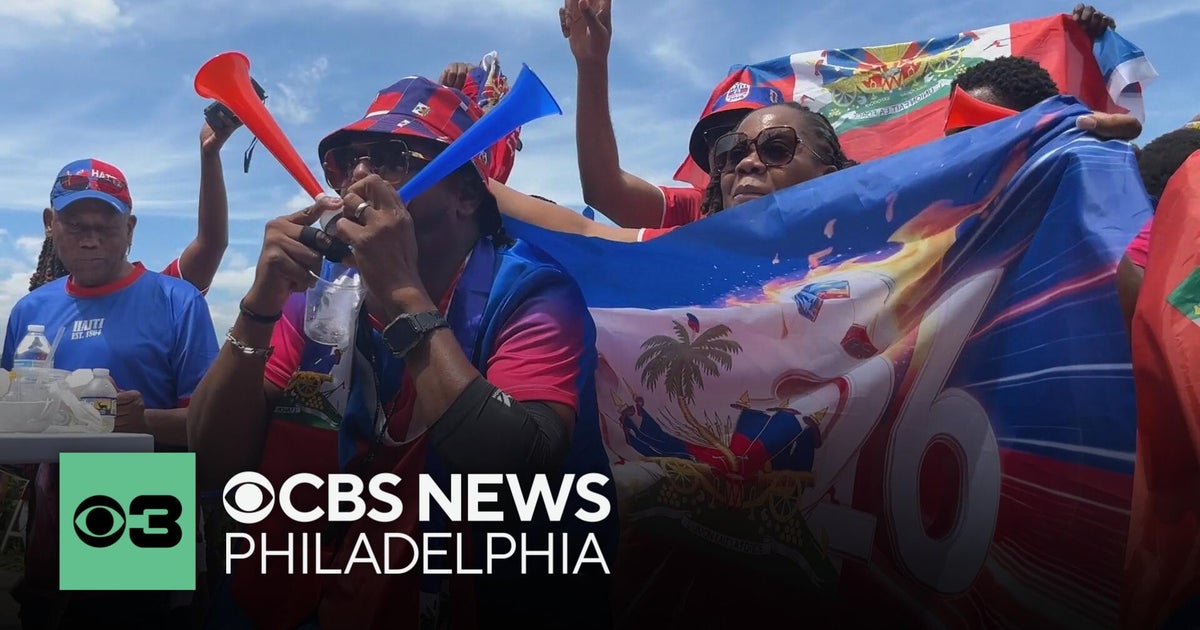
The presence of the Haitian national team in Philadelphia has triggered a massive mobilization of the local Haitian diaspora, transforming the sporting event into a vehicle for cultural diplomacy. For the large Haitian population residing in the Philadelphia metropolitan area, the match against soccer powerhouse Brazil represents an unprecedented opportunity to project national pride and cultural resilience. This grassroots mobilization demonstrates how immigrant communities leverage global sporting events to assert their civic presence and strengthen transnational ties.
The sociological impact of Haiti’s participation after five decades of absence is profound, particularly given the socio-political challenges the nation faces domestically. The national team serves as a powerful symbol of unity and perseverance, offering a counter-narrative to the often-one-dimensional media representation of the country. By gathering in large numbers to support their team, the diaspora in Philadelphia actively participates in a form of cultural diplomacy that challenges geopolitical stereotypes and fosters community cohesion.
This phenomenon also highlights the role of host cities as multicultural hubs capable of facilitating global dialogue through sport. The interactions between Brazilian and Haitian supporters in the lead-up to the match create a unique festive environment that enriches the civic fabric of Philadelphia. These cultural exchanges, while informal, contribute to the social legacy of the tournament, demonstrating that the value of hosting extends beyond economic metrics to encompass social integration and global mutual recognition.
Media Packaging and Broadcast Economics
The broadcasting strategies surrounding the tournament, particularly Fox’s coverage of the Brazil-Haiti match, reflect the sophisticated commercial packaging of modern sports media. Broadcasters do not merely transmit athletic contests; they actively curate narratives that align with cultural milestones to maximize viewership and advertising revenue. By framing the Group C match through the lens of Black history and the Juneteenth holiday, media networks tap into broader societal conversations, expanding their audience beyond traditional sports consumers.
This narrative-driven broadcasting model is essential for sustaining high television ratings in a highly fragmented media landscape. The alignment of historic matches with national holidays creates prime-time viewing opportunities that advertisers are eager to exploit, driving up the commercial value of broadcast slots. The economic viability of sports broadcasting relies heavily on this ability to synthesize athletic drama with cultural relevance, turning a standard group-stage game into a highly anticipated media event.
Strategic Outlook for Host Cities
As Philadelphia prepares to host a total of five group-stage matches and a highly coveted Round of 16 game on July 4, the city faces significant logistical and operational challenges. The coordination of public transportation, security protocols, and hospitality services during a multi-week international event requires unprecedented cooperation between municipal agencies and tournament organizers. The success of these operations is critical for the city’s global reputation, impacting its ability to attract future international events and tourism.
The scheduling of a Round of 16 match on July 4, the United States’ Independence Day, presents a unique operational and symbolic challenge for Philadelphia, the birthplace of the nation. This alignment will require the city to manage overlapping public celebrations, placing immense strain on local security and transport infrastructure. The strategic management of these concurrent events will serve as an ultimate test of the city’s municipal capacity, demonstrating whether its infrastructure can handle the demands of global tourism alongside historic national celebrations.
Ultimately, the legacy of the 2026 World Cup for host cities like Philadelphia and Seattle will be measured by their ability to balance these intense operational demands with long-term community benefits. While the immediate economic impact is often the primary focus of local governments, the true value lies in the structural upgrades to public infrastructure, the strengthening of community cohesion, and the global visibility gained during the tournament. By successfully navigating the complex commercial, cultural, and athletic dimensions of the event, these cities can establish themselves as premier destinations on the global stage.