
India enters the three-match T20I series against Zimbabwe at Harare Sports Club attempting to reverse a challenging run of form in the shortest international format. Since defending their T20 World Cup title in March, the squad has failed to secure a single victory in the format, a sequence encompassing a 0-2 series defeat against Ireland and a 0-4 series sweep against England.
Shreyas Iyer leads a youthful Indian traveling contingent featuring emerging talents like teenager Vaibhav Sooryavanshi. The touring side faces a Zimbabwean team captained by Sikandar Raza, who advanced his nation to the Super 8 stage of the T20 World Cup earlier in the year. Pre-match win probability models position India at an 85 percent chance of victory against Zimbabwe’s 15 percent.
Operational Challenges and Strategic Reset
The fixture marks a critical juncture for an Indian side seeking a winning formula following a difficult tour of the United Kingdom. Captain Shreyas Iyer noted that the preceding losses unified the dressing room through extensive strategic discussions focused on defining tactical requirements. For younger squad members experiencing international conditions for the first time, the speed of adaptation remains the primary performance determinant.
Competitive Dynamics at Harare Sports Club
Zimbabwe presents a distinct strategic test under Sikandar Raza, with a predicted lineup designed to pressure the visiting bowling attack. The tactical imperative for India involves translating squad discussions into execution on the pitch at Harare Sports Club. The toss holds significant tactical relevance given local pitch conditions and weather forecasts being evaluated by management teams.
Institutional Implications for the Touring Squad
The tour functions as a testing ground for squad depth and leadership resilience following high-profile setbacks. Consecutive losses place heightened psychological pressure on emerging players, making the leadership group’s ability to isolate the team from external scrutiny crucial for operational stability. Performance outcomes in these bilateral fixtures directly influence future squad selections and programmatic planning.
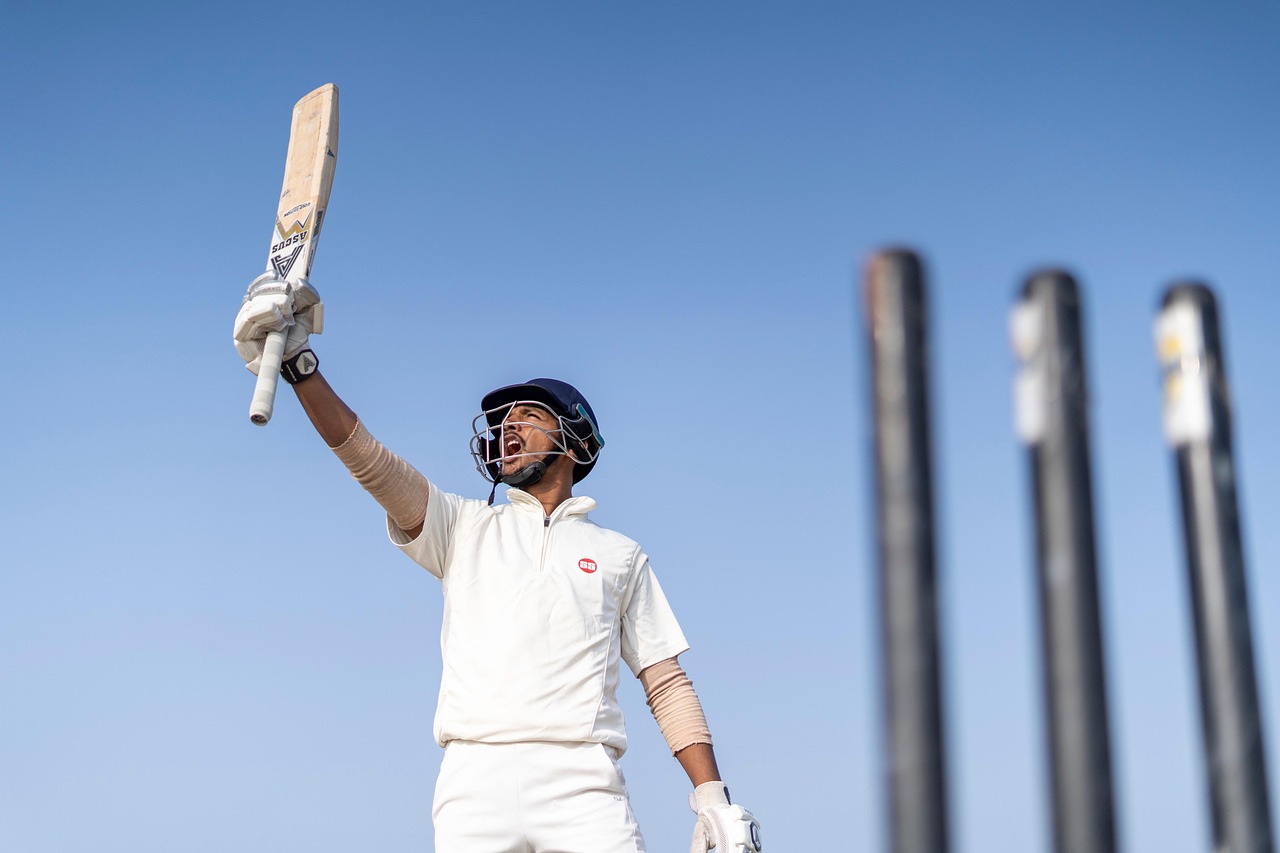
Cover photo by yogendras31 on Pixabay.