The Catalyst: Celebrity Advocacy as a Health Behavioral Driver
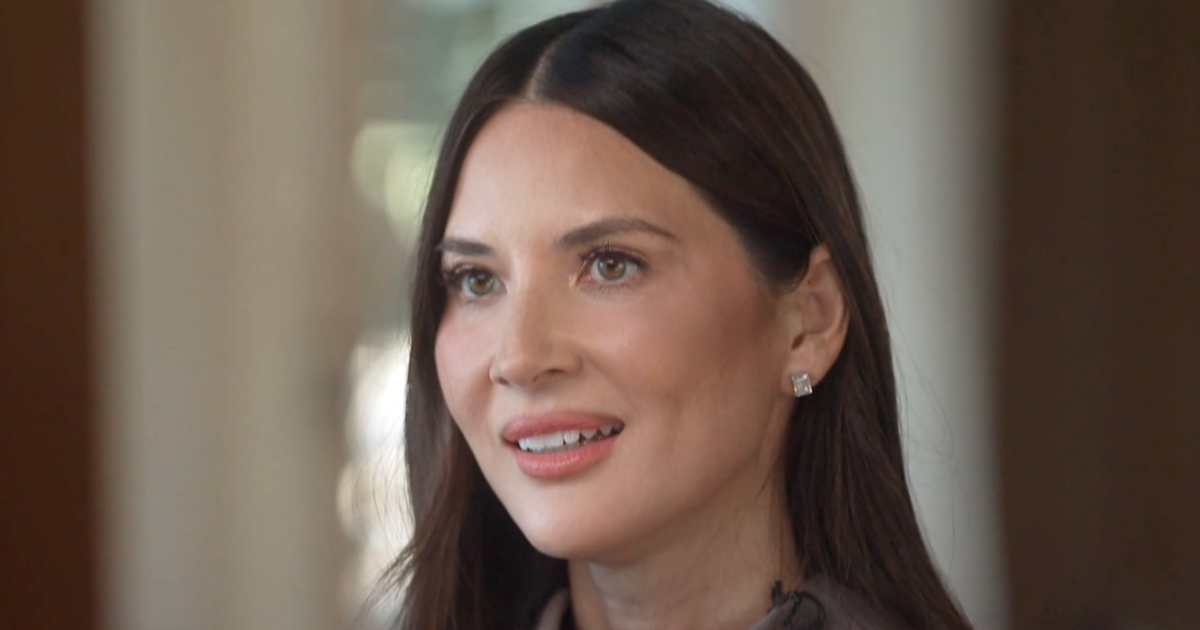
Olivia Munn’s disclosure of a Stage 1 breast cancer diagnosis—identified despite normal mammograms and no physical symptoms—has precipitated a paradigm shift in public health engagement. Her promotion of the Lifetime Risk Assessment tool resulted in a 4,000% increase in utilization, illustrating how high-profile personal narratives can bypass traditional institutional barriers to accelerate the adoption of preventative health technologies.
Clinical Implications: From Universal to Stratified Screening
The core of Munn’s case lies in her 37.3% risk score, which exceeded the 20% high-risk threshold for supplementary screening. This highlights a critical limitation in current universal screening models: the reliance on age-based mammography often fails to identify aggressive cancers in asymptomatic patients with clear imaging. Integrating personalized risk stratification tools into standard care allows for a more nuanced diagnostic pathway, utilizing MRI and ultrasound for those whom traditional methods might overlook.
Operational Macro-Trends and Systemic Strain
The sudden influx of risk-aware patients creates a complex operational challenge for the healthcare ecosystem. Diagnostic centers must now recalibrate resource allocation to manage a surge in follow-up consultations, genetic counseling, and advanced imaging. While this demand spike tests immediate capacity, it offers a long-term strategic advantage: shifting the healthcare burden from high-cost, late-stage reactive treatments to lower-cost, early-stage interventions.
The Economic Value Chain of Preventative Health
The widespread uptake of digital risk tools carries significant fiscal weight. For insurers, an immediate rise in diagnostic claims is offset by the actuarial benefits of early detection. For the health-tech sector, the success of the free online Lifetime Risk Assessment demonstrates a robust market for accessible, evidence-based digital diagnostic platforms that empower patient autonomy and reduce diagnostic delays.
Psychosocial Factors in the Clinical Journey
Beyond the clinical data, Munn’s journey emphasizes the vital role of the informal caregiving network. The involvement of her partner, John Mulaney, illustrates how emotional and logistical support systems directly influence patient resilience and treatment adherence. Integrating these psychosocial variables into the patient-care model is essential for a holistic approach to oncology recovery.
Future Outlook: Data Integration and Policy Reform
The ‘Munn Effect’ serves as a case study for future public health initiatives. By formalizing digital risk assessments within routine clinical practice, medical institutions can move toward a ‘precision prevention’ model. Future research must bridge the data gaps between initial digital screening and subsequent clinical outcomes to optimize the diagnostic pipeline and ensure that celebrity-driven surges translate into sustained, evidence-based health improvements.