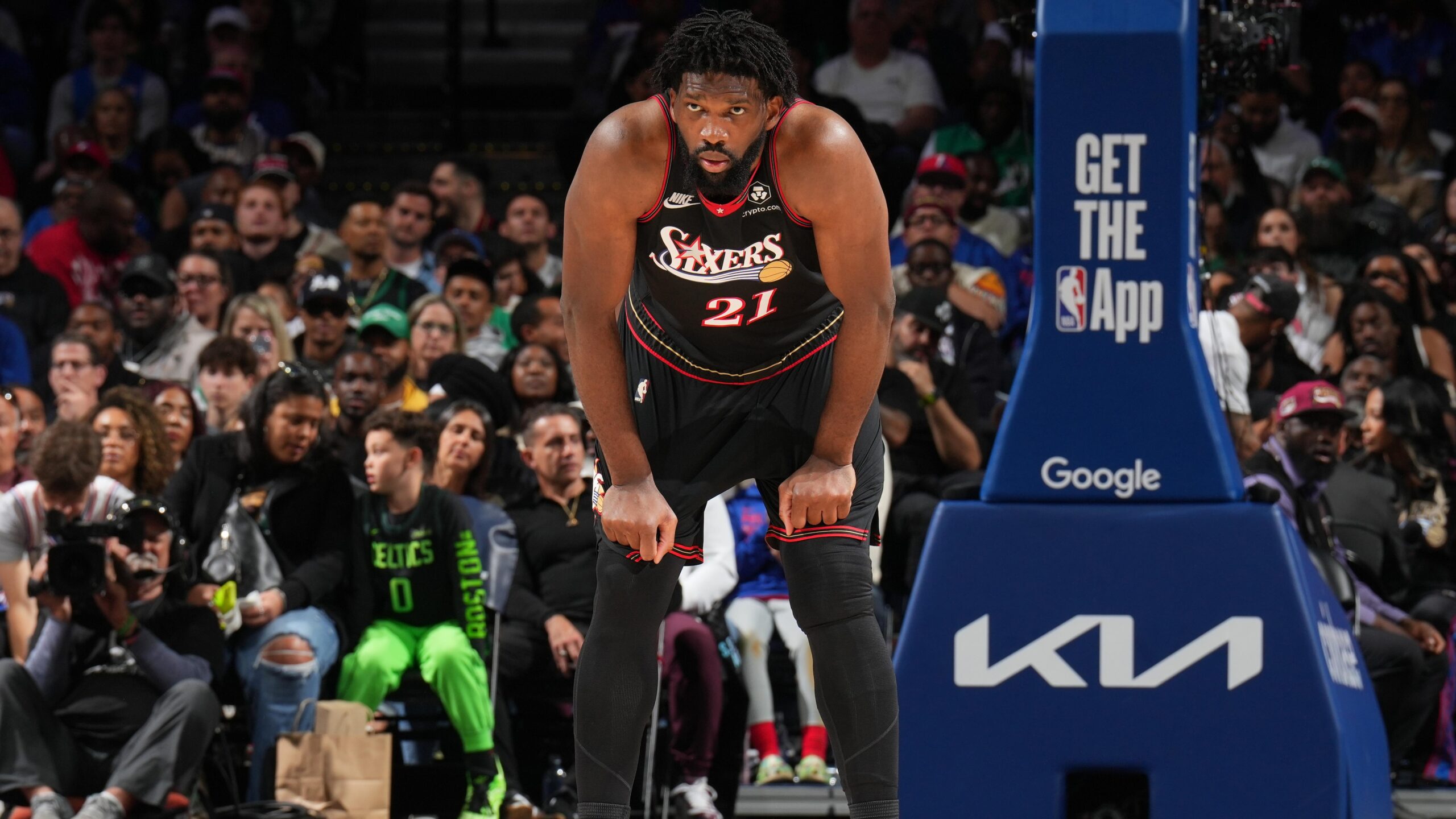
The Philadelphia 76ers’ current postseason trajectory serves as a case study in the tension between elite talent optimization and the physiological limitations of a franchise cornerstone. Joel Embiid’s revelation of post-surgical complications following an appendectomy adds a layer of biometric volatility to the team’s competitive calculus, specifically as they confront the high-leverage environment of the Eastern Conference playoffs.
The Logistics of Diminishing Availability
For the third consecutive season, Embiid failed to breach the 40-game mark, concluding the 2024-25 regular season with just 38 appearances. This sustained sub-40-game availability threshold presents a structural challenge for the organization, necessitating a perpetual recalibration of tactical rotations. The institutional decision to prioritize long-term preservation via restricted minutes and back-to-back avoidance was a calculated gamble that remains vulnerable to unforeseen medical interventions.
Financially, the trend of restricted availability creates an ROI bottleneck. As maximum-contract capital is increasingly allocated to a player with limited volume, the supporting roster must over-perform to maintain seeding. The team’s reliance on a Play-In victory over Orlando underscores the precariousness of a system where the primary engine is frequently sidelined by biological variables.
Tactical Evolution and Defensive Regression
Data from the current campaign suggests a notable shift in Embiid’s value proposition. The cumulative impact of lower-body injuries has catalyzed a defensive regression; the former rim-protecting deterrent has adopted a more conservative posture. This adjustment appears intentional—a preservation of energy for high-usage offensive possessions and a mitigation strategy for his compromised mobility.
Offensively, the team has oscillated between an Embiid-centric post-up system and a perimeter-oriented identity. His ability to catalyze a 113-97 victory in Game 5 despite physical distress demonstrates that his scoring ceiling remains high enough to compensate for reduced defensive lateral quickness. The 76ers’ recovery from a 3-1 deficit to force a Game 7 highlights an emergent institutional resilience, proving the supporting cast can execute under pressure when their lead star is physically capped.
Institutional Referendum: Game 7 and Beyond
The impending Game 7 against Boston serves as a referendum on the 76ers’ long-term organizational philosophy. By ignoring external calls for tactical tanking and pushing through Embiid’s medical setbacks, management has signaled a total commitment to the current competitive window. However, at 32, Embiid is entering an aging curve where recovery windows for surgical interventions naturally widen.
Ultimately, the 76ers must determine if a sustainable contender can be built around a player whose presence is elite but increasingly intermittent. Regardless of the Game 7 outcome, the 2024-25 season has redefined the ‘Embiid Era’ as a race against physiological time, where tactical flexibility and medical management are as vital as on-court execution.