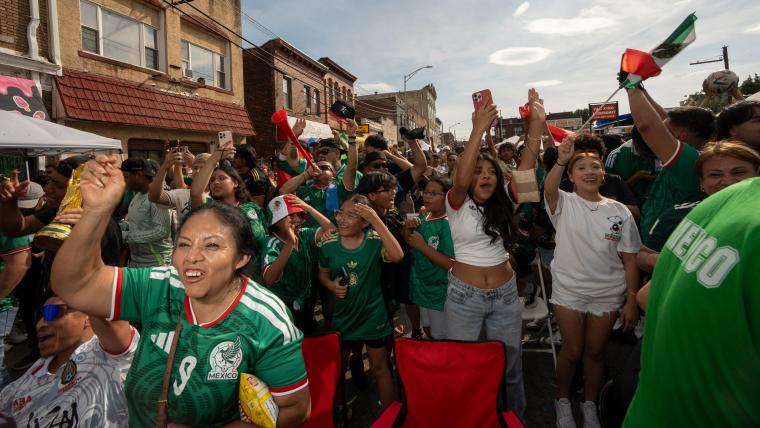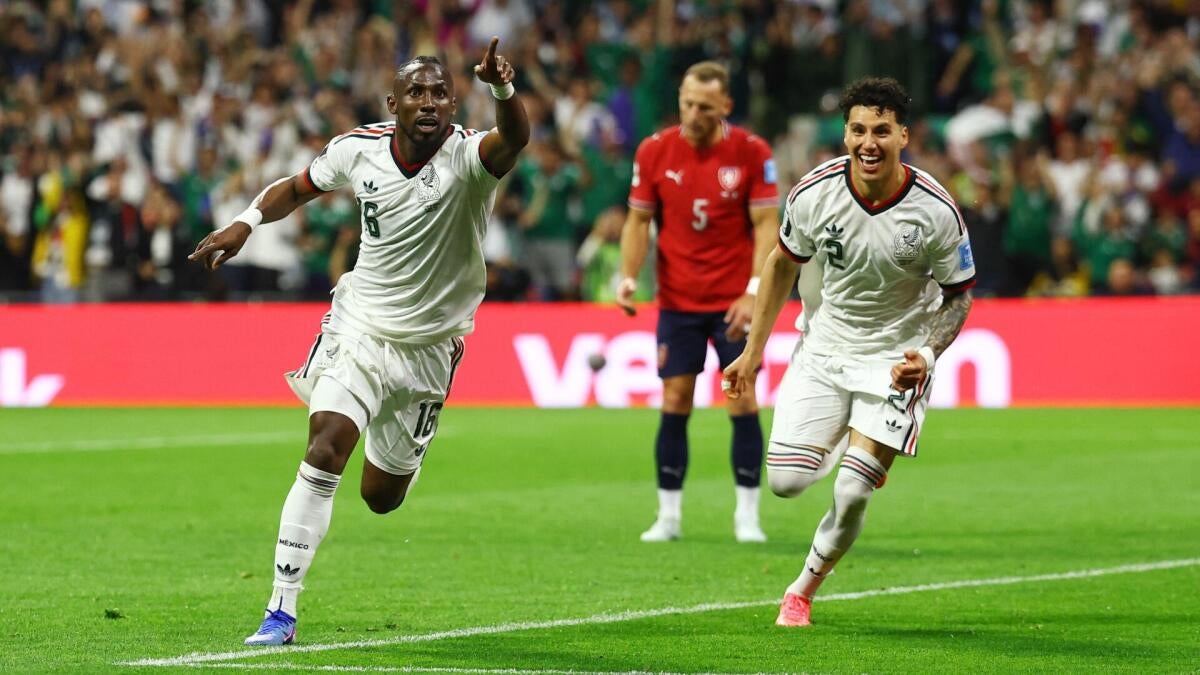
The 2026 World Cup Round of 32 fixture between Mexico and Ecuador at the Estadio Azteca transcends traditional sporting rivalry, manifesting as a volatile intersection of institutional friction and regulatory scrutiny. While Mexico’s flawless group-stage trajectory—securing nine points against South Africa, South Korea, and the Czech Republic—establishes them as a statistical favorite, the narrative is increasingly dictated by an escalating off-field dispute regarding host-city security protocols and fan-induced psychological warfare.
Regulatory Precedent and the FIFA Disciplinary Code
The formal grievance filed by the Ecuadorian Football Federation (FEF) with FIFA introduces a critical legal dimension to the knockout stage. By targeting the failure of local authorities to prevent sleep-deprivation tactics employed by Mexican supporters at the team hotel, the FEF is testing FIFA’s ‘duty of care’ obligations. This incident probes the boundaries of Article 16 of the FIFA Disciplinary Code, questioning the extent of a host nation’s liability for security breaches occurring outside the match venue’s immediate perimeter.
From an institutional standpoint, this move serves as a tactical maneuver to mitigate Mexico’s home-field advantage by applying administrative pressure on the organizing committee. The outcome of this investigation may redefine operational security requirements for future high-density urban tournaments, potentially mandating broader exclusion zones and enhanced state-sponsored protection for visiting delegations to preserve the integrity of the competitive environment.
Market Volatility and Commercial Risk Assessment
Betting markets reflect a sophisticated hedging of Mexico’s historical home dominance against Ecuador’s emerging status as a high-leverage disruptor. With FanDuel Sportsbook positioning Mexico at +120 on the 90-minute moneyline, the narrow spread suggests that oddsmakers are factoring in ‘event-specific volatility.’ Ecuador’s recent victory over Germany has re-indexed their risk profile, signaling to the market that their defensive transition speed is an effective counter-measure to Mexico’s possession-oriented structure.
Furthermore, Mexico’s -190 price to qualify highlights an institutional expectation of progression, yet the 1.5 goal over/under implies a low-scoring, high-attrition engagement. For the Mexican Football Federation (FMF), the stakes are as much commercial as they are athletic; an early exit in the primary host market would represent a significant contraction in sponsorship activation and domestic broadcast valuation for the tournament’s remaining duration.
Tactical Multipliers and Psychological Barriers
The inclusion of Mora in the starting XI signals a move toward ‘defensive pragmatism,’ a necessary adjustment to stabilize transitions against an Ecuadorian side that excels in vertical exploitation. This tactical shift seeks to insulate Mexico from the ‘quinto partido’ (fifth game) psychological burden—a structural narrative that has historically hampered the squad’s performance in high-pressure knockout scenarios.
Conversely, Ecuador utilizes emotional resonance as a performance multiplier. The legacy of Christian ‘Chucho’ Benitez is being leveraged as a powerful unifying narrative, transforming the Azteca from a hostile territory into a symbolic venue for historical vindication. This psychological freedom allows Ecuador to operate without the same institutional pressure felt by the host nation, potentially granting them the resilience needed to endure late-match tactical shifts.
Operational Security and Global Tournament Integrity
The hotel disturbance exposes systemic vulnerabilities in the 2026 hosting model. The failure to insulate athletes from external interference challenges the perceived fairness of the competition. If FIFA’s response is deemed insufficient, it could set a dangerous precedent for ‘asymmetric fan tactics’ throughout the knockout phase. Consequently, the match is not merely a test of athletic prowess but a trial of the organizational framework governing North American soccer’s premier event.