TGL Championship Showdown: Jupiter Links GC vs. LA Golf Club
The inaugural TGL season culminates in a best-of-three finals series between Jupiter Links Golf Club and Los Angeles Golf Club (LAGC). This matchup follows dramatic semifinal victories, highlighting significant competitive shifts and strategic resilience.
Jupiter Links GC achieved a stunning upset, defeating the top-seeded Boston Common Golf, led by Rory McIlroy, with a decisive 9-5 victory. This turnaround from a historically poor 2025 season underscores a strategic transformation and the unpredictable nature of team-based golf.
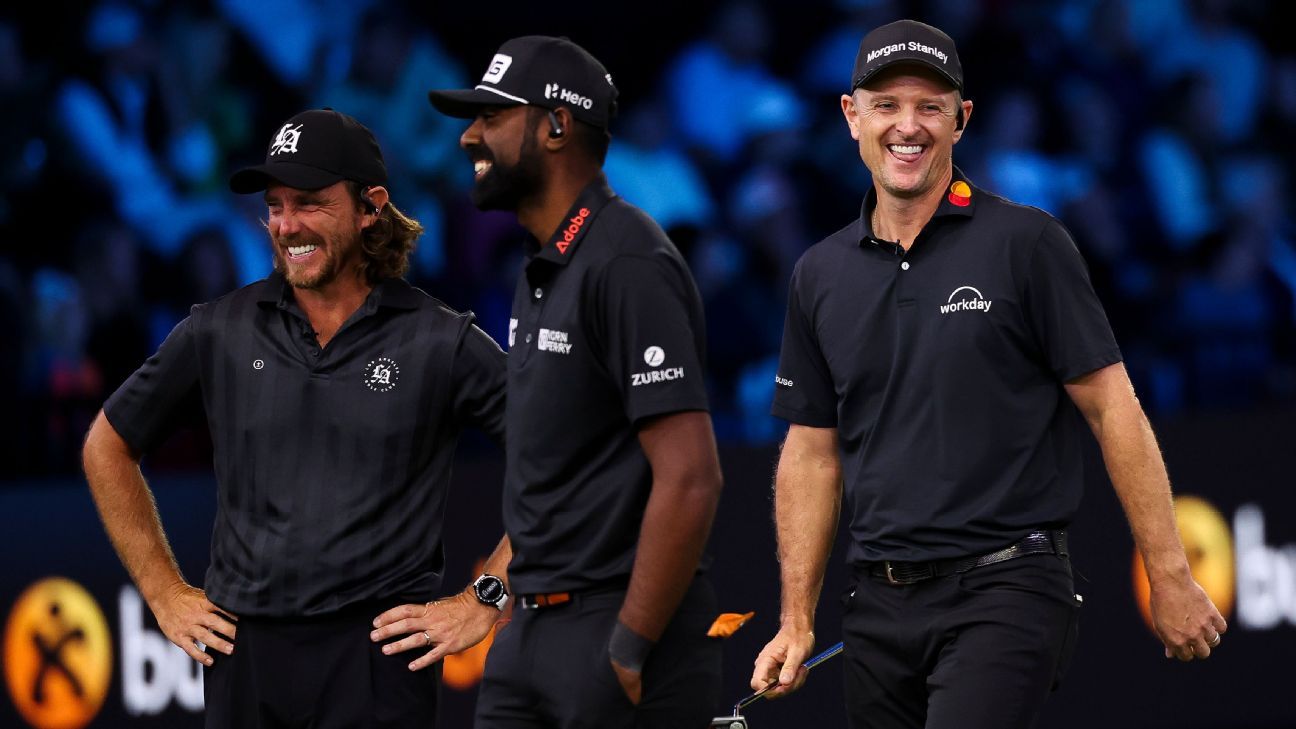
LAGC demonstrated resilience in their semifinal, rallying from a 4-1 deficit against Atlanta Drive Golf Club to secure a 6-4 win. Key player Justin Rose attributed the victory to team cohesion and a strategic belief in sustained performance, emphasizing collective quality.
Strategic Implications of Semifinal Upsets
Jupiter Links GC’s improbable run, marked by their decisive win over Boston Common, signifies a substantial evolution in team performance and execution. Their transformation from a struggling 2025 season, where they were infamously dubbed the “Bad News Bears,” to a championship contender suggests effective player development, coaching adjustments, or strategic roster management.
The defeat of Rory McIlroy’s top-seeded team highlights potential vulnerabilities under playoff pressure. This outcome suggests that regular-season dominance does not guarantee championship success in high-stakes, short-format competitions where momentum and clutch play are paramount.
Tiger Woods’ Return and Competitive Leverage
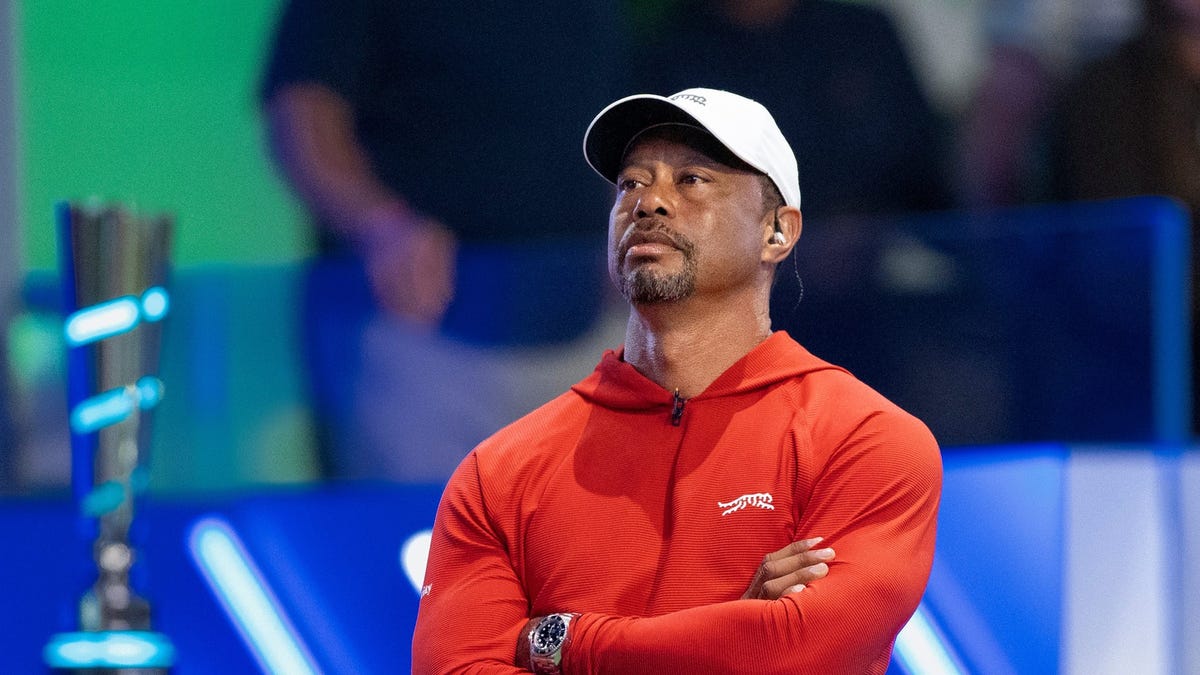
Tiger Woods’ expected participation in the finals is a pivotal development for Jupiter Links GC and TGL viewership. Woods, returning after back surgery, represents a significant strategic asset with the potential to dramatically alter the competitive balance. His comeback after a period of absence directly addresses the team’s need for top-tier performance in the championship round.
Woods’ presence elevates the stakes for Jupiter Links and amplifies overall interest in the TGL finals. His ability to perform post-recovery will be closely watched, impacting team morale and influencing strategic decisions.
LA Golf Club’s Resilient Path to the Finals
LAGC’s journey to the finals is defined by their demonstrated ability to perform under pressure, as evidenced by their semifinal comeback. The team’s composition, featuring players like Tommy Fleetwood and Sahith Theegala alongside Justin Rose, indicates a well-rounded squad capable of executing effectively.
Their semifinal victory against the championship-pedigreed Atlanta Drive GC underscores their strategic depth and mental fortitude, positioning LAGC as a formidable opponent.
Championship Matchup Dynamics: LAGC Leads 1-0
The championship series has begun with LAGC securing a narrow 6-5 victory in the first match of the best-of-three series. This early lead places Jupiter Links GC in a must-win situation for the remaining matches, intensifying the pressure on Tiger Woods’ team.
Strategic decisions regarding player pairings and format utilization within TGL’s unique stadium environment will be critical. LAGC’s roster, including players like Theegala known for strategic gambles, suggests a team prepared to take calculated risks.
Operational and Performance Leverage in the TGL Format
The TGL format, with its emphasis on quick-fire matches and team dynamics in a controlled stadium setting, presents unique operational challenges and opportunities. Teams must balance individual performance with cohesive strategy, a distinct departure from traditional golf tournaments.
Performance leverage in TGL stems from individual skill, team adaptability to the format’s demands, managing player fatigue, optimizing course-specific strategies, and maintaining psychological resilience.
Market and Media Impact of the Finals
The TGL finals, amplified by Tiger Woods’ return, are poised to generate substantial media attention, influencing viewership and league marketability. The narrative of Jupiter Links’ redemption arc, combined with Woods’ star power, creates a compelling storyline.
The finals’ audience draw could impact future investments in team-based golf formats and solidify TGL’s position in the sports entertainment landscape, demonstrating its commercial viability and strategic positioning.
Jerry Kelly Anecdote: A Contrast in Athlete Narratives
The experience of Jerry Kelly on the PGA Tour Champions circuit, withdrawing due to back spasms and conducting an interview while lying down, offers a contrasting perspective on athlete performance and public perception. This viral moment on Golf Twitter highlights relatable human experiences in sports, distinct from championship narratives.
While showcasing the physical toll of professional golf, Kelly’s situation underscores the differing narrative potential between established tours and the emerging TGL format.
Institutional Responses and Future League Development
TGL’s successful navigation of its inaugural season, culminating in a championship with compelling storylines and a marquee player’s return, indicates a positive trajectory. The league’s ability to generate upsets and dramatic comebacks suggests a robust competitive structure.
Long-term institutional development will likely involve refining the TGL format, potentially expanding team ownership, and integrating technology to enhance the fan experience, ensuring engaging content and competitive integrity.
Distribution of Advantage and Disadvantage in the Finals
LAGC currently holds a 1-0 advantage in the best-of-three series, placing Jupiter Links GC under immediate pressure to equalize. This necessitates winning consecutive matches against a confident opponent.
However, Jupiter Links’ disadvantage is counterbalanced by the potential strategic advantage Tiger Woods’ return may bring, shifting perceived leverage based on his historical impact and competitive prowess.
Plausible Evolution Scenarios for TGL
TGL’s trajectory will be shaped by its ability to sustain competitive parity and dramatic narratives. Continued success in generating upsets and showcasing compelling player performances is crucial for attracting viewership and sponsorship.
Future evolution may include incorporating advanced data analytics, exploring new technological integrations within the stadium, and potentially expanding the league’s roster or geographical footprint, defining its long-term sustainability and market position.
Stakeholder Implications in the TGL Finals
For players like Justin Rose and LAGC members, the finals offer a chance to secure a championship title in a novel format, enhancing their professional profiles. For Jupiter Links, it’s an opportunity to validate their turnaround and solidify Tiger Woods’ legacy in this new arena.
Investors and league organizers are closely monitoring the finals’ performance, which will inform strategic investments, broadcast rights, and the overall economic model of TGL, signaling its commercial viability and disruption potential.
The Role of Media in Shaping TGL Narratives
Media coverage is pivotal in framing the TGL finals, amplifying Jupiter Links’ redemption arc and LAGC’s consistent performance. Tiger Woods’ return serves as a focal point, drawing broader attention to the league.
The contrast between TGL’s high-tech, team-oriented approach and traditional golf, highlighted by the Jerry Kelly incident, allows media to explore diverse aspects of professional golf, potentially broadening its appeal.
Competitive Leverage and Strategic Adaptations
Strategic leverage in TGL is dynamic, shifting with each match and player introductions. LAGC’s initial lead offers a psychological advantage, but Jupiter Links can regain momentum through strong individual performances, especially from a fit Tiger Woods.
Adaptations will be key. Teams must adjust strategies based on opponent performance, stadium course conditions, and specific hole formats. Sahith Theegala’s successful gamble on the ninth hole exemplifies the importance of tactical boldness and execution.
Downstream Effects on the Golf Ecosystem
TGL’s success, if it continues to draw significant viewership and sponsorship, could influence investment in other innovative golf formats and technologies. It may also prompt traditional golf organizations to explore new audience engagement strategies and adapt to evolving media consumption habits.
The league’s integration of star power with a compelling team structure provides a potential blueprint for other sports, with financial implications that could reallocate resources within the sports entertainment industry.
Performance Leverage and Capital Movement in TGL
Performance leverage in the TGL finals is tied to capital invested in rosters and player development. While strong rosters are expected to perform well, TGL’s format has demonstrated that strategic execution and team chemistry can overcome pure talent.
Capital movement within TGL is driven by franchise valuations, sponsorships, and media rights. The championship series’ success will influence future capital injections, potentially leading to higher player salaries, increased investment in training facilities, and a more robust competitive infrastructure.