
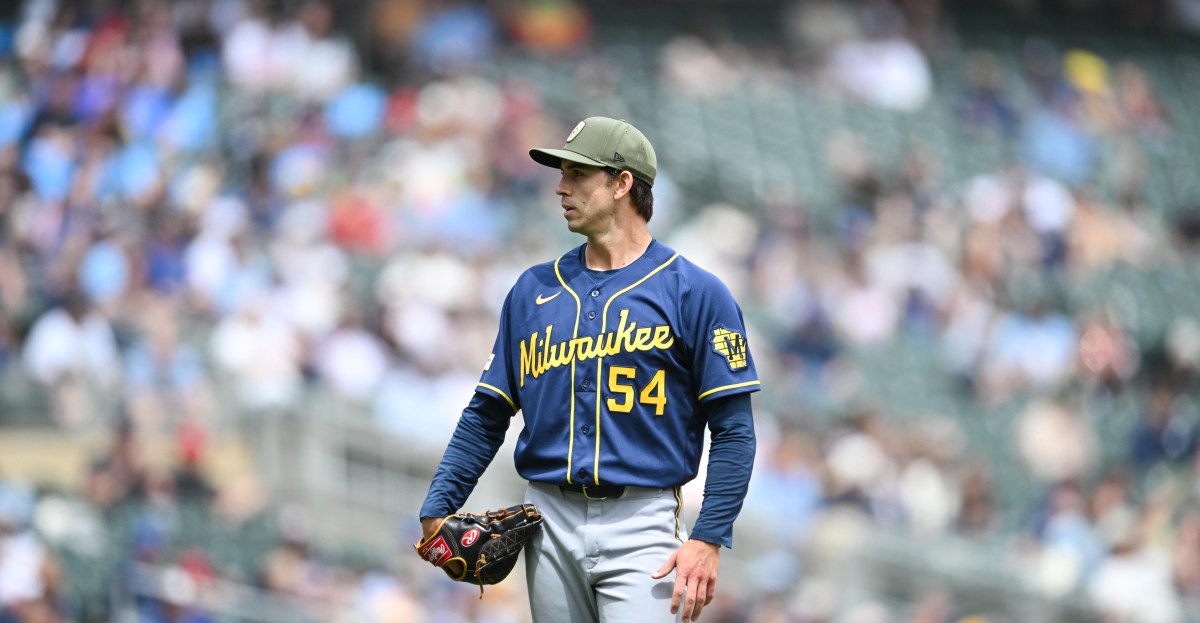
Advanced MLB Strategy: Brewers-Dodgers Game Illuminates Roster Dynamics & Player Development
The May 22, 2026, contest between the Milwaukee Brewers and the Los Angeles Dodgers (Game Thread #49) was more than a single fixture; it served as a microcosm for the complex operational and strategic imperatives governing elite professional baseball franchises. With the Brewers at 30-18 and the Dodgers at 31-20, this mid-season encounter held significant implications for divisional standings and playoff aspirations, demonstrating how immediate tactical objectives are inextricably linked to long-term organizational success, fan engagement, and ultimately, franchise valuation.
Investment in Talent: Divergent Development Pathways
The pitching matchups highlighted distinct yet equally strategic approaches to talent cultivation. For the Brewers, entrusting left-hander Robert Gasser with only his second big league start against a formidable Dodgers lineup underscored a deliberate commitment to their internal player development pipeline. This calculated risk, balancing immediate competitive demands with the long-term imperative of cultivating future high-value assets, reflected a proactive strategy to integrate homegrown talent. Gasser’s previous outing (two earned runs over four innings against the Twins) provided a baseline, signaling the organization’s faith in his progressive integration despite the inherent developmental volatility.
Conversely, the Dodgers’ deployment of right-hander Roki Sasaki, despite his 5.09 ERA, exemplified a patient, high-potential investment. Sasaki’s profile as a young talent with significant future upside, augmented by prior playoff bullpen experience, revealed a nuanced management philosophy prioritizing the cultivation of a likely long-term ace. His recent seven-inning, one-run performance against the Angels suggested strategic patience yielding initial dividends, validating the Dodgers’ substantial investment in his measured progression and adaptation to MLB demands.
Optimizing Competitive Edge: Load Management & Roster Depth
Strategic management of key offensive assets was evident in the Brewers’ decision to provide catcher William Contreras a scheduled day off. As a high-performing player on a hot streak, Contreras represents a critical asset whose consistent contribution is vital. Manager Pat Murphy’s decision reflected a data-informed approach to player load management and injury prevention over a grueling 162-game season. This proactive measure optimizes star player physical condition for critical stretches, mitigating the substantial financial and competitive risks associated with fatigue or injury to high-value talent.
The immediate operational effectiveness of this deep roster strategy was further demonstrated by Brice Turang and Sal Frelick, who drove in crucial runs. Their clutch contributions highlighted the organizational value of roster depth and the capability of complementary players to deliver in high-leverage situations, validating a broader strategic framework built on versatility and resilience.
Economic Imperatives & Franchise Valuation in MLB
The strategic decisions observed in this game are directly intertwined with the financial health and market valuation of both franchises. Sustained competitive performance, driven by effective player development and precise roster management, directly fuels revenue streams such as ticket sales, merchandise, and broadcast rights. A winning streak, for instance, translates into enhanced fan engagement and strengthens brand equity, making a team more attractive to corporate sponsors and media partners.
The investment in nascent talents like Gasser and Sasaki represents significant capital allocation; they are not merely athletes but projected future assets whose performance will directly impact competitive standing and market value. Similarly, the strategic resting of a high-value player like Contreras acts as a critical risk management strategy, safeguarding a substantial financial investment against potential long-term liabilities from injury or performance degradation.
Operational Governance & Analytical Frameworks
The explicit attribution of Contreras’s rest day to Manager Pat Murphy underscores the critical role of coaching staff and front office executives within a complex institutional hierarchy. Decisions are increasingly informed by sophisticated data analytics, player health metrics, and comprehensive long-term organizational objectives. The seamless interplay between scouting, player development, and major league management forms a cohesive system designed to maximize competitive advantage and financial returns. Each game, therefore, serves as a real-time proving ground for these overarching strategies, with player performances and outcomes providing immediate feedback for continuous refinement.
The Media Ecosystem and Commercial Leverage in Modern Sports
The original “Game Thread” and “Game Recap” format illuminates the integral role of the media ecosystem in professional sports. Digital platforms facilitate real-time engagement, offering fans access to live updates, highlights, and analytical content. The integration of “Scores Watch Betting” and trending topics like “FIFA WORLD CUP 2026™” highlights the extensive commercial interconnectedness, amplifying the reach and monetization potential of individual games and player narratives. This sophisticated content delivery strategy, designed for maximum user engagement and data capture, directly translates into advertising revenue, subscription models, and expanded commercial partnerships, solidifying the financial leverage derived from competitive sports content.
Conclusion: Sustaining Competitive Advantage Through Strategic Interdependencies
Ultimately, the micro-level events of this Brewers-Dodgers game are manifestations of deeply embedded strategic choices and systemic interdependencies within MLB. The calculated risks in player development, the data-driven optimization of player performance, and the strategic allocation of resources collectively contribute to a franchise’s long-term trajectory. Success hinges on a continuous cycle of talent identification, cultivation, tactical deployment, and financial stewardship. This dynamic interplay between immediate tactical execution and an overarching strategic vision defines the modern operational landscape of professional sports, where every decision carries significant weight for future competitive advantage and financial viability.

Photo by Veronika_Andrews on Pixabay.