Schematic Reconfiguration and Perimeter Optimization
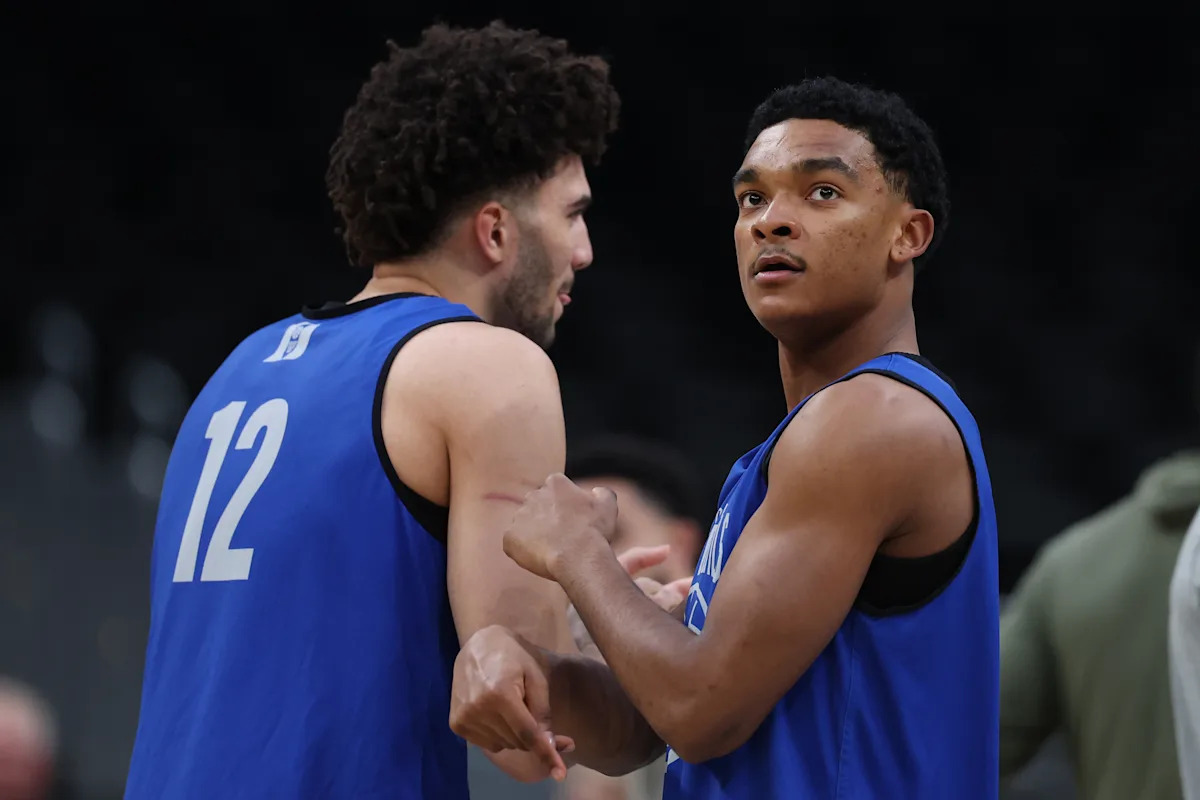
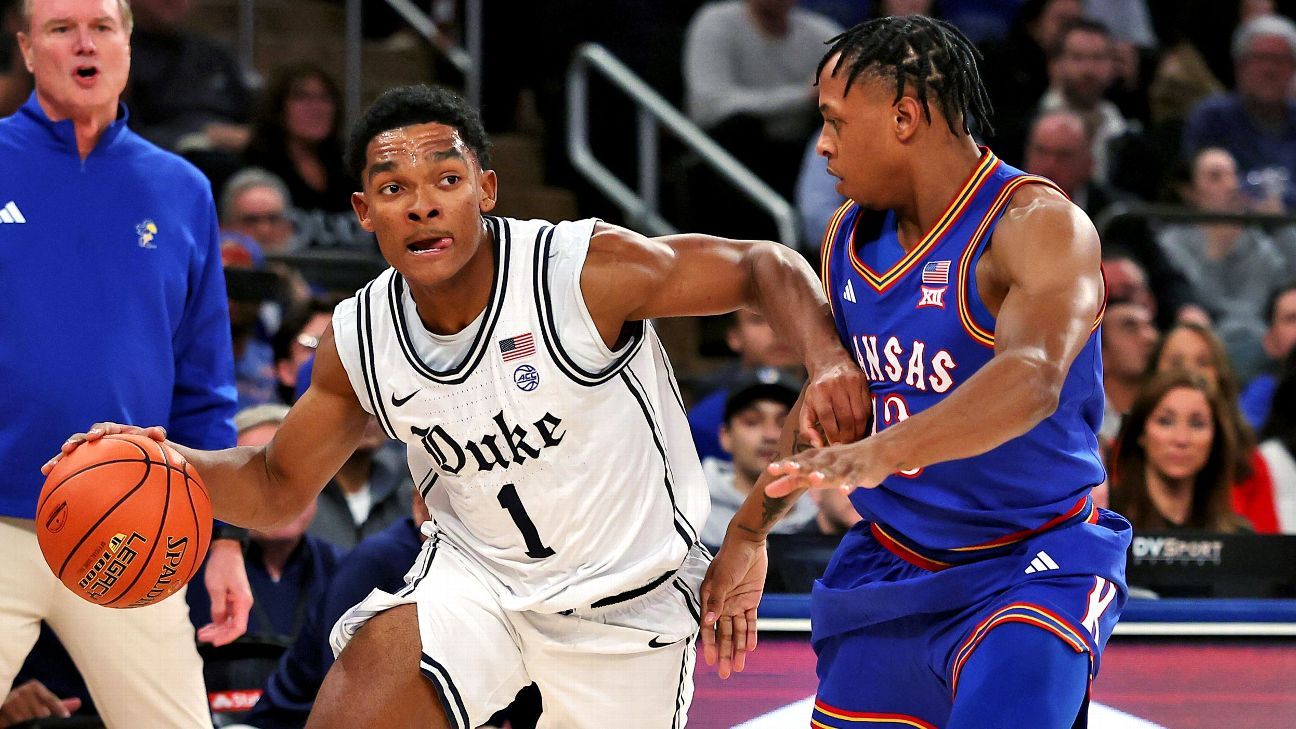
The potential reintegration of Caleb Foster into the Duke rotation for the Sweet 16 introduces a vital tactical variable for the tournament’s top seed. Sidelined since mid-March due to a stress-related foot injury, Foster’s return offers a volumetric shooting threat—40.2% from three-point range—that restores the Blue Devils’ optimal floor geometry. His presence forces defensive gravity away from the interior, mitigating the double-team pressure often applied to Duke’s primary post options.
Analytically, Foster’s return shifts the backcourt’s defensive profile. Unlike the more aggressive, transition-heavy approach seen in his absence, Foster provides a stabilizing secondary ball-handler capable of neutralizing full-court pressure. This allows the coaching staff to pivot between a high-tempo freshman-led attack and a more deliberate, half-court execution model, forcing opponents to prepare for two distinct offensive identities.
Biomechanical Recovery and Medical Protocols
Foster’s 22-day transition from a documented fracture to court activity underscores the sophisticated sports science infrastructure at Duke. The program’s load-management protocol—utilizing controlled impact cycles and metabolic conditioning—aims to minimize the risk of re-injury while maximizing game-speed readiness. Historically, Duke has successfully navigated similar high-stakes medical returns, though the lateral intensity of NCAA tournament play remains the ultimate stress test for structural integrity.
The institutional management of this recovery serves as a recruitment benchmark, signaling a high-priority commitment to long-term athlete health. While family sources categorize his availability as a 50-50 game-time decision, the use of compression technology and limited media-window participation indicates a calculated approach to information management, keeping scouting reports ambiguous until the final tip-off.
Countering St. John’s High-Intensity Press
Strategically, Foster is the ideal foil for the St. John’s defensive system, which thrives on disrupting inexperienced ball-handlers through relentless perimeter traps. At 6-foot-5, Foster’s physical profile allows him to pass over the top of active zones, a critical asset for maintaining offensive rhythm under duress. His ability to switch across three positions defensively further ensures that Duke does not sacrifice size for ball security.
If Foster remains sidelined, the burden of managing the game’s tempo falls on a shortened rotation, potentially leading to late-game fatigue—a vulnerability St. John’s is designed to exploit. The decision to play Foster involves a complex risk-reward assessment: the marginal gain in win probability versus the potential for long-term physiological setback. This decision will likely hinge on his performance during high-intensity lateral movement drills in the final pre-game window.