
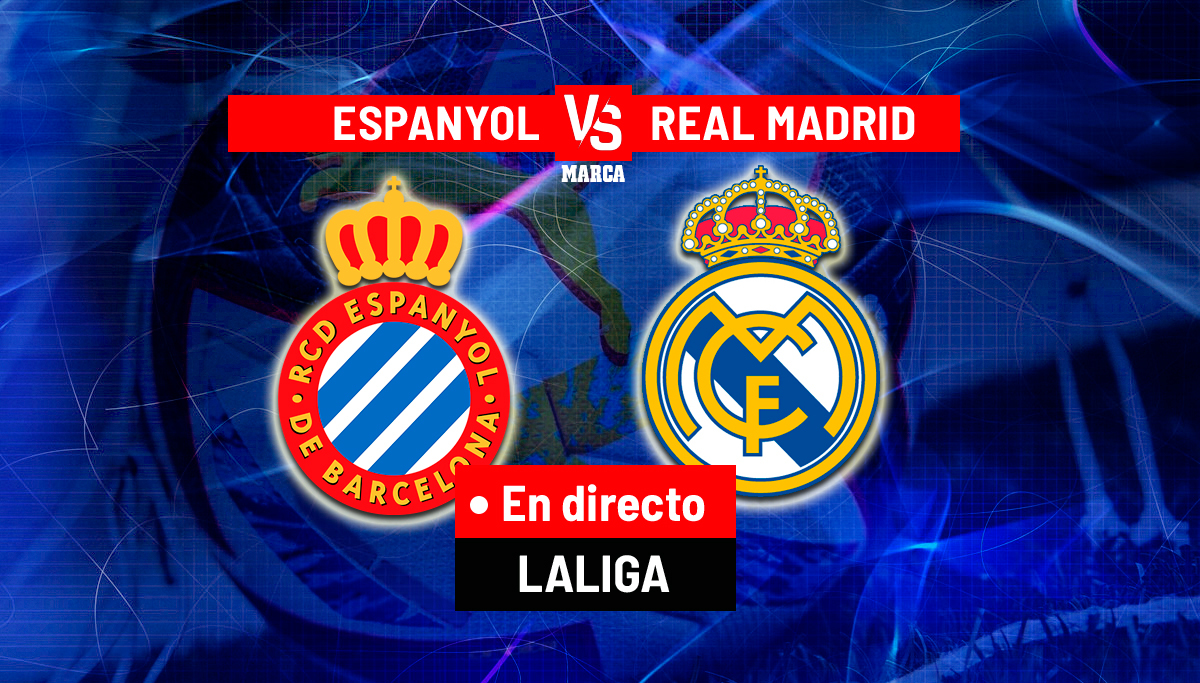
Real Madrid’s visit to the RCDE Stadium represents more than a standard fixture; it is a critical assessment of the club’s institutional resilience. Following a stagnant 1-1 draw against Betis, the squad faces a compounded crisis of personnel and performance that threatens to derail their domestic campaign. The tactical landscape has shifted from offensive dominance to defensive pragmatism as manager Arbeloa navigates a severely depleted roster.
The primary operational hurdle is the absence of Kylian Mbappé, whose injury to the semitendinoso muscle in his left leg removes the team’s most potent offensive catalyst. This muscular pathology demands a conservative recovery protocol to mitigate long-term structural risks, effectively sidelining the French international during a definitive stretch of the season. This void forces an immediate re-engineering of the frontline, shifting the creative and scoring burden onto Jude Bellingham and Vinicius Júnior.
Structural integrity is further compromised in the engine room. The ongoing absence of Aurélien Tchouaméni has necessitated Federico Valverde’s transition into a disciplined, central anchor role—a move that demonstrates individual versatility but exposes a lack of specialized depth. This forced adaptation limits Madrid’s ability to execute high-intensity pressing, as the technical staff must now prioritize metabolic conservation across a thinning rotation to avoid further systemic failures.
Strategically, the May 10 Clásico at the Camp Nou looms as the ultimate pressure point. The medical department is under immense scrutiny to accelerate rehabilitation timelines without compromising player safety. For Espanyol, manager Manolo González has identified these vulnerabilities, deploying a pragmatic double-lateral configuration with Rubén Sánchez specifically designed to neutralize Vinicius Júnior’s verticality. This tactical counter-move seeks to exploit Madrid’s makeshift backline and the potential defensive lapses of a transitional starting eleven.
Beyond the pitch, the match carries significant commercial and institutional weight. The outcome will likely dictate the club’s managerial narrative, with reports suggesting that final decisions regarding the coaching staff’s future will be ratified post-season. Financially, maintaining proximity to the league leaders is essential for safeguarding sponsorship valuations and domestic revenue streams. In this high-stakes environment, the performance at Cornellà serves as a litmus test for Real Madrid’s recruitment strategy and their capacity for crisis management under extreme competitive pressure.
Photo by rubns28 on Pixabay.