
Hantavirus Outbreak on Transatlantic Cruise Ship Prompts WHO Investigation
Three fatalities have been linked to a potential hantavirus outbreak aboard the MV Hondius cruise ship, which was en route from Ushuaia, Argentina, to Cape Verde. The World Health Organization (WHO) confirmed one laboratory-confirmed case and five suspected cases among passengers, with one individual currently in intensive care in South Africa.
This incident underscores the public health risks inherent in enclosed environments like cruise ships, especially during international voyages through diverse ecological zones. The WHO’s involvement signifies the potential for a broader public health event requiring coordinated international response and epidemiological investigation to contain spread and identify the pathogen’s precise source.
Hantavirus Transmission and Public Health Implications
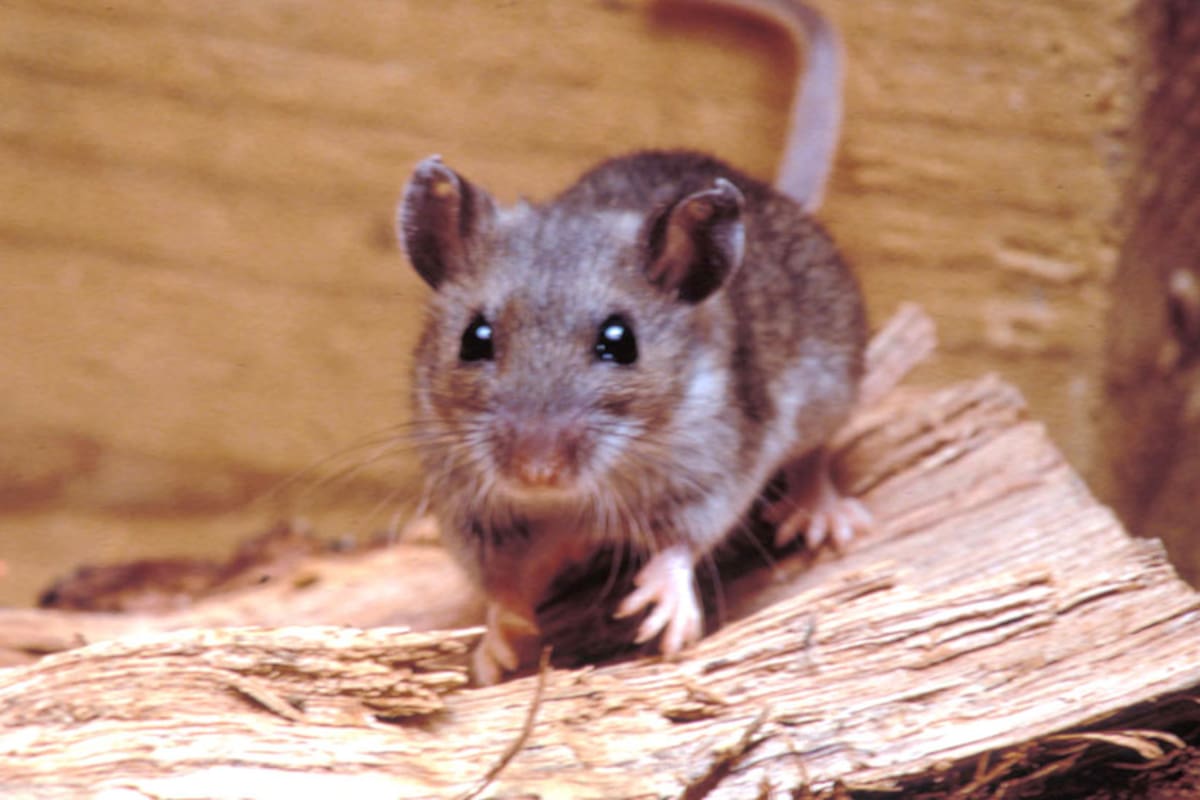
Hantavirus is a severe, often fatal viral illness transmitted to humans primarily through contact with rodent excreta (saliva, feces, urine). The most common transmission route is inhaling aerosolized virus particles from dried rodent droppings in enclosed spaces, leading to severe respiratory illness characterized by fever and muscle aches.
The confirmed case on a long-haul voyage highlights the critical importance of stringent biosecurity protocols in maritime operations. This event may trigger a reassessment of health screening procedures and environmental sanitation standards for cruise lines operating in hantavirus-endemic regions.
Geographic Context and Operational Challenges
The MV Hondius’s route from Ushuaia, Argentina, to Cape Verde traverses ecologically varied environments. Ushuaia’s subpolar climate and surrounding natural landscapes present a potential reservoir for hantavirus-carrying rodents, a known concern in parts of Argentina where a national health alert was recently issued due to confirmed deaths.
Managing a public health emergency at sea presents significant logistical challenges, including prompt medical intervention, isolation, and thorough disinfection. Diverting a critically ill passenger to South Africa for intensive care illustrates the complex international medical coordination required, potentially straining destination country resources.
Stakeholder Exposure and Strategic Recalibration
For the cruise operator, this incident carries substantial reputational and financial risks, including scrutiny over health protocols, potential lawsuits, and impact on future bookings. Operational disruptions, such as quarantine measures or investigations, can lead to significant financial losses.
The WHO’s engagement elevates the incident to a global health concern, potentially influencing international maritime health regulations and travel advisories. Other cruise lines may preemptively review their health and safety measures, especially for voyages originating from or passing through hantavirus-prevalent regions, prompting strategic recalibration of risk management frameworks.
Epidemiological Investigation and Containment
The confirmed case and subsequent deaths necessitate a detailed epidemiological investigation to trace the outbreak’s origin and extent. This includes identifying the specific hantavirus strain, likely vector, and timeline of exposure for all passengers and crew. The WHO’s role is crucial in coordinating this cross-border investigation and ensuring standardized data collection.
Containment strategies will likely involve rigorous environmental cleaning and rodent control on the ship, alongside health monitoring of all individuals onboard. The success of these measures will dictate the likelihood of secondary transmission and the overall public health impact, influencing future protocols for maritime health events.
Broader Health System Preparedness
The hantavirus outbreak serves as a reminder of global health interconnectedness and the persistent threat of zoonotic diseases. Argentina’s experience, with 22 hantavirus deaths reported in 2025 leading to a national health alert, underscores ongoing challenges in managing such diseases on land.
This event highlights the need for robust public health infrastructure for rapid detection, diagnosis, and response to infectious disease outbreaks, regardless of origin. It also emphasizes the importance of international cooperation and information sharing in combating transboundary health threats in the context of global travel.
Media Narrative and Public Perception
Reporting by international news agencies positions this incident within a broader narrative of global health security and travel vulnerabilities. The focus on fatalities and WHO involvement shapes public perception of the threat’s severity and international health organizations’ effectiveness.
Media dissemination of information on hantavirus transmission and prevention is critical for managing public anxiety and promoting informed health practices. Accurate reporting influences travel decisions and encourages adherence to public health guidelines, contributing to containment efforts.
Economic Ramifications and Industry Impact
The cruise industry, still recovering post-pandemic, faces renewed challenges from health scares. Significant outbreaks can trigger booking cancellations, increase operational costs for enhanced sanitation, and lead to regulatory changes impacting profitability and flexibility.
Economic implications extend beyond individual lines. A perception of heightened health risks associated with cruising could deter potential travelers, affecting the broader tourism sector vital to economies including Argentina and Cape Verde.
Long-Term Public Health Strategy
This incident necessitates a strategic review of public health preparedness for zoonotic diseases, considering climate change and increasing human-wildlife interaction. Understanding ecological factors driving rodent populations and hantavirus circulation is crucial for effective prevention.
The event may spur investment in epidemiological surveillance, novel diagnostic tools, and targeted public health interventions. Effective anticipation and response to such outbreaks are key determinants of future global health security.
Regulatory Environment and Compliance
The outbreak could lead to strengthened international maritime and national health regulations for cruise ships, including more rigorous requirements for onboard medical facilities, crew training, and environmental health monitoring.
Compliance with evolving regulations will demand significant investment from cruise operators, potentially affecting competitive positioning. Proactive adaptation and demonstration of robust safety protocols may provide a competitive advantage in a health-conscious market.
Scientific and Medical Research Focus
The outbreak could galvanize scientific and medical research into hantaviruses, focusing on understanding pathogenesis, developing effective treatments, and improving diagnostic capabilities, especially in resource-limited settings.
Research into environmental factors influencing transmission, such as climate patterns and rodent ecology, could offer insights for predicting and preventing future outbreaks, enhancing global preparedness against emerging infectious diseases.
International Cooperation and Information Exchange
The WHO’s involvement underscores the indispensable role of international cooperation in managing global health crises. Effective information exchange between national health agencies, research institutions, and international bodies is vital for a coordinated response.
This incident may reinforce existing international health agreements and encourage new collaborative frameworks to address transboundary infectious disease threats, essential for building a resilient global health security architecture.