The Evolution of Live Streaming Ecosystems
The contemporary digital media landscape operates within an environment where live-streaming platforms function as high-stakes arenas for audience acquisition and brand association. Platforms such as Kick have altered traditional distribution models by offering aggressive monetization structures that attract prominent mainstream talent and independent creators alike. This shift redistributes capital and visibility away from legacy networks, concentrating influence within direct-to-consumer digital ecosystems.
However, this migration of high-profile personalities introduces complex governance and risk management challenges for platform operators. When major public figures engage with alternative streaming services for high-profile promotional milestones, the boundary between curated corporate partnerships and unfiltered live environments blurs significantly. Consequently, platform stakeholders must navigate the delicate balance between fostering creative freedom and mitigating reputational exposure.
Content Monetization and Strategic Risk Exposure
The operational model of in-real-life streaming relies heavily on unscripted, spontaneous interaction, which inherently generates unpredictable content outcomes. Creators operating within this format often monetize audience engagement through real-time feedback loops, creating financial incentives for extreme or controversial behavior. This dynamic shifts institutional risk directly onto the platforms, which must determine their liability regarding unmoderated live broadcasts.
Financial backers and corporate sponsors associated with these platforms face distinct reputational vulnerabilities when live broadcasts cross ethical or legal boundaries. The integration of high-profile commercial ventures with volatile creator ecosystems requires rigorous compliance frameworks to protect brand equity. As digital advertising budgets increasingly flow toward direct creator channels, the demand for sophisticated safety protocols becomes an operational imperative rather than a secondary consideration.
Regulatory and Institutional Implications of Global Broadcasts
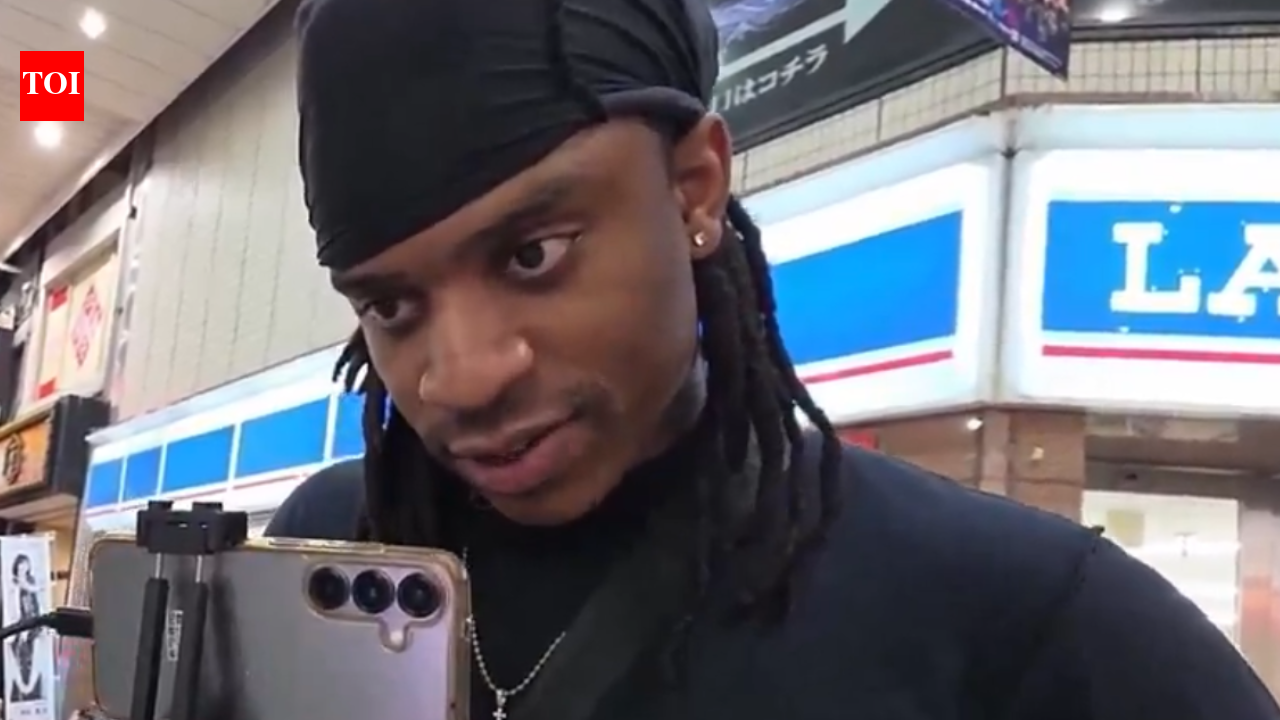
Geographic expansion and cross-border broadcasting expose digital creators and platforms to disparate legal jurisdictions and cultural norms. Incidents occurring during international broadcasts underscore the friction between platform community guidelines and local legal standards. When physical confrontations and offensive language occur during live streams, municipal authorities and law enforcement agencies are frequently drawn into the operational sphere of digital content creation.
These jurisdictional intersections highlight the growing need for standardized accountability mechanisms across the digital media sector. Regulatory bodies in multiple jurisdictions are increasingly scrutinizing the operational practices of live-streaming services, particularly regarding content moderation and user safety. As a result, the industry faces mounting pressure to establish robust administrative controls that satisfy both international regulatory expectations and commercial stakeholder demands.
The Intersection of Legacy Entertainment and Digital Platforms
The migration of established artists and mainstream cultural figures to alternative streaming platforms represents a significant structural evolution in media consumption. Music industry initiatives, album preview events, and promotional campaigns are increasingly deployed through live-streaming applications to capture younger, highly engaged demographics. This strategic alignment demonstrates the diminishing reliance on traditional broadcast media for large-scale product launches.
Yet, this transition exposes legacy brands and artists to the unpredictable operational realities inherent in live-streaming environments. The juxtaposition of sophisticated commercial marketing strategies with chaotic, unscripted creator content creates unique public relations challenges. Managing these disparate elements requires careful alignment between corporate management teams, digital talent agencies, and platform operators to safeguard institutional credibility.
Future Trajectory of Platform Governance and Accountability
The continuous tension between user-generated engagement metrics and institutional risk management points toward a period of structural readjustment for the live-streaming industry. Platforms that successfully balance open creator ecosystems with effective oversight mechanisms will likely capture long-term market stability. Conversely, those that fail to implement rigorous governance frameworks risk alienating corporate advertisers and facing increased regulatory intervention.
Ultimately, the maturation of the live-streaming sector depends on the establishment of clearer professional standards and accountability protocols. Industry participants across management, platform administration, and content creation must adapt to an increasingly scrutinized operating environment. The economic viability of these digital platforms relies on their ability to professionalize content delivery without stifling the spontaneity that drives audience engagement.