The 2026 Calendar Pivot: Institutional Resilience in Formula 1
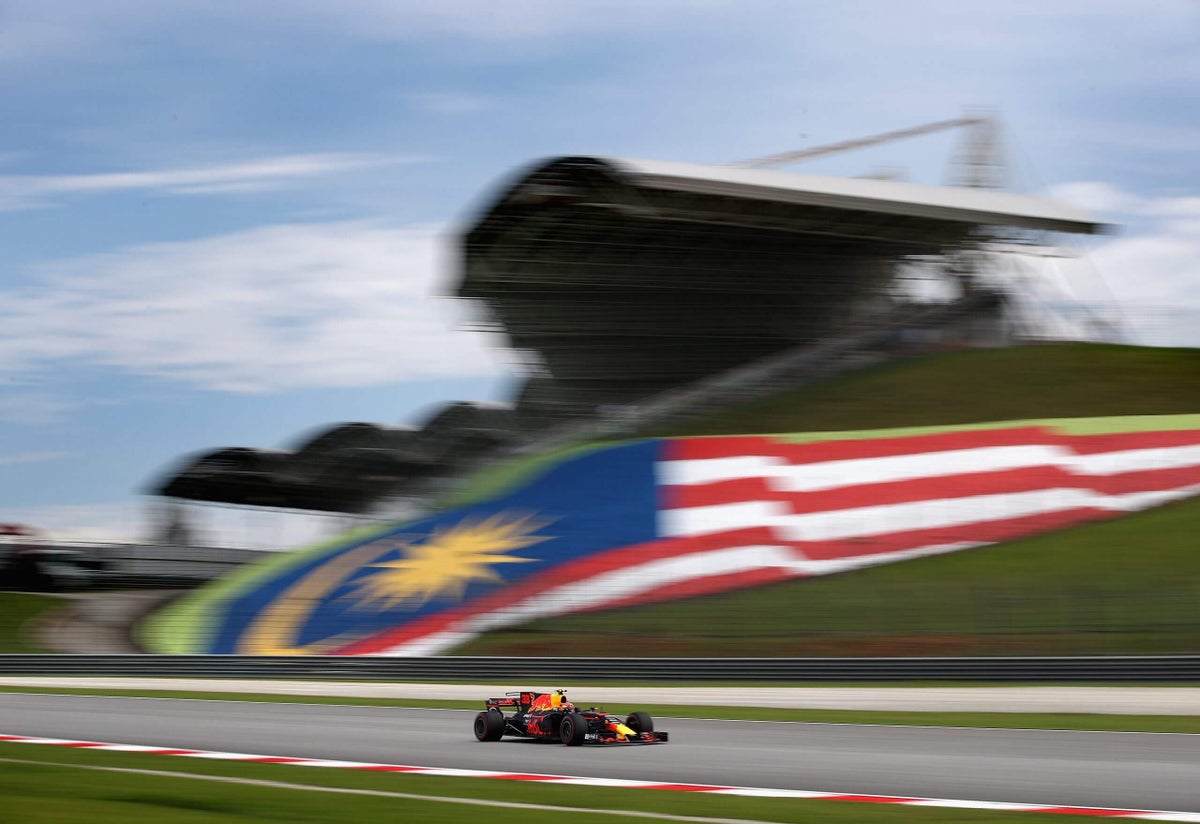
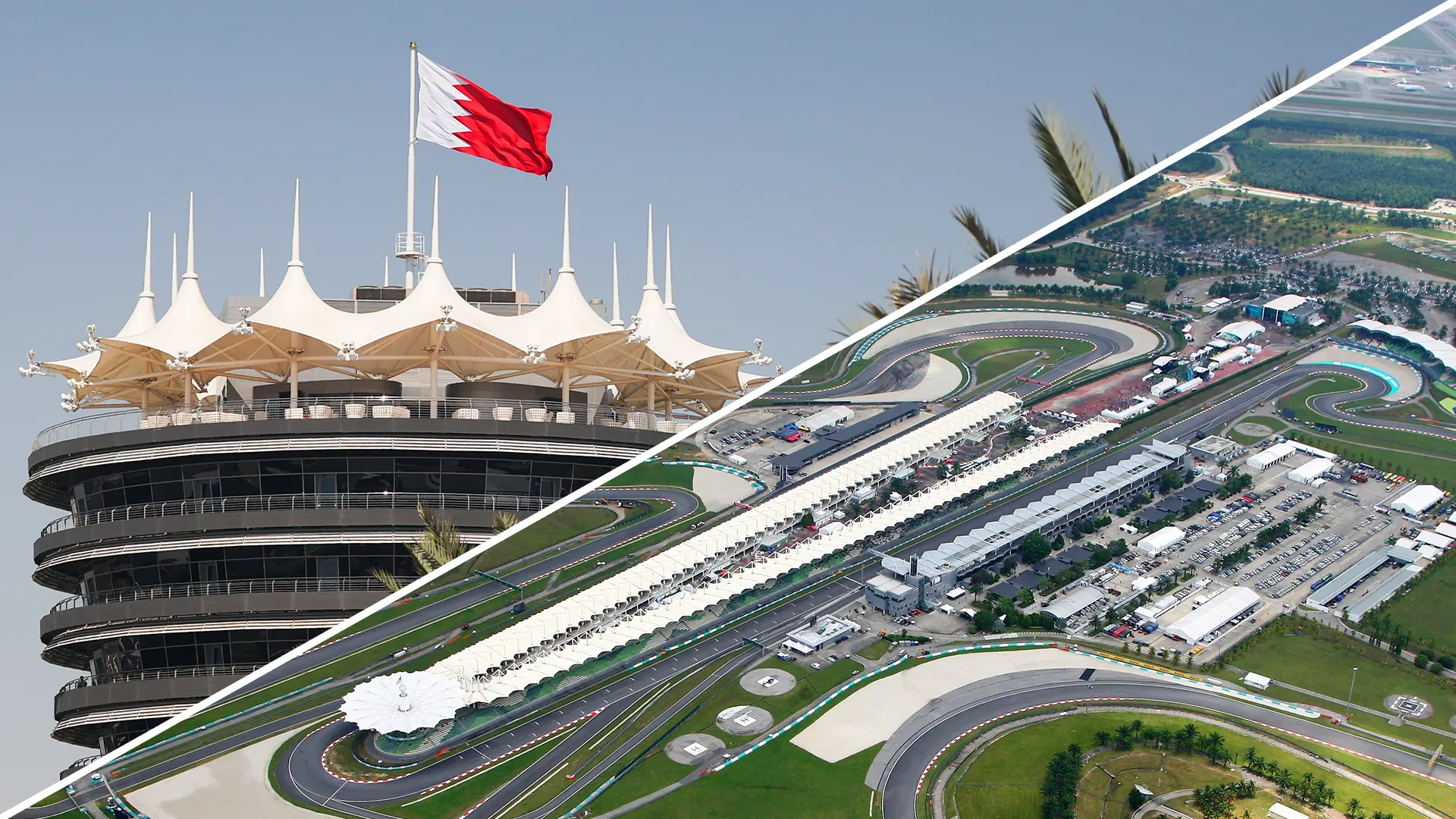
The formal ratification of the Sepang International Circuit as the venue for the 2026 Bahrain Grand Prix marks a watershed moment in Formula 1’s operational history. This decision, sanctioned by the FIA and Liberty Media, transcends mere scheduling; it represents a sophisticated risk-mitigation strategy designed to protect the commercial integrity of a 23-race season against escalating Middle Eastern instability. By shifting the event to the October 2-4 window, F1 is leveraging Malaysia’s Grade 1 infrastructure to bypass regional volatility while fulfilling its global broadcasting and sponsorship mandates.
The Tripartite Model and Brand Preservation
Central to this transition is a complex tripartite agreement between the governments of Bahrain and Malaysia and the Formula One Group. This ‘host-by-proxy’ arrangement maintains the ‘Gulf Air Bahrain Grand Prix’ branding, ensuring that Bahraini title sponsors retain global exposure despite the race’s physical relocation. For Bahrain, this serves as a critical hedge against a total loss of domestic investment returns, decoupling the commercial identity of the event from its geographical constraints to ensure institutional continuity.
Economic Realignment: Sepang’s Strategic Return
The return to Sepang reverses the circuit’s 2017 exit, which was precipitated by unsustainable hosting fees and a perceived lack of ROI. However, the current landscape—defined by surging global viewership and a more lucrative ‘Drive to Survive’ era demographic—has recalibrated the cost-benefit analysis for the Malaysian government. This re-entry highlights the increased leverage of the F1 platform as a tool for national branding. Unlike the 2017 climate, the 2026 iteration operates under a model where the high ‘bums on seats’ demand justifies the return to a circuit once deemed financially unviable.
Logistical Corridors and Contingency Governance
The placement of the Malaysian event between Azerbaijan and Singapore creates a high-efficiency ‘logistical corridor’ across Asia. This reduces the carbon footprint and operational overhead associated with long-haul freight, aligning with F1’s Net Zero 2030 goals. Beyond Malaysia, the sport remains in a state of heightened readiness regarding the season finales in Qatar and Abu Dhabi. With a decision deadline set for September, the potential activation of substitute venues like Imola, Portimão, or Istanbul Park underscores a proactive approach to risk management that prioritizes safety and technical viability over traditional venue loyalty.
Technical Volatility and Sporting Impact
Transitioning from the arid, power-sensitive Sakhir circuit to the tropical, high-downforce demands of Sepang introduces significant technical variables. Teams must now optimize aerodynamic packages for extreme humidity and thermal degradation, potentially disrupting the competitive hierarchy mid-season. This sporting intrigue, combined with the unpredictable tropical weather of Malaysia, ensures that the ‘Bahrain Grand Prix in Malaysia’ remains a high-stakes fixture for both constructors and fans alike.