
Structural Vulnerability and Roster Management
The recall of fast bowler Riley Meredith for the second ODI against Bangladesh signals a definitive shift in Australian personnel management. Lacking international exposure in this format since 2021, Meredith’s inclusion highlights the instability of a bowling attack currently missing stalwarts Pat Cummins, Josh Hazlewood, and Mitchell Starc. This reliance on fringe talent exposes the inherent tensions in modern international scheduling, where management must balance competitive output with the development of a secondary tier of players.
For captain Josh Inglis, the leadership void creates immense pressure. Following an 86-run defeat via the DLS method, the team’s tactical framework is under scrutiny as they struggle to integrate depth players into a cohesive unit against disciplined subcontinental opposition.
The Competitive Landscape in Mirpur
Bangladesh is currently leveraging the momentum of a potential landmark series victory, reflecting years of domestic infrastructure growth. For the hosts, a series win against Australia represents a shift in regional power dynamics and validates their tactical evolution in limited-overs cricket. Australia’s precarious 51-4 start, orchestrated by Taskin Ahmed and Mustafizur Rahman, underscores a fundamental difficulty in managing pace and spin variations on low-bounce pitches.
Operational Pressures and Execution
Josh Inglis’s decision to bat first signifies a preference for target-setting to mitigate the volatility of weather-affected DLS calculations. However, early batting collapses suggest a disconnect between strategic intent and technical application. The Australian middle order must now demonstrate significant adaptability to counter the disciplined, multi-dimensional bowling attacks of their opponents.
Institutional Implications and Talent Depth
Systemic player rotation, while necessary to mitigate fatigue across a high-volume calendar, challenges team cohesion. Australia’s performance is no longer a measure of its first-choice XI, but a data-heavy assessment of its national talent pool. Selectors are using this series to gauge the viability of their long-term depth chart, with players like Cameron Green and Josh Inglis carrying the burden of maintaining Australia’s standing in the global ecosystem.
Broader Market Consequences
A Bangladesh series victory would challenge the perceived disparity between established cricketing powers and emerging contenders, likely altering future commercial interest in bilateral series. For Australia, the reputational cost of a loss is exacerbated by historical expectations. Their response in the remaining series fixtures will determine whether these results indicate a transient dip or a more profound structural decline in white-ball proficiency.
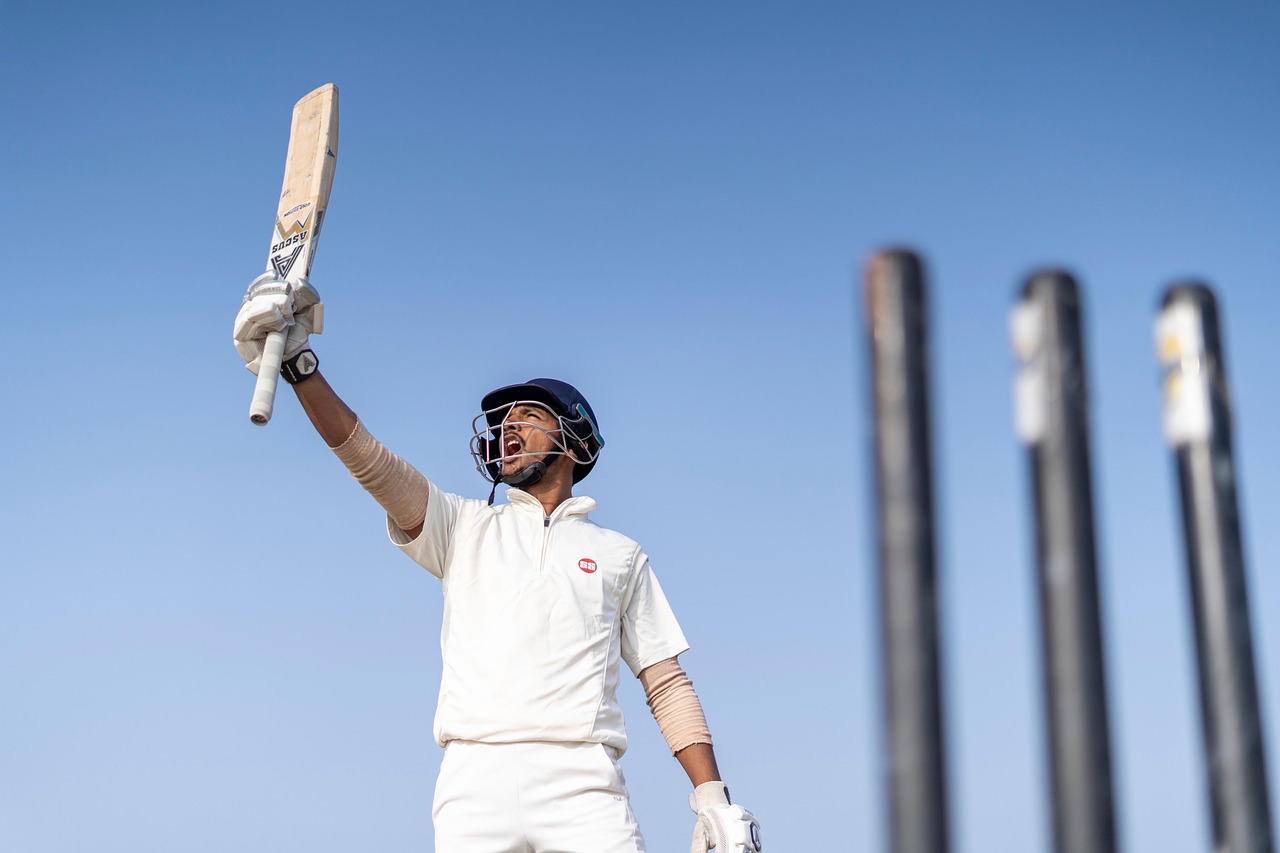
Cover photo by yogendras31 on Pixabay.