
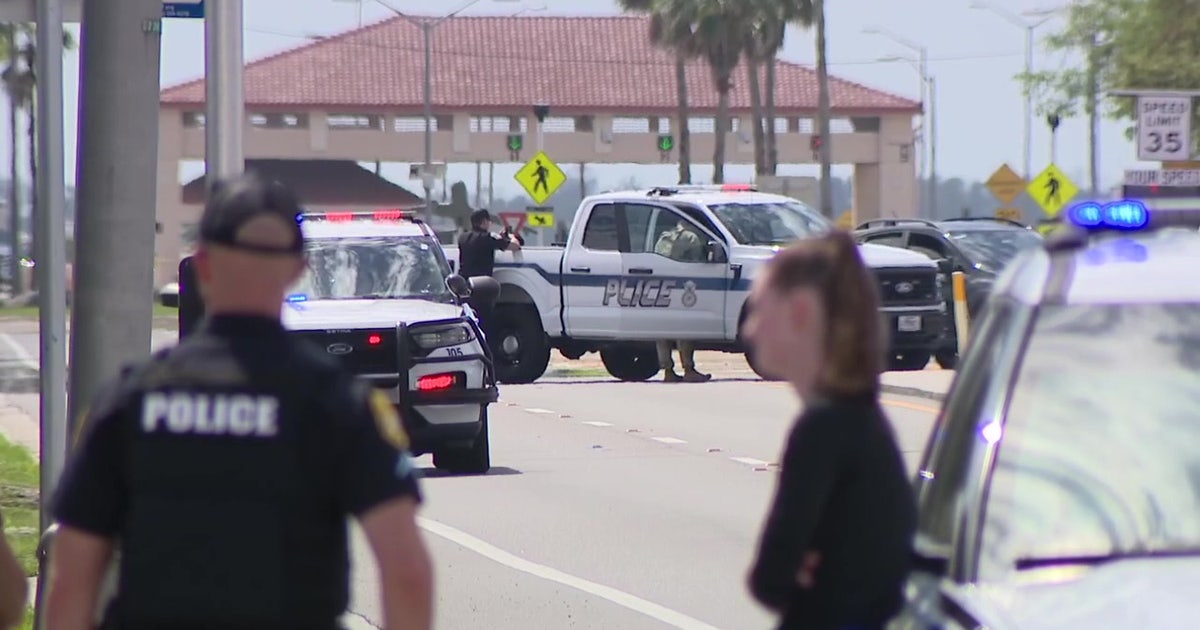
The elevation of MacDill Air Force Base to Force Protection Condition (FPCON) Charlie represents a rigorous defensive pivot following a security incident at the Dale Mabry Gate visitor center. This shift from baseline readiness to an active threat-mitigation posture underscores the vulnerability of installations housing high-value Tier 1 assets, specifically U.S. Central Command (USCENTCOM) and U.S. Special Operations Command (USSOCOM).
Operational Friction and Strategic Hardening
FPCON Charlie is mandated when an incident occurs or intelligence indicates that terrorist action against personnel or facilities is highly likely. Unlike lower protection levels, Charlie-level protocols prioritize perimeter integrity over administrative throughput. This necessitates a reallocation of security forces to critical ingress points, fundamentally altering the logistical flow of the 6th Air Refueling Wing.
The immediate consequence is a deliberate increase in ‘operational friction.’ By requiring 100% identification verification and intensified vehicle inspections, base leadership accepts a reduction in mission velocity to ensure the survival of command-and-control infrastructure. The suspension of ‘Trusted Traveler’ programs further homogenizes the screening process, subjecting all personnel to high-scrutiny filters.
Interagency Response and Federal Oversight
The transition of the suspicious package investigation to the FBI signals the gravity of the breach. This interagency coordination ensures that localized tactical events are cross-referenced with broader national security intelligence. While the physical site was cleared, the retention of FPCON Charlie suggests an ongoing forensic assessment regarding the intent and origin of the device.
For USCENTCOM and USSOCOM, the heightened security environment creates a paradox: while the commands remain insulated from external asymmetric threats, the internal movement of specialized personnel and civilian contractors becomes significantly more encumbered. This logistical bottleneck at the Bayshore Gate—the primary remaining access point—serves as a reminder of the fragility of military-civilian interfaces in urban-integrated bases.
Long-term Posture and Readiness Implications
The decision to maintain elevated readiness reflects a cautious risk-management strategy. A premature return to FPCON Bravo or Alpha could expose the installation to follow-on actions if the initial incident was a ‘probing’ maneuver designed to test response times. Consequently, the 6th Air Refueling Wing must balance its global reach capabilities with the immediate demands of domestic force protection, ensuring that refueling sorties continue despite the stringent ground-level security constraints.
Photo by 12019 on Pixabay.