Strategic De-escalation: The WHCA Dinner Reimagined
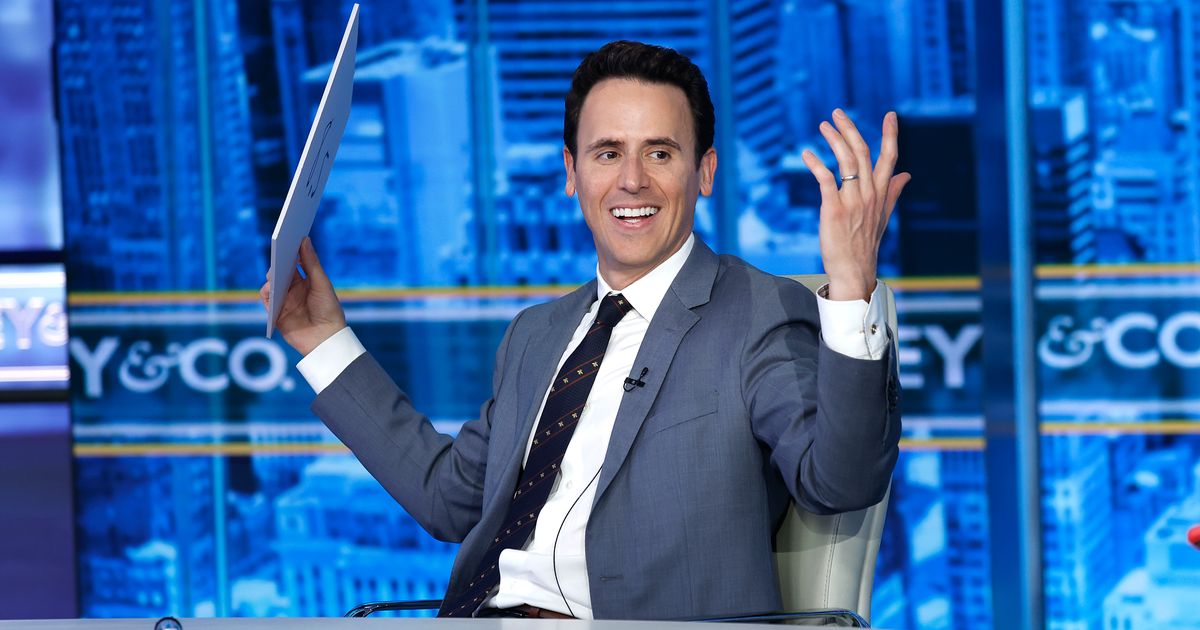
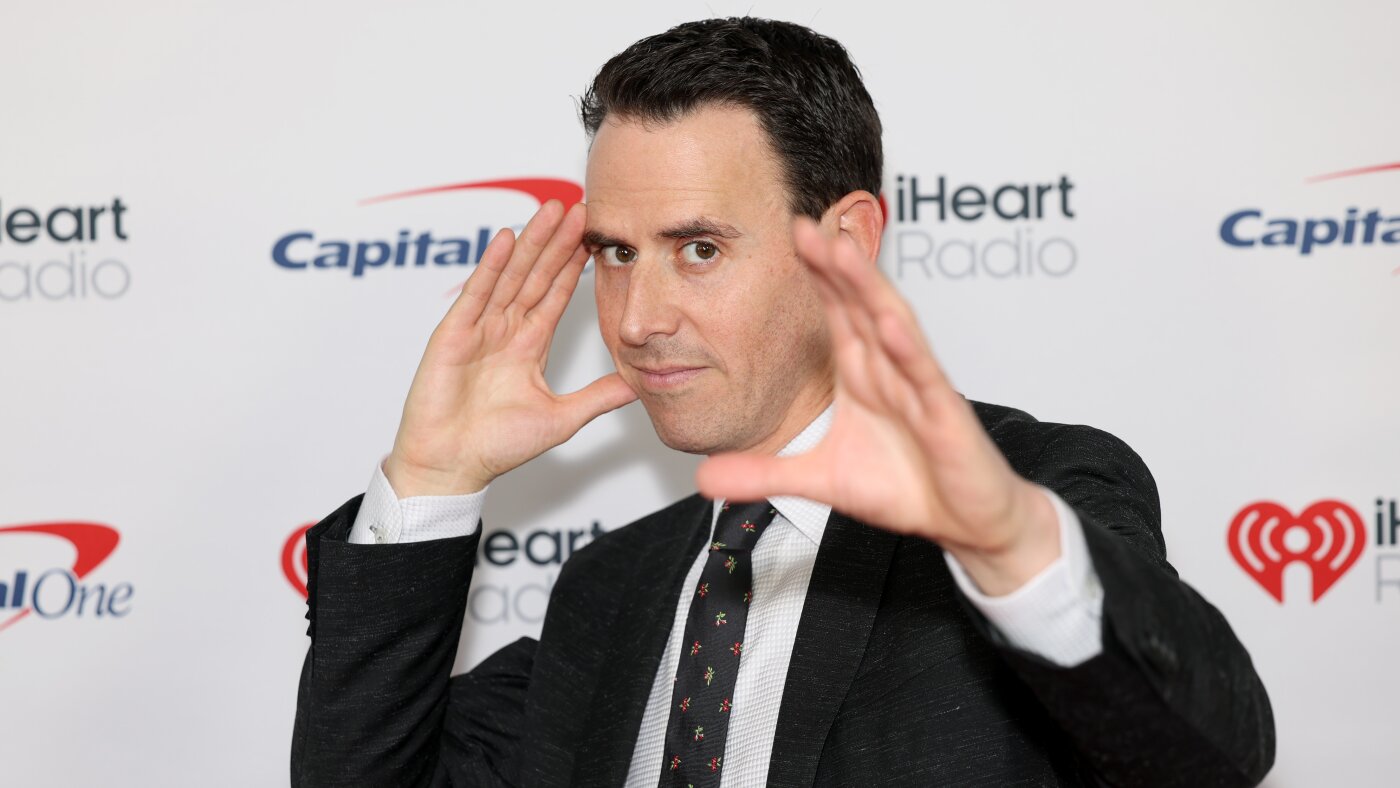
The White House Correspondents’ Association (WHCA) dinner, a century-old institution for political mingling and journalistic recognition, has undergone a significant structural shift in its approach to high-stakes political engagement. Breaking with decades of tradition, the association has replaced the customary comedian host with a mentalist, Oz Pearlman, for its upcoming gala. This decision, described by WHCA President Weijia Jiang as offering an “exciting, fresh, and interactive evening,” represents a calculated move away from the event’s historical function as a platform for political satire and public accountability.
The change in format coincides directly with President Donald Trump’s decision to attend the event for the first time in either of his terms. This convergence suggests a strategic re-evaluation by the WHCA regarding the balance between institutional access and traditional journalistic critique. The association’s pivot from a confrontational format—where comedians often engage in “light ribbing” of political figures—to a non-confrontational entertainment model appears designed to secure the attendance of high-profile political figures who have previously avoided the event.
The Erosion of Institutional Accountability through Entertainment
The WHCA dinner’s tradition, dating back to its first televised broadcast in 1993, centered on the dynamic between power and the press, where both sides engaged in a public ritual of self-deprecation and critique. The source notes that past events allowed for “light ribbing” of presidents, opposition parties, and journalists themselves. This format served as a symbolic mechanism for demonstrating the press corps’ independence and its role in holding power accountable, even in a social setting.
The shift to a mentalist, whose performance focuses on “mind-reading” and “PIN-guessing tricks,” fundamentally alters this dynamic. While Pearlman’s act may offer a “fascinating glimpse into what’s truly on the minds of Washington’s newsmakers,” as stated by Jiang, it replaces direct, confrontational satire with a form of spectacle that avoids political critique. This move effectively sanitizes the event, transforming it from a high-stakes political roast into a more controlled, corporate-style entertainment gala.
The decision to remove the comedian host follows an “extra tempestuous year” between the president and late-night comedians, including figures like Seth Meyers, Jimmy Kimmel, and Stephen Colbert, who have previously hosted the dinner. This context indicates that the WHCA’s strategic pivot is a direct response to the heightened polarization and confrontational nature of modern political discourse. By eliminating the element of political satire, the association seeks to neutralize potential sources of conflict and create a more palatable environment for political figures who are sensitive to public criticism.
Incentives and Strategic Alignment for Stakeholders
For President Trump, the decision to attend the dinner after skipping previous invitations is directly linked to the change in format. The source highlights the infamous 2011 dinner where Trump was subjected to “birtherism jokes” by the host. This historical precedent established a clear disincentive for his participation in events featuring confrontational political humor. The removal of the comedian host eliminates the risk of public humiliation and allows the President to engage with the press corps on terms that are more favorable to his public image.
For the WHCA, the primary incentive appears to be the restoration of institutional relevance and access. The absence of the President in previous years diminished the event’s prestige and media significance. By modifying the format to accommodate the President’s preferences, the association prioritizes securing high-profile attendance over maintaining the event’s traditional role as a platform for critical engagement. This strategic trade-off reflects the challenges faced by legacy institutions in navigating a polarized media landscape where access to power is increasingly conditional on the terms of engagement.
The choice of Oz Pearlman, whose background includes a career on Wall Street and extensive experience performing for corporate clientele, further emphasizes the shift toward a corporate entertainment model. Pearlman’s act, which focuses on individual engagement rather than broad political commentary, aligns with a strategy of creating a controlled, interactive experience that avoids direct political confrontation. This contrasts sharply with the role of a political comedian, whose performance inherently carries the risk of challenging power structures and public figures.
Consequences for Media-Power Dynamics and Institutional Precedent
The WHCA’s decision sets a significant precedent for future interactions between the press corps and political leadership. By accommodating the preferences of a political figure to secure attendance, the association risks creating a perception of journalistic concession. The traditional role of the press corps, often described as a check on power, is symbolically diminished when the institution hosting the event alters its format to avoid critique.
The shift from a “roast” to a spectacle also impacts the media’s self-perception and public image. The source notes the event’s nickname, “nerd prom,” and the ritualistic nature of the “light ribbing.” By removing this element, the WHCA changes the event’s purpose from a high-stakes, public accountability ritual to a more sanitized, corporate-style entertainment event. This transformation raises questions about whether the press corps is prioritizing access and social mingling over its traditional function of critical engagement.
The strategic decision to replace a comedian with a mentalist reveals a calculated effort by the WHCA to prioritize institutional access and relevance over traditional journalistic critique. The move, which coincides with President Trump’s return to the event, reflects a broader trend in media-power dynamics where high-stakes interactions are increasingly sanitized to accommodate political sensitivities. The long-term impact of this shift will be measured by whether the WHCA can maintain its institutional standing without compromising its role as a platform for accountability.