The Strategic Impact of Retail Disruption
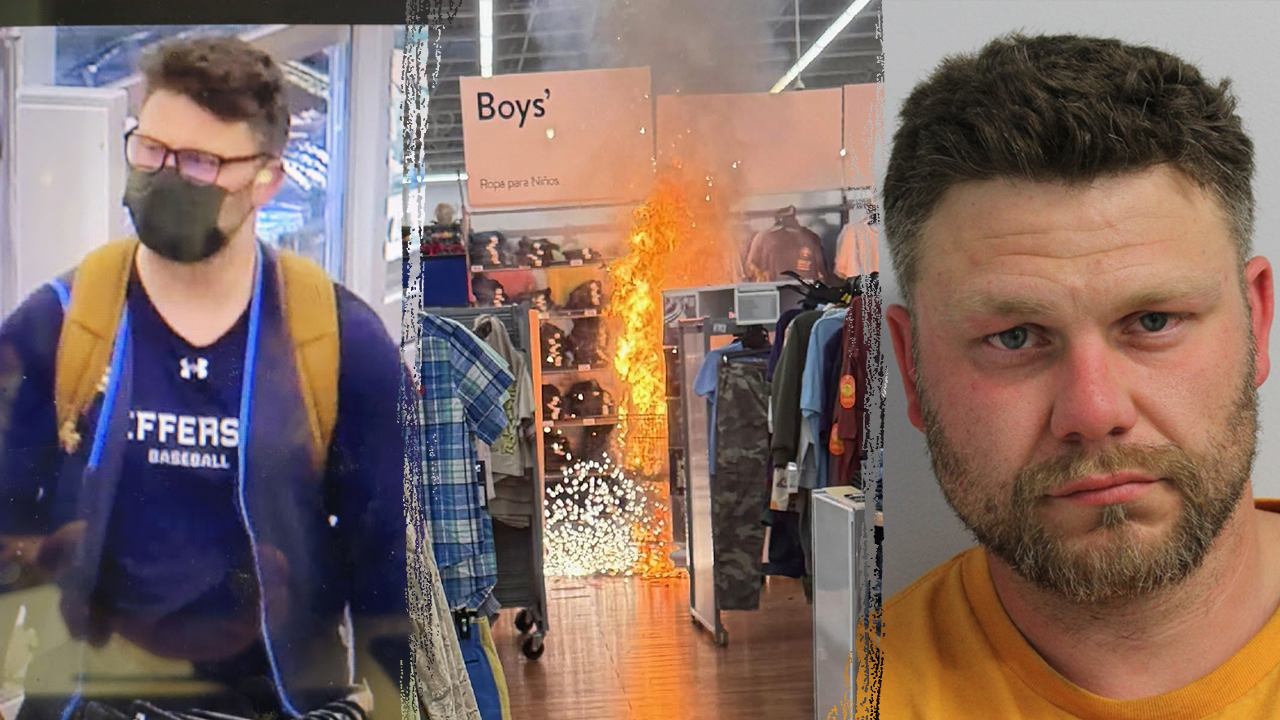
The criminal proceedings against Anthony J. Rhodes for the arson and theft at an Elkton, Maryland, Walmart underscore a dangerous evolution in retail crime. By deploying incendiary devices—specifically camping fuel and fireworks—as a tactical diversion, the assailant effectively neutralized standard surveillance and security response protocols. This event resulted in $10 million in estimated damages, highlighting a critical shift in the risk profile for large-format retailers.
Operational Vulnerabilities and Infrastructure
Retail environments prioritize high-volume throughput and accessibility, creating inherent friction between customer experience and asset protection. The Elkton incident weaponized this tension; the deliberate ignition of flammable materials forced an immediate mass evacuation, clearing the floor of both staff and security personnel. This breach of the jewelry department suggests that current loss prevention models are insufficiently robust against threats that combine facility destruction with tactical theft. Retailers must now reconsider the storage of hazardous goods and the integration of emergency response protocols with active security surveillance.
Financial and Institutional Consequences
The $10 million figure reported by the Maryland State Fire Marshal’s Office encompasses more than the value of stolen jewelry; it reflects comprehensive property damage, prolonged business interruption, and diminished regional market share. For institutional investors and insurers, this incident is a bellwether for systemic risk. The cost of future mitigation—including advanced fire suppression, AI-driven behavioral analytics, and specialized security personnel—now presents a permanent upward pressure on operational expenditure.
The Evolution of Threat Dynamics
The integration of arson into criminal methodology demonstrates a calculated understanding of the emergency response cycle. By exploiting the time window between the initiation of a fire and the arrival of professional responders, perpetrators operate with increased impunity. This forces a transition in security doctrine: retail design must move toward greater compartmentalization and rapid-response containment to limit the efficacy of diversionary tactics. Future security architecture will likely prioritize these defensive strategies to prevent, or at least contain, such high-impact disruptions.
Systemic Risk and Future Mitigation
The Elkton case serves as a benchmark for the fragility of the open-access retail model. While AI-driven threat detection systems offer potential for identifying suspicious patterns before escalation, the fundamental challenge remains: balancing the accessibility of large-scale retail with the necessity of shielding high-value assets from sophisticated, destructive criminal operations.