The Strategic Calculus of Sanctions
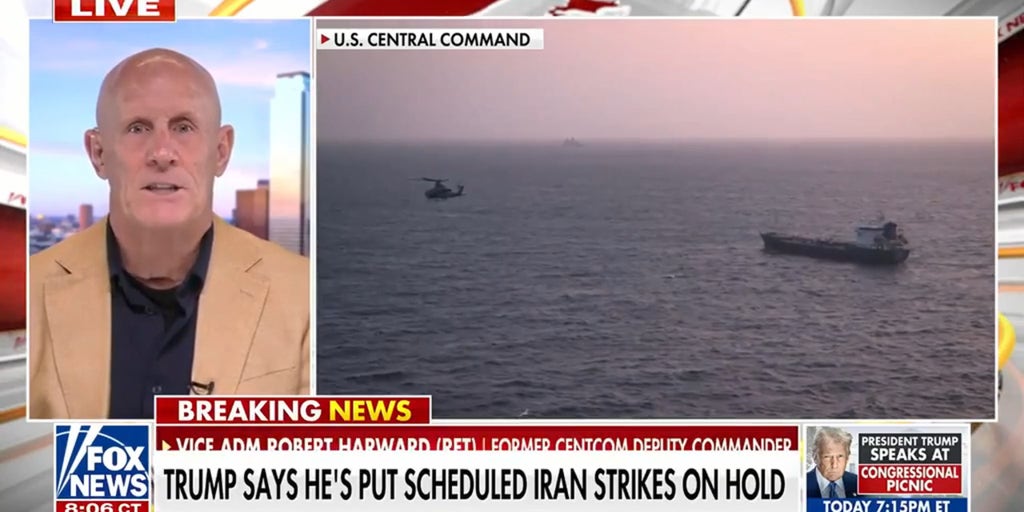
The U.S.-Iran standoff is currently defined by a policy of systematic economic attrition. Retired Vice Admiral Robert Harward, former deputy commander of CENTCOM, suggests that the U.S. is weaponizing time, utilizing a prolonged sanctions regime not merely to negotiate, but to induce structural exhaustion within the Iranian apparatus.
Internal Vulnerabilities and Regime Stability
The efficacy of this containment strategy hinges on Iran’s internal cohesion. Harward identifies that the regime’s operational flexibility is increasingly constrained by external economic pressures. These vulnerabilities are compounded during significant domestic events, such as the Hajj, where public sentiment and regime responsiveness serve as key indicators of domestic stability under financial duress.
Operational Dynamics and Global Leverage
By leveraging global economic isolation, Washington aims to force a recalibration of Tehran’s strategic priorities. This approach relies on the assumption that the cumulative weight of sanctions will eventually outpace the regime’s capacity to subsidize its internal control mechanisms and regional influence. As global markets fluctuate, the cost of maintaining this resistance becomes increasingly prohibitive, forcing the Iranian government into a reactive posture.
Institutional Implications for Regional Stability
The U.S. strategy prioritizes non-kinetic leverage to achieve long-term national security objectives, emphasizing patience over immediate escalation. This institutional framework shifts the burden of risk onto the regime, creating a volatile environment where minor policy adjustments can lead to significant downstream instability. Consequently, the standoff has created a ripple effect across regional supply chains and market confidence, likely cementing current tensions as a permanent feature of the regional landscape.
The Convergence of Diplomacy and Economic Force
This integration of financial warfare into modern diplomacy represents a departure from traditional engagement models. Its success is contingent upon sustained international alignment and the U.S.’s ability to manage secondary market effects. Until tangible changes in regime behavior emerge, the conflict remains a delicate balance between strategic restraint and calculated economic pressure.