Tactical Blueprint: Navigating Strasbourg’s Offensive Void
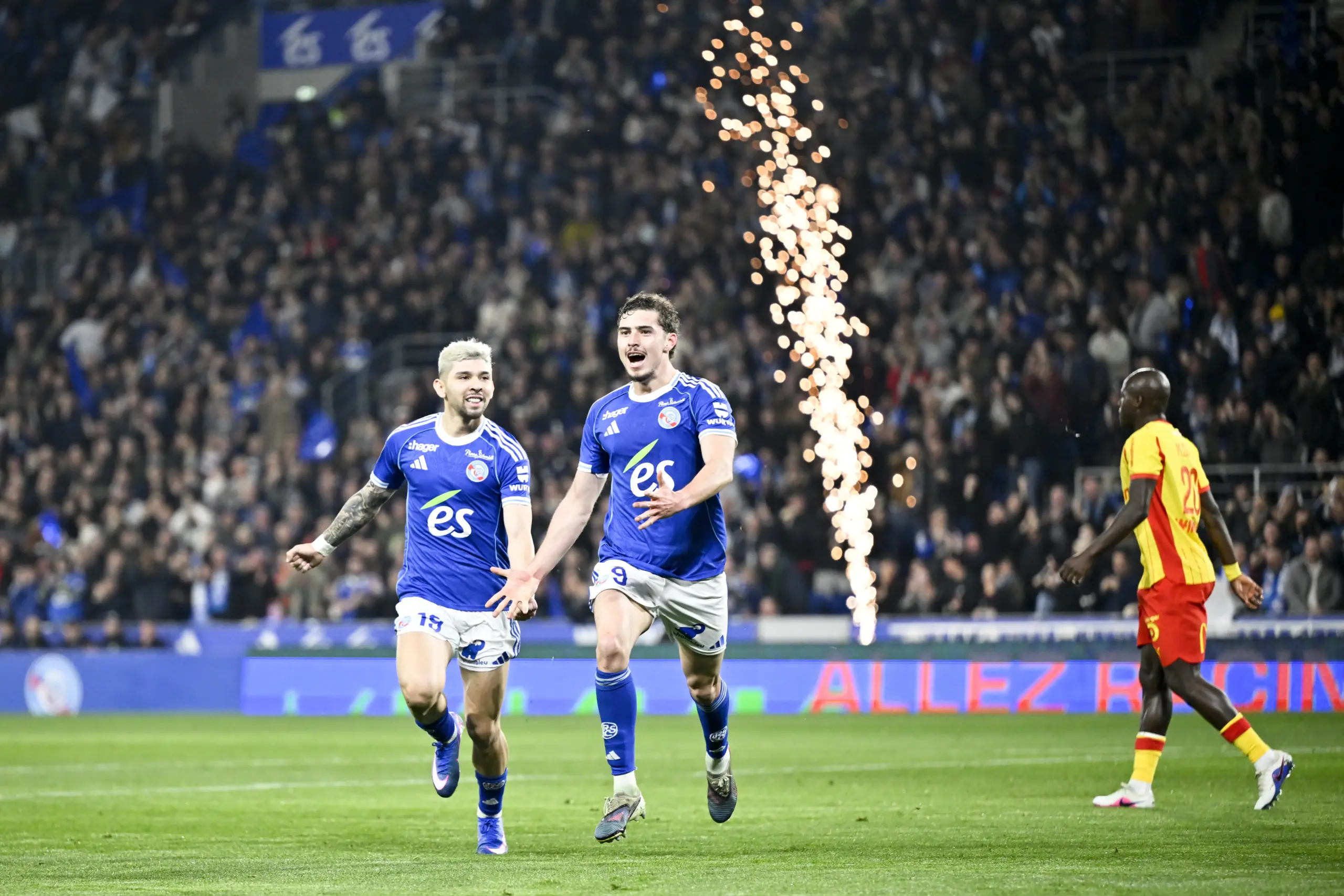
As RC Strasbourg Alsace enters the UEFA Conference League Round of 16 against HNK Rijeka, the narrative is dominated by Gary O’Neil’s forced structural realignment. The absence of Diego Moreira and Emanuel Emegha removes the team’s primary sources of verticality and offensive dynamism. This tactical vacuum necessitates a pivot toward a more methodical build-up, placing immense creative pressure on Julio Enciso in the No. 10 role. Enciso’s ability to manipulate Rijeka’s low block will determine whether Strasbourg can manufacture high-quality chances or succumb to a stalemate.
HNK Rijeka enters this tie with a proven defensive pedigree, evidenced by their disciplined goalless draw against Shakhtar Donetsk. Their tactical identity revolves around a compact 4-4-2 or 5-4-1 configuration designed to minimize space between the lines. For Strasbourg, the challenge is not merely technical but psychological; they must maintain organizational discipline to avoid the clinical counter-attacking transitions that Rijeka utilized to dismantle NK Celje and AC Omonia.
Personnel Shifts and the Chilwell Factor
With Aaron Anselmino sidelined by muscular issues, the defensive burden shifts to the pairing of Ismael Doukouré and Andrew Omobamidele. However, the most significant tactical adjustment lies on the left flank. Ben Chilwell’s inclusion is a strategic move to inject veteran leadership into a relatively inexperienced squad. Chilwell is expected to function as an auxiliary playmaker from deep, using his elite crossing ability to bypass Rijeka’s midfield screen and find Joaquín Panichelli.
In the absence of established wingers, Abdoul Ouattara’s selection over Gessime Yassine indicates O’Neil’s preference for physical presence and work rate. The midfield duo of Samir El Mourabet and Valentin Barco must provide a stable platform, ensuring that young goalkeeper Mike Penders is protected from isolation during Rijeka’s direct long-ball sorties. Penders faces a definitive litmus test of his composure within the hostile atmosphere of the Stadion HNK Rijeka.
Lille’s Strategic Rematch and the Villa Midfield Crisis
Simultaneously, Lille OSC prepares for a high-stakes continental encounter against Aston Villa. This fixture is a direct test of Bruno Génésio’s ability to leverage a veteran core—comprising Olivier Giroud, Benjamin André, and Chancel Mbemba—against the tactical fluidity of Unai Emery’s side. Lille’s objective is to exploit a significant personnel deficit in Villa’s midfield, as the Premier League side travels without the anchoring presence of Youri Tielemans and Boubacar Kamara.
The potential absence of John McGinn further compromises Villa’s ability to transition from defense to attack. This midfield vacuum offers Lille a strategic window to dictate tempo and dominate possession. However, Emery’s historical mastery of European knockout formats suggests Villa will prioritize a pragmatic, set-piece-heavy approach to negate Lille’s technical advantages. The outcome of these ties carries significant weight for the Ligue 1 UEFA coefficient, influencing future Champions League allocations.
Institutional Stakes and the Road to Leipzig
For Strasbourg, progression to the quarter-finals represents a benchmark for the club’s multi-club ownership model and recruitment strategy. Successfully navigating a knockout tie despite missing key assets like Emegha would validate the depth of the current roster. With the final in Leipzig as the ultimate objective, the margin for error in this two-legged format is non-existent. The tactical battle in Rijeka will serve as a barometer for Strasbourg’s maturity on the European stage and their ability to sustain performance levels amidst a mounting domestic and continental workload.