
Strategic Narrative Expansion within the Star Trek Franchise
The vast Star Trek universe, a cornerstone of speculative fiction, continuously evolves its narrative tapestry through various media. Recent initiatives demonstrate a strategic effort to enrich established lore and revisit foundational elements, particularly concerning the iconic Klingon species and the enduring legacies of key characters. This ongoing development highlights the intricate process of managing continuity and expanding narrative depth within a long-running global franchise.
One notable observation from the franchise’s trajectory emerged with Star Trek: Discovery. Its third season, while introducing the 32nd-century era and exploring the catastrophic event known as ‘The Burn,’ largely focused on its immediate narrative and character arcs. This narrative choice, inherent to any serialized production, meant that detailed insights into certain long-standing elements of the franchise, specifically the Klingons, were not a primary focus during that specific period.
Such a development is common within extensive media properties, where different series or installments may prioritize distinct narrative themes, character explorations, or temporal settings. The absence of a deep dive into Klingon culture in Discovery‘s 32nd century allowed for other elements of that future timeline to take precedence, demonstrating how narrative bandwidth is allocated across a complex fictional universe.
However, the sustained interest in the Klingon species, a foundational alien culture within Star Trek canon, has prompted subsequent narrative initiatives designed to address these areas of untapped potential. The continued existence of a vast, detailed lore system means that opportunities for expansion and re-contextualization are perpetually available, often through new series or complementary media formats.
Reinterpreting the Klingon Identity: Versatility and Complex History
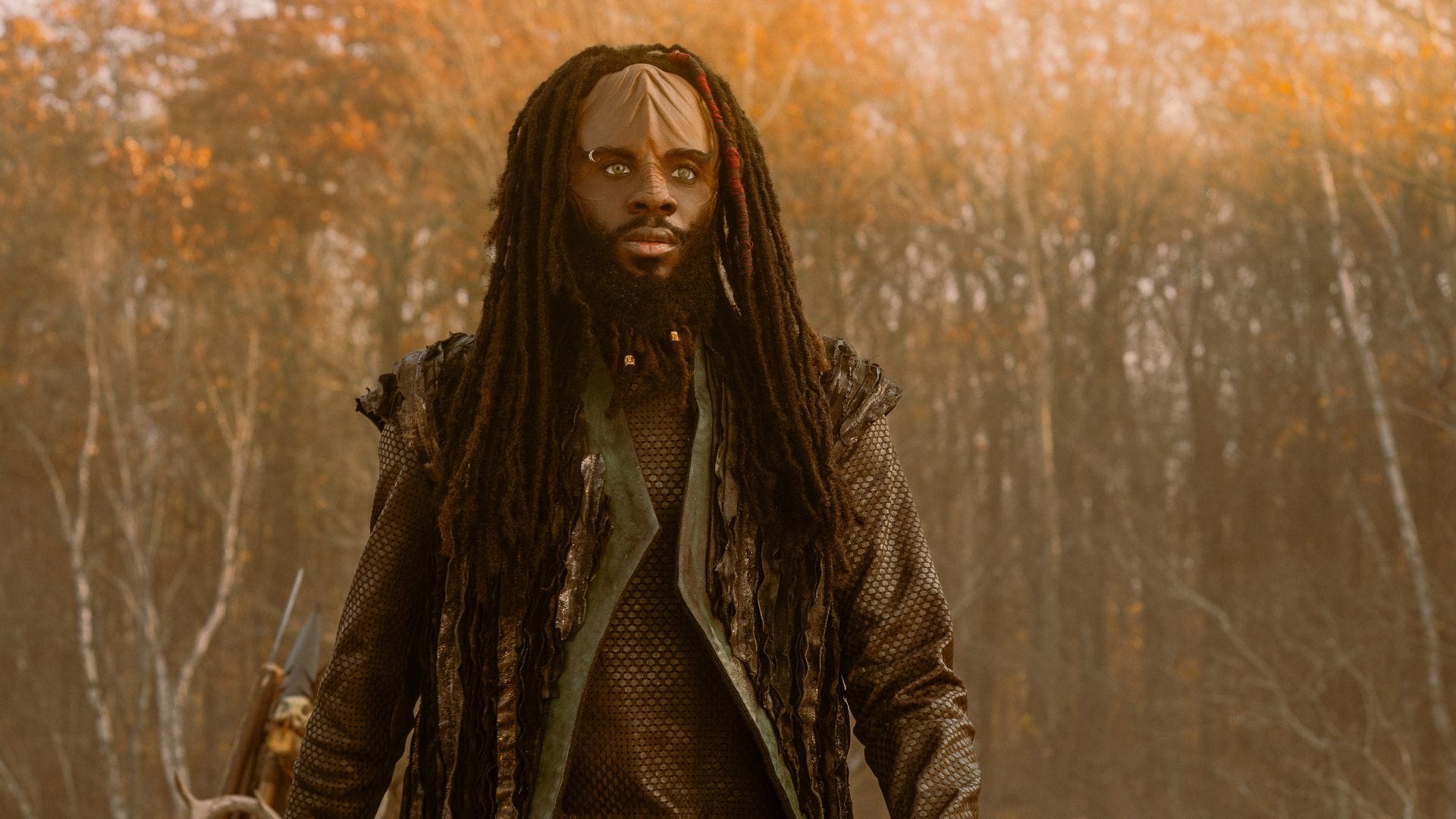
The contemporary narrative strategy for Star Trek appears to be actively engaging with and evolving the established perceptions of the Klingon species. A recent episode of the new Starfleet Academy series, titled ‘Vox in Excelso,’ explicitly positions Klingons as the ‘most versatile species in Star Trek.’ This statement marks a significant reinterpretation of a species often stereotyped within popular culture.
Historically, Klingons have been frequently portrayed with monolithic characteristics: loud, aggressive, honor-bound warriors with distinct cultural markers such as elaborate table manners (or lack thereof). The claim of ‘versatility’ directly challenges these entrenched perceptions, suggesting a deliberate effort by the franchise to expand the species’ representational scope. Such narrative shifts are crucial for maintaining the dynamism of long-established fictional cultures, preventing them from becoming static caricatures and opening new avenues for storytelling.
The concept of Klingon versatility implies a broader spectrum of behaviors, motivations, and societal roles than previously emphasized. This allows for more nuanced character development, subverts audience expectations, and provides writers with a richer palette for exploring themes of identity, culture, and interspecies relations within the Star Trek universe. It transforms a potentially one-dimensional archetype into a more complex and multifaceted entity, reflecting modern storytelling sensibilities that often seek to deconstruct stereotypes.
Further complementing this reinterpretation is the announcement of a new Star Trek comic that promises to reveal ‘The Dark History Of The Klingons Before ‘Starfleet Academy’.’ The introduction of a ‘dark history’ suggests a deep dive into the foundational events, conflicts, or ethical dilemmas that shaped Klingon society long before their more familiar interactions with Starfleet. This kind of retroactive lore expansion serves several critical functions within a franchise.
Firstly, it enriches the foundational mythology of the species, providing deeper context for their present-day characteristics and historical trajectory. By exploring a ‘dark history,’ the narrative can introduce elements of past struggles, moral ambiguities, or internal societal transformations that explain the evolution of Klingon culture and its enduring emphasis on concepts like honor and conquest. This creates a more layered understanding, moving beyond superficial portrayals to examine the roots of their civilization.
Secondly, supplemental media like comics play a vital institutional role in expanding a franchise’s canon. They offer a flexible platform for exploring backstory, niche narratives, or periods that might not be suitable for primary television productions. This allows for a deeper and more granular exploration of lore without disrupting the main narrative flow of ongoing series. The ‘before Starfleet Academy’ setting specifically targets a historical gap, indicating a strategic effort to fill in the blanks of the fictional timeline.
The combination of highlighting Klingon ‘versatility’ in an episodic series and exploring their ‘dark history’ in a comic signifies a concerted, multi-platform approach to revitalizing and deepening the understanding of one of Star Trek’s most iconic alien species. This institutional strategy ensures that even long-standing elements of the franchise can continue to surprise and engage audiences by offering new perspectives and layers of complexity.
Honoring Legacies and Maintaining Continuity
Beyond the re-exploration of alien species, the Star Trek franchise consistently demonstrates an institutional commitment to honoring its own extensive history and the legacies of its pivotal characters. The mention of Tawny Newsome and Cirroc Lofton honoring Sisko’s legacy in Star Trek: Starfleet Academy underscores this commitment to continuity and the reverence for established canonical figures.
Benjamin Sisko, a central figure from Star Trek: Deep Space Nine, holds a significant place in the franchise’s narrative and cultural impact. His legacy represents themes of leadership, sacrifice, and the complexities of command within Starfleet. The act of ‘honoring’ this legacy, particularly through new content featuring actors who have previously engaged with the Star Trek universe or its themes, reinforces the interconnectedness of the entire franchise.
The implicit connection to Avery Brooks, the actor who portrayed Commander (and later Captain) Sisko, further emphasizes the multi-generational appeal and enduring impact of specific character portrayals. Such acknowledgments serve as a bridge between different eras of Star Trek, connecting new narratives to foundational stories and characters that resonate deeply with long-time fans. This strategic callback also allows for new audiences to be introduced to the rich history of the franchise through contemporary storytelling vehicles.
From an institutional perspective, the honoring of character legacies is crucial for maintaining narrative cohesion and brand identity across decades of content. It reassures audiences that new productions respect and build upon the established canon, rather than ignoring it. This approach fosters a sense of continuity and appreciation for the franchise’s rich historical development, reinforcing the idea of a singular, evolving universe.
The strategic deployment of new series and supplemental comics to expand lore, reinterpret established species, and honor character legacies reflects a sophisticated approach to franchise management. It ensures that the Star Trek universe remains dynamic and relevant, continuously offering new perspectives on its beloved elements while maintaining deep connections to its storied past. This multi-pronged strategy demonstrates how a major media property sustains its vitality through deliberate narrative planning and respectful engagement with its extensive canon.
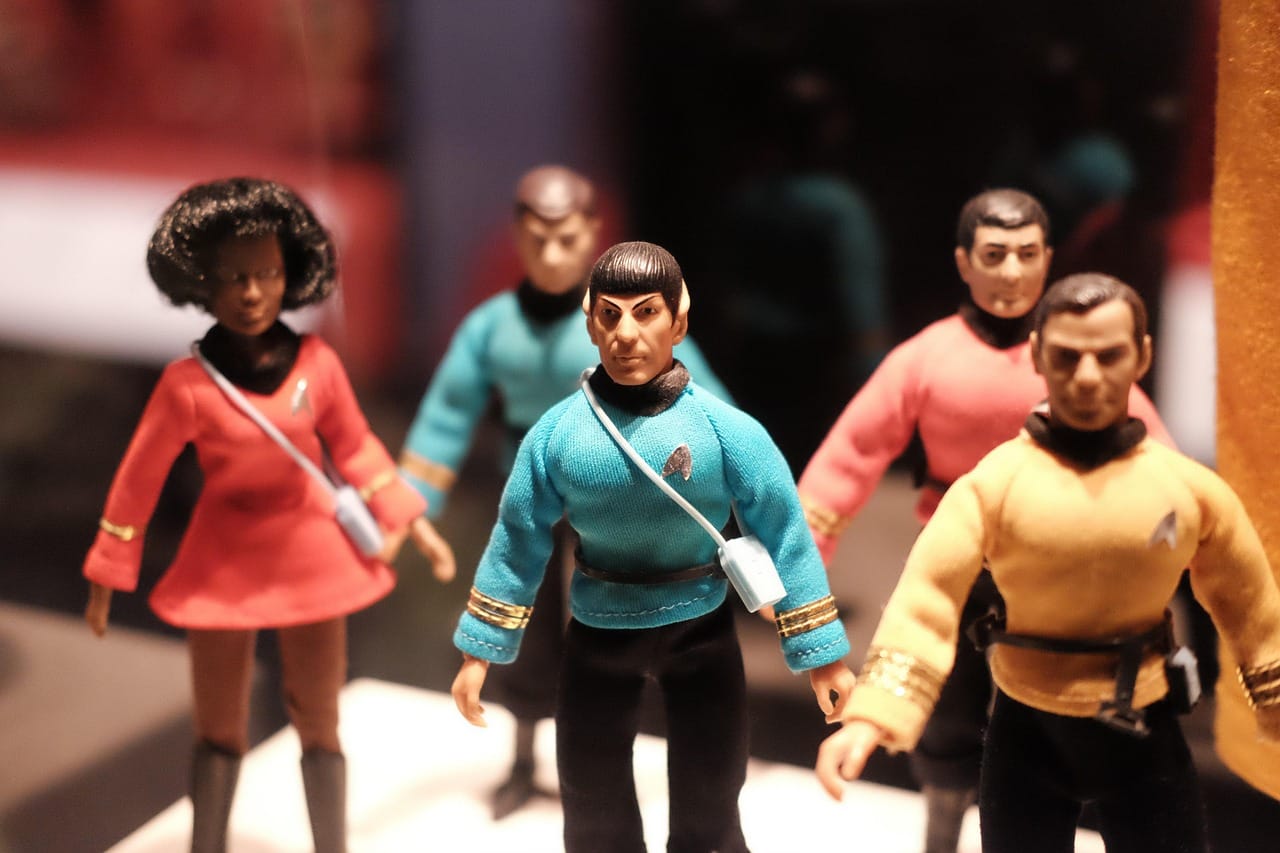
Photo by henlfern on Pixabay.