The 2026 sports landscape is defined by the convergence of institutionalized youth development and the scientific optimization of elite performance. This shift is exemplified by the aggressive global scaling of the Teddy Padel Academy and the sophisticated physiological load management employed by England manager Thomas Tuchel during the FIFA World Cup. Both cases underscore a transition toward specialized, data-informed management as a prerequisite for competitive sustainability.
Strategic Institutionalization of Early-Years Padel
Teddy Padel Academy has leveraged two decades of pedagogical expertise to launch a franchise model targeting the 2.5 to 8+ age demographic. By expanding across Europe, the Middle East, Africa, and the Americas, the academy is capturing the ‘early-mover’ advantage in the padel sector—currently the world’s fastest-growing racket sport. This expansion is not merely geographic; it is a strategic effort to formalize a foundational athletic pipeline using a proprietary ‘See It, Hear It, Do It’ methodology.
The academy’s entry into markets like the UAE, Saudi Arabia, and Mexico reflects a calculated alignment with regional investments in sports infrastructure and youth health. By utilizing custom-engineered equipment and sensory-motor integration through music and narrative, the franchise de-risks the entry point for young athletes. This systemic approach reduces reliance on individual coach charisma, ensuring a scalable, high-quality product across diverse regulatory and cultural environments.
Physiological Load Management in the World Cup Cycle
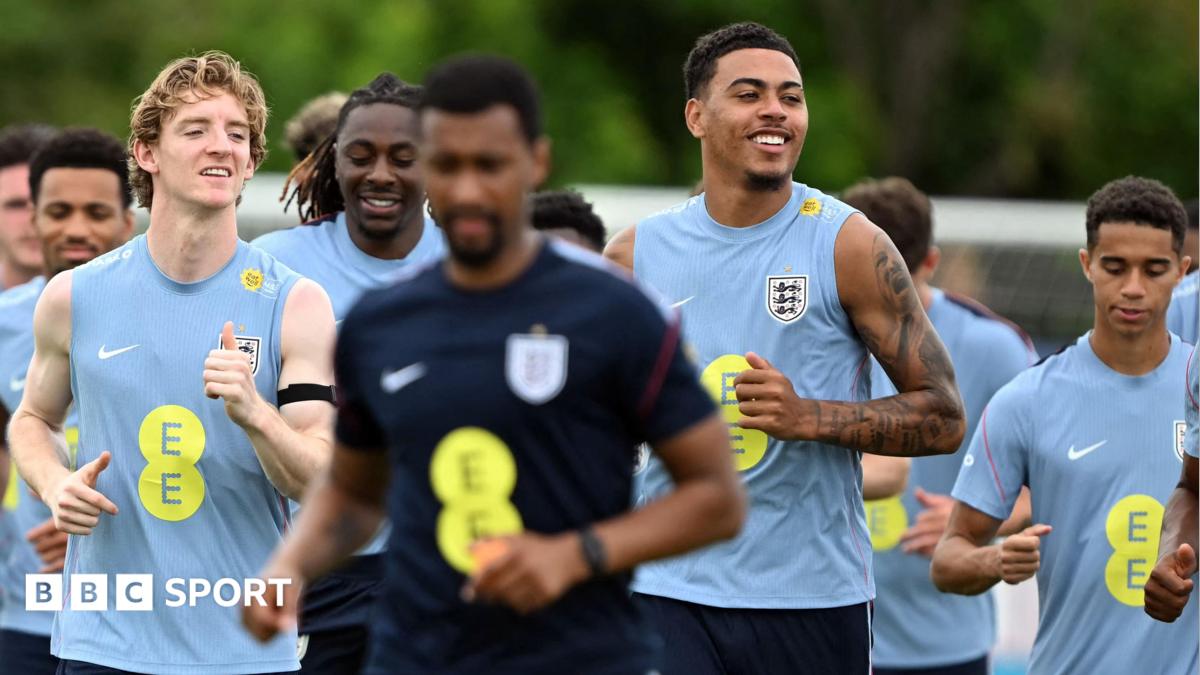
In the elite tier, England’s 2026 World Cup campaign provides a case study in high-altitude recovery science. Following a physically taxing 3-2 victory over Mexico at the Azteca Stadium, manager Thomas Tuchel implemented a radical recovery protocol. Recognizing that the hypoxia of Mexico City induces a specific physiological ‘debt,’ Tuchel prioritized Central Nervous System (CNS) restoration by granting players an offsite family day in Prairie Village, Kansas.
This tactical pause, occurring between the intense Mexico clash and the upcoming quarter-final against Norway, replaces traditional high-intensity training with ‘walkthrough’ sessions. This shift emphasizes energy conservation and psychological decompression—essential for mitigating the ‘tournament fatigue’ that often plagues squads in the knockout stages. The move from the altitude of Mexico to the Midwest serves as a recalibration period, aligning physical readiness with the high cognitive demands of the quarter-finals.
Synthesizing Grassroots and Elite Optimization
The parallel between Teddy Padel’s pedagogical framework and the England squad’s recovery cycle lies in the application of biopsychosocial principles. While the academy uses rhythm and characters to lower the cognitive load for toddlers, Tuchel uses social support and environmental changes to lower the stress response in elite professionals. Both strategies acknowledge that athletic success is increasingly dependent on specialized knowledge that transcends traditional coaching.
As the sports industry continues to globalize, the ability to replicate high-performance environments—whether in a suburban Kansas training camp or a franchise padel court in Dubai—will distinguish market leaders. The 2026 World Cup and the rise of specialized youth academies signal an era where the margin for victory is found in the scientific management of the athlete’s total environment, from their first swing to their final recovery session.