Shakira’s Strategic Re-entry: Redefining Market Presence in Spain
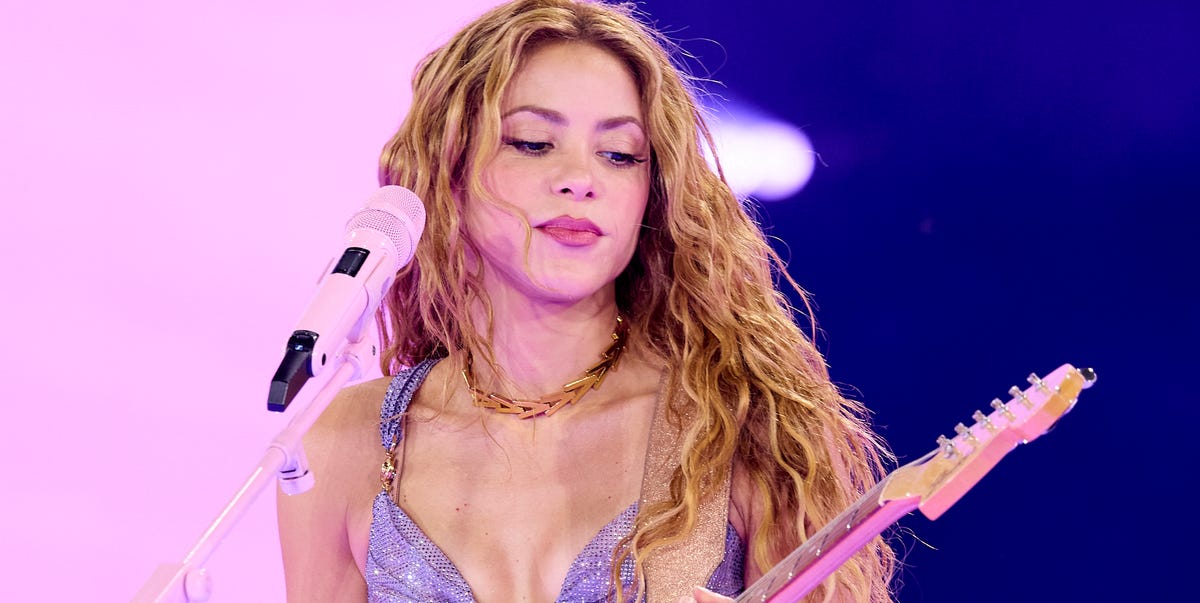
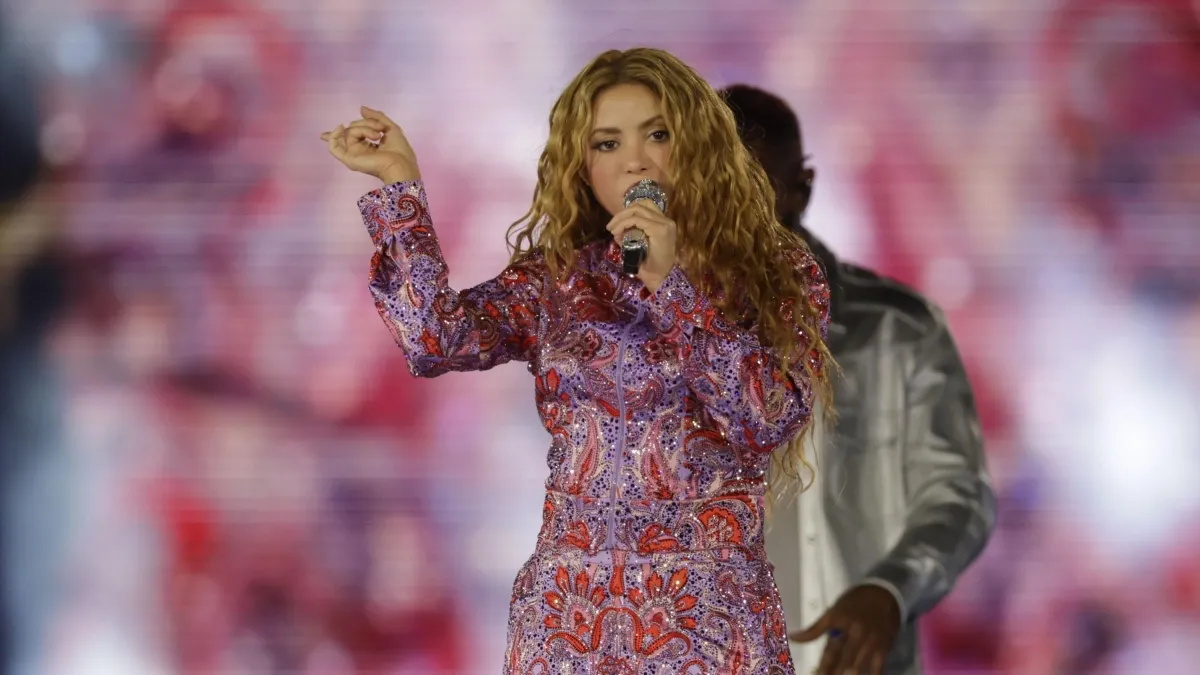
Shakira’s launch of her ‘Las Mujeres Ya No Lloran’ world tour residency in Madrid marks a calculated strategic re-entry into a crucial European market. This event, her first performance on Spanish stages in eight years, follows a period of profound personal and professional transformation.
Strategically timed over three years post-relocation from Spain amidst her widely publicized separation from Gerard Piqué, this residency transcends a mere concert series. It represents a meticulously orchestrated re-establishment of her market presence and a deliberate leveraging of her evolving personal narrative within her artistic output, setting a new precedent for artist brand management.
Narrative as a Catalyst for Market Repositioning
The album title, ‘Las Mujeres Ya No Lloran,’ directly conveys a thematic arc of resilience and personal transformation. This resonates powerfully with public awareness of her recent life events, strategically reframing personal experience into a potent artistic statement. This approach intensifies audience engagement and reinforces her brand as a global emblem of female strength and autonomy, directly impacting her market standing.
This narrative-driven strategy fosters a profound, authentic connection with her audience, converting personal vulnerability into a universal message of empowerment. Beyond driving album sales and tour attendance, it critically solidifies her cultural relevance and distinguishes her brand within a highly competitive global music landscape, ensuring sustained market visibility.
Strategic Operationalization: The Madrid Residency Model
Establishing a tour residency in a major European capital such as Madrid entails significant operational logistics and substantial financial investment. This concentrated format offers unparalleled market penetration, optimizing resource allocation and maximizing media visibility compared to diffuse, multi-city tours. It facilitates deeper engagement with a key demographic while mitigating logistical complexities inherent in broad touring schedules.
Anchoring the tour in Spain, a nation with profound cultural ties to Latin music and a robust audience base, highlights a strategic imperative: to re-assert and consolidate her artistic influence in a region previously dominated by personal narratives. This move meticulously redirects public discourse from her private life towards her artistic contributions and commercial prowess, capitalizing on localized cultural affinity.
Cultivating Ibero-American Talent: An Ecosystemic Contribution
Beyond her direct performances, Shakira’s initiative to curate “lo mejor del talento iberoamericano” at the ES Latina event during her residency’s opening weekend underscores a broader strategic vision. This move elevates her role from performer to cultural architect and indispensable facilitator within the Latin music ecosystem, amplifying her long-term influence.
The diverse roster, featuring artists like Guitarricadelafuente, Santos Bravos, and Lia Kali among approximately twenty others, signifies a deliberate commitment to nurturing emerging talent. This not only enriches the cultural landscape of the event but also strategically enhances her institutional leverage within the industry, positioning her as a vital patron for the next generation of artists and ensuring the continued vitality of Latin music’s global footprint.
Multi-Generational Resonance and Enduring Brand Equity
The documented fan experience, recalling childhood memories of ‘Estoy aquí’ and re-engaging with that sentiment decades later at a live concert, powerfully illustrates Shakira’s profound multi-generational appeal. This enduring emotional connection is a cornerstone of her sustained brand equity, showcasing the timeless quality and cultural impact of her discography. Such deep-rooted loyalty across diverse age demographics provides an invaluable foundation for long-term career viability and market influence, effectively transforming nostalgia into a potent driver of engagement and commercial success within the entertainment industry.
Strategic Media Leverage and Multi-Platform Distribution
EL TIEMPO’s extensive promotional framework for Shakira’s return serves as a critical case study in contemporary media strategy, demonstrating a sophisticated grasp of audience segmentation and content distribution within a fragmented digital ecosystem.
The strategic deployment of ViX, a streaming service, underscores the imperative of video-on-demand platforms for reaching expansive Spanish-speaking audiences with rich entertainment content. This channel facilitates deeper immersive engagement, significantly extending event reach beyond conventional news formats and enhancing viewer retention.
Leveraging social media platforms like Facebook and X (formerly Twitter) ensures real-time news dissemination and cultivates robust community engagement around high-profile events. These channels are indispensable for immediate updates, viral amplification, and direct audience interaction, maximizing event visibility and fostering dynamic public discourse.
The integration of a weekly newsletter, Google News, and WhatsApp channels exemplifies a multi-pronged, precision-targeted content delivery approach. Newsletters serve curated, in-depth consumption; Google News optimizes algorithmic discovery for broad reach; and WhatsApp provides immediate, direct-to-consumer updates, collectively addressing diverse audience preferences and consumption habits.
Crucially, the emphasis on the EL TIEMPO app and digital subscription models highlights a strategic pivot towards proprietary platforms and monetized content. This reflects an industry-wide imperative to cultivate direct reader relationships and secure recurring revenue streams through premium, authoritative journalistic offerings.
This integrated media strategy—spanning streaming, social media, direct messaging, algorithmic aggregation, and subscription services—establishes a robust operational framework designed for maximal audience penetration and sustained engagement for culturally significant events. It illustrates an advanced adaptive approach by media organizations to evolving consumption paradigms, crucial for maintaining relevance and financial resilience.
Financial and Operational Imperatives of Media Diversification
The investment in a multi-channel distribution strategy by media entities such as EL TIEMPO entails substantial financial and operational imperatives. Each platform necessitates dedicated resources for content creation, sophisticated management, and granular audience analytics, collectively presenting a complex operational overhead.
Conversely, the strategic returns are significant: expanded advertising revenue, accelerated subscription uptake, and fortified brand loyalty across diverse demographics. This diversification actively mitigates risks inherent in single-channel reliance, ensuring comprehensive market penetration and sustained audience engagement, which is paramount in a volatile media landscape.
EL TIEMPO’s promotion of ViX’s “entretenimiento sin límites con más de 100 canales; totalmente gratis y en español” exemplifies a dual-tier strategy. This model leverages free content acquisition to significantly broaden the top of the sales funnel, simultaneously guiding users toward premium subscription offerings. This tiered approach is critical for converting casual viewers into loyal, monetizable subscribers—a foundational financial model for resilience in digital media.
Long-Term Ecosystemic Impact and Industry Transformation
Shakira’s meticulously strategized return, underpinned by a compelling personal narrative and amplified through sophisticated multi-platform media engagement, transcends a mere concert series. It fundamentally recalibrates her long-term ecosystemic leverage, positioning her as an influential arbiter of industry trends and a catalyst for talent development within the global Latin music sector.
The deliberate cultivation of Ibero-American talent at ES Latina contributes structurally to the industry’s evolution, actively fostering cross-border collaboration and artistic cross-pollination. This initiative is poised to generate novel artistic partnerships and expand market opportunities, thereby enriching the broader cultural economy and solidifying Latin music’s global ascendancy.
Furthermore, the extensive multi-platform distribution strategies deployed by media partners like EL TIEMPO exemplify the accelerating evolution of content consumption and monetization paradigms. These dynamic operational and financial models are fundamentally reshaping news and entertainment delivery, prioritizing immediacy, hyper-personalization, and diversified, resilient revenue streams for the entire media landscape.
Ultimately, these convergent developments signify a pivotal era of strategic re-alignment for both the artist and the media industry. Shakira’s re-entry is not simply an event; it is a multi-faceted strategic maneuver designed to powerfully consolidate her artistic legacy, expand her profound cultural influence, and masterfully navigate the intricate complexities of modern, digitally-driven media engagement.