
MLB Postseason Elimination Signals Strategic Realignments
As the 2026 Major League Baseball regular season concludes, a significant contingent of teams has been mathematically excluded from postseason contention. This early exit, particularly for clubs with substantial payroll commitments, highlights persistent challenges in translating financial investment into on-field success and playoff revenue. These franchises face a critical juncture, necessitating a strategic re-evaluation of operational priorities and future competitive trajectories.
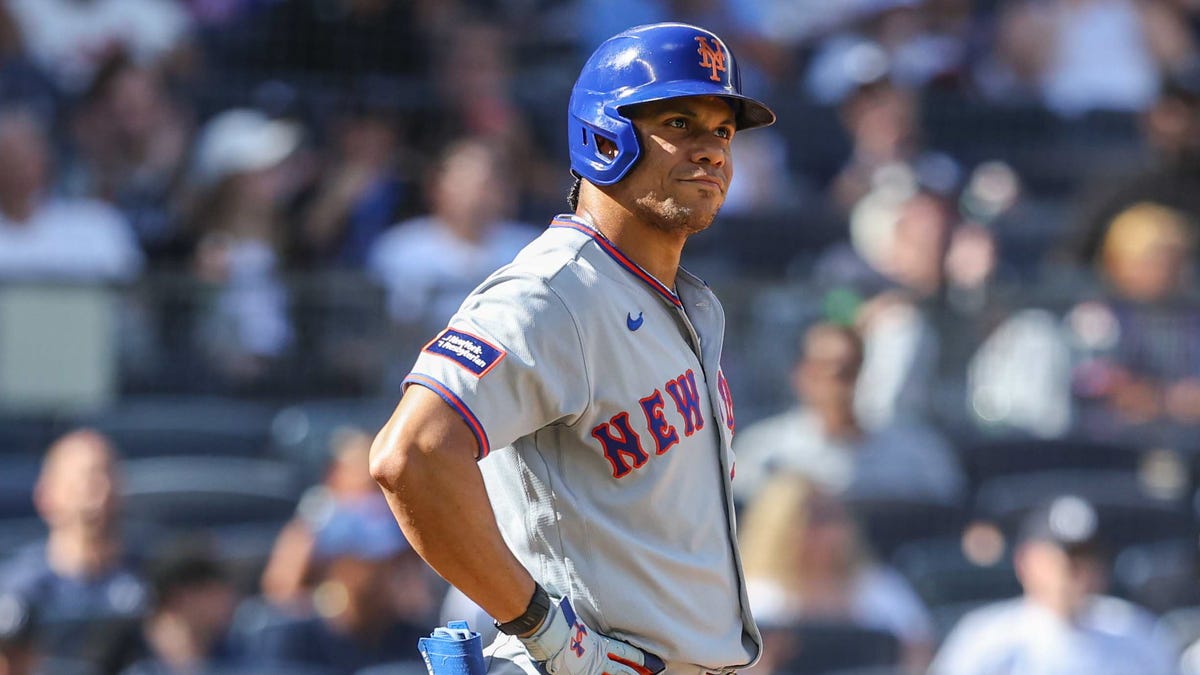
The exclusion of teams like the New York Mets, carrying over $375 million in payroll, from the 2026 playoffs underscores a disconnect between expenditure and performance. This financial strain, coupled with the absence of lucrative playoff revenue, creates a fiscal imperative for these organizations to reassess player acquisition, development, and management strategies. The competitive landscape of MLB is increasingly defined by efficient resource allocation, compelling these high-spending, non-contending clubs to justify their financial outlays to ownership and fan bases.
American League Teams Facing Offseason Reassessment
In the American League, the Athletics, Detroit Tigers, Kansas City Royals, Los Angeles Angels, and Minnesota Twins have been eliminated from playoff contention. This widespread elimination across various market sizes and payroll structures suggests systemic issues beyond individual team performance, potentially reflecting broader league-wide competitive balance concerns or market saturation effects.
The Athletics’ elimination indicates that even leaner operational models face the pressures of a highly competitive league. For the Tigers and Royals, sustained periods of non-contention raise questions about the efficacy of their long-term developmental pipelines and scouting operations. The Los Angeles Angels, despite significant individual talent, continue to grapple with translating star power into team success, impacting fan engagement and market potential.
The Minnesota Twins’ early exit, following periods of divisional success, suggests that maintaining a competitive edge requires continuous strategic adaptation. This pattern of elimination for these AL clubs necessitates a deep dive into their scouting, player development, and free agency strategies to identify structural impediments to consistent postseason participation and revenue generation.
National League Clubs Confronting Postseason Droughts
The National League sees the Cincinnati Reds, Colorado Rockies, Miami Marlins, New York Mets, Pittsburgh Pirates, St. Louis Cardinals, San Francisco Giants, and Washington Nationals among those mathematically out of the 2026 postseason race. This diverse group highlights the multifaceted nature of competitive challenges within the NL.
The New York Mets’ situation, with its substantial payroll, indicates a failure to achieve a return on investment through playoff appearances. This raises critical questions about their front office’s strategic decision-making, player evaluation, and contract management, impacting their financial health and competitive standing. The Miami Marlins and Colorado Rockies, often operating with constrained budgets, face the perpetual challenge of building sustainable winning cultures through effective player development and shrewd acquisitions, a task complicated by the consistent performance of higher-spending rivals.
The Pittsburgh Pirates and St. Louis Cardinals, historically known for strong organizational structures, face the imperative to adapt their long-standing strategies to a rapidly evolving baseball landscape. Their eliminations suggest established models require significant recalibration. The San Francisco Giants and Washington Nationals, having experienced recent championship success, now confront the difficult transition to rebuilding phases, where strategic player turnover and new talent integration are paramount to avoiding prolonged mediocrity.
Strategic Implications of Early Elimination
The early elimination of these MLB franchises has profound strategic implications, extending beyond immediate disappointment. For these organizations, the focus shifts from immediate contention to long-term strategic planning, encompassing player development, scouting infrastructure, and financial resource allocation. The absence of playoff revenue forces a more conservative approach to future spending, potentially impacting free agency acquisitions and trade strategies.
This period of non-contention presents an opportunity for comprehensive organizational reviews. Such reviews should scrutinize player evaluation metrics, minor league system effectiveness, and the strategic alignment of coaching and analytics departments. The competitive pressure to identify and develop homegrown talent becomes paramount, as it represents a more financially sustainable path to sustained success than relying heavily on the free-agent market.
Furthermore, strategic decisions made during these offseasons can significantly influence a franchise’s competitive window. A well-executed rebuilding strategy can position a team for future contention, while missteps can lead to prolonged underperformance, eroding fan base engagement and diminishing brand value. Navigating these challenges will determine long-term viability and competitive standing.
Financial Ramifications and Market Dynamics
The financial ramifications of missing the 2026 MLB postseason are substantial, impacting revenue from ticket sales, merchandise, and broadcast rights, especially for teams relying on playoff gate receipts. For clubs with high payrolls like the New York Mets, the lack of playoff revenue exacerbates financial pressures, potentially leading to austerity measures or a more cautious approach to future player contracts.
This financial shortfall can influence a team’s ability to attract and retain top-tier free agents, as potential acquisitions may be wary of joining an organization demonstrating an inability to achieve consistent postseason success. Competitive balance within MLB is intrinsically linked to financial capacity, and consistently missing the playoffs risks widening the gap with more successful counterparts.
Market dynamics for these non-playoff teams are further complicated by fan expectations and the need to maintain engagement. Franchises must devise strategies to retain fan interest through promotional activities, stadium enhancements, or a commitment to developing exciting young talent, even without immediate championship aspirations. Long-term financial health depends on effectively managing these pressures and articulating a clear vision for future success.
Competitive Positioning and Future Trajectories
The 2026 postseason eliminations serve as a stark indicator of current competitive positioning within MLB, forcing a recalibration of expectations and strategic outlooks for affected franchises. Teams that have consistently underperformed face the challenge of improving their on-field product while also rebuilding fan confidence and re-establishing relevance.
For clubs like the Seattle Mariners, remaining games represent a critical juncture. Securing a division title could provide a vital boost to morale and momentum heading into the offseason. Conversely, failing to capitalize on remaining opportunities would underscore the challenges they face in achieving consistent postseason berths.
The long-term trajectories of these eliminated teams will be shaped by their strategic responses. Franchises that effectively leverage this reassessment period to implement structural improvements in player development, scouting, and analytics are more likely to emerge as stronger contenders. Conversely, those that fail to adapt risk becoming entrenched in a cycle of mediocrity, further impacting financial stability and competitive standing.
Institutional Pressures and League-Wide Dynamics
The recurring pattern of certain MLB franchises failing to reach the postseason, despite varying investment levels, highlights the institutional pressures and league-wide dynamics governing competitive balance. Financial disparities between large and small markets, coupled with the increasing sophistication of analytics and player development, create a complex environment where strategic execution is paramount.
League-wide initiatives promoting competitive balance, such as revenue sharing and draft slotting, continue to be debated. However, the persistent presence of teams consistently outside the playoff picture suggests these mechanisms may require adjustment, or that inherent advantages of certain market sizes and established organizational structures remain significant hurdles.
The media narrative surrounding these eliminations shapes public perception and stakeholder expectations. High-profile teams with substantial payrolls missing the postseason inevitably face intense scrutiny, impacting brand value and their ability to attract sponsorships and fan engagement. This amplifies institutional pressure to demonstrate a clear path toward future success and justify operational and financial strategies.
The Path Forward: Strategic Adaptations and Performance Leverage
The 2026 MLB postseason eliminations necessitate a forward-looking approach centered on strategic adaptation and performance leverage. For franchises like the New York Mets, the imperative is to fundamentally re-evaluate player acquisition and development models to align with substantial financial commitments, ensuring future investments yield tangible on-field results and playoff appearances.
For clubs operating with more constrained resources, the focus must remain on optimizing player development pipelines, leveraging advanced analytics for talent identification, and making shrewd, cost-effective acquisitions. Consistently unearthing and developing undervalued talent will be a key differentiator in achieving sustainable competitive advantage in an increasingly data-driven league.
Ultimately, the success of these non-playoff teams hinges on their capacity to learn from current performance deficiencies and implement strategic changes fostering long-term growth and consistent postseason contention. This involves not only on-field adjustments but also a commitment to organizational excellence, from scouting and player development to coaching and front-office decision-making, all aimed at maximizing performance leverage and securing a more favorable competitive future.
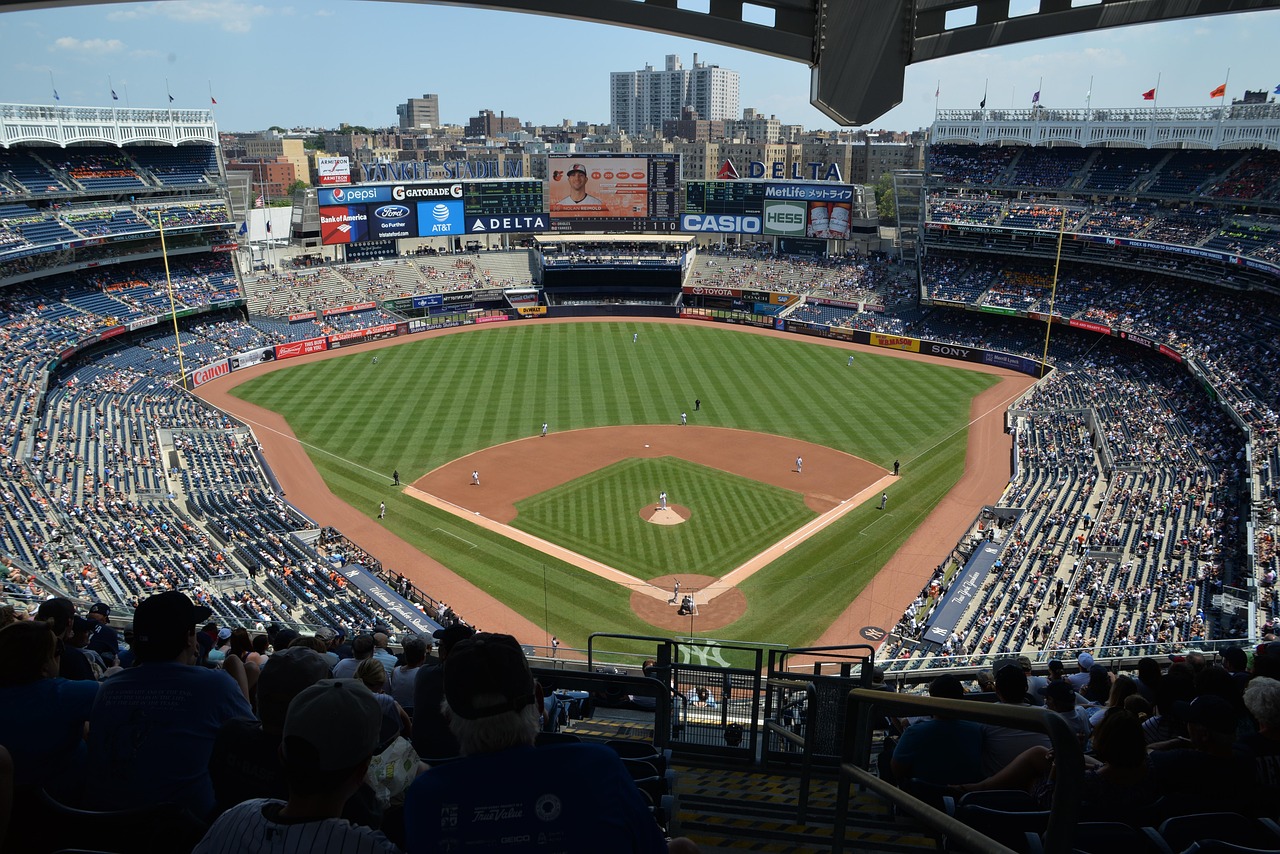
Photo by hellosoyeon on Pixabay.