The Group I finale at Toronto Stadium represents a critical juncture for Senegal and Iraq as they navigate the volatile mathematical landscape of the expanded 48-team 2026 FIFA World Cup. While both nations suffered consecutive defeats to France and Norway, the institutional possibility of advancing as one of the top four third-place teams creates a de facto playoff environment in Ontario.
Tactical Erosion: Senegal’s Defensive Regression
Senegal enters the fixture grappling with an unprecedented collapse in defensive discipline. After maintaining a 43-match streak without conceding three or more goals, the Lions of Teranga have surrendered three goals in three of their last four international outings. This statistical anomaly suggests a structural failure in transition management and personnel coordination, particularly against high-pressing European systems.
The 3-1 loss to France and 3-2 defeat to Norway exposed a backline previously regarded as the squad’s competitive bedrock. Ranked 19th globally, the Senegalese technical staff must now restore defensive rigidity while simultaneously pursuing the aggressive offensive output required to secure their first-ever consecutive knockout stage appearance. The tactical challenge lies in balancing a leaking goals-against average with the necessity of a high-margin victory.
Iraq’s Institutional Quest for Historical Validation
For Iraq, the 2026 campaign is defined by a search for a World Cup breakthrough. Historically, the Lions of Mesopotamia are among the few nations to lose their first five tournament matches. Their current -6 goal differential, following a 7-1 aggregate scoreline against Norway and France, necessitates a win of significant magnitude to remain viable in the third-place rankings.
Technical analysis of their defeat to France reveals critical lapses in goalkeeping reliability and distribution from the back. These unforced errors have nullified the vocal support of a vibrant diaspora presence in North America. To upset a physically superior Senegalese side, Iraq must stabilize their defensive third and exploit the uncharacteristic porousness of the West African defense, moving beyond historical frustrations toward institutional growth.
Operational Dynamics and Socio-Political Context
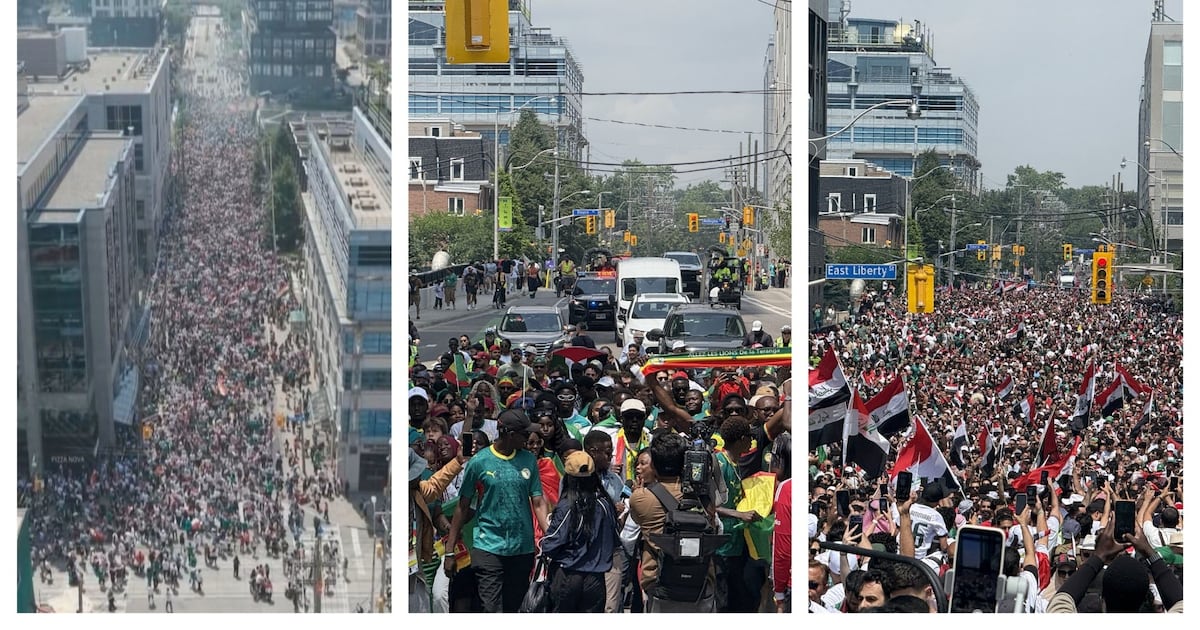
The match serves as the operational conclusion of Toronto’s initial hosting phase. Local authorities have noted a significant demographic disparity, with a robust Iraqi presence outnumbering the organized but smaller Senegalese contingent. This atmospheric leverage provides Iraq with a psychological advantage in a neutral setting.
Beyond the pitch, the match underscores the World Cup’s role as a platform for cultural expression. For the Iraqi-American diaspora, the event serves as a sanctuary for national identity. Meanwhile, the logistical realities of the tournament highlight the complexities of African football representation, where teams are often subject to regional mischaracterization. These socio-political layers, combined with high-value broadcast interest from CTV and FS1, elevate the match from a sporting contest to a significant cultural event.
Market Analysis and Knockout Permutations
Sportsbooks like FanDuel position Senegal as the favorite, citing the 41-place gap in FIFA rankings and superior professional depth. However, the ‘best third-place’ calculus introduces tactical volatility; since a draw likely eliminates both, managers are incentivized to abandon conservative structures. This desperation for goals may lead to a higher-than-average scoring total, making the match a high-risk, high-reward scenario for both federations and financial stakeholders.