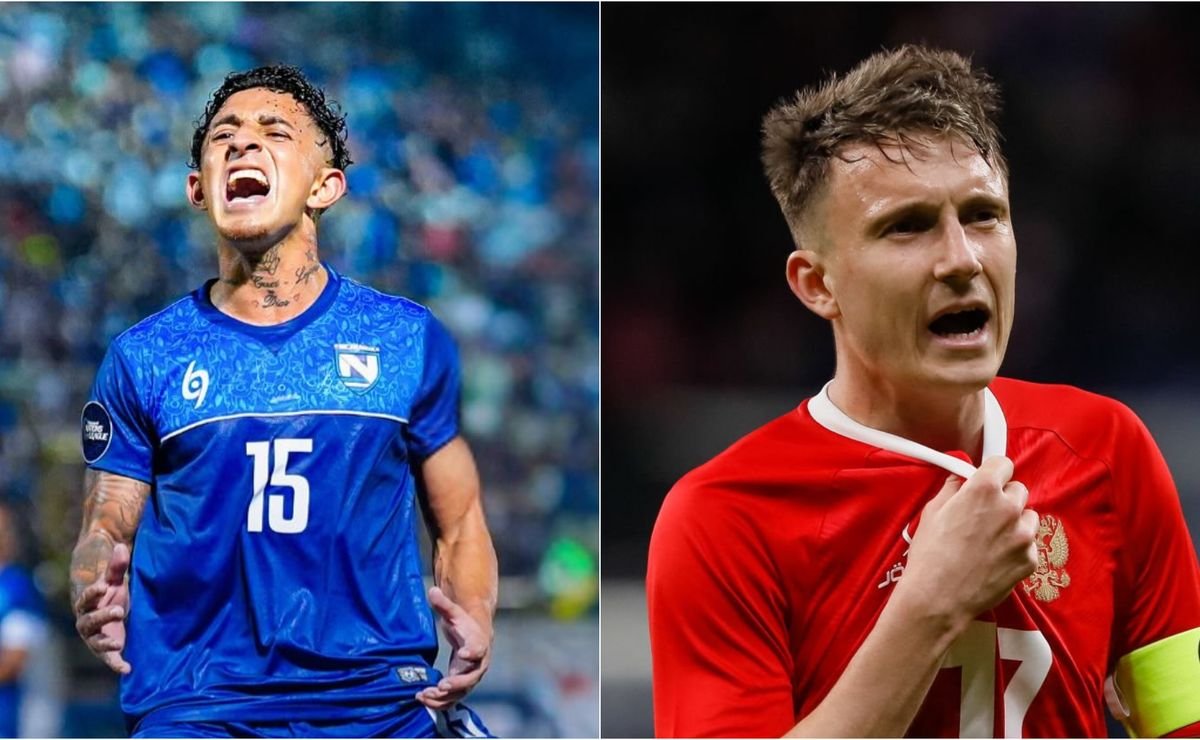
Russia’s Strategic Football Diplomacy Amidst Sanctions
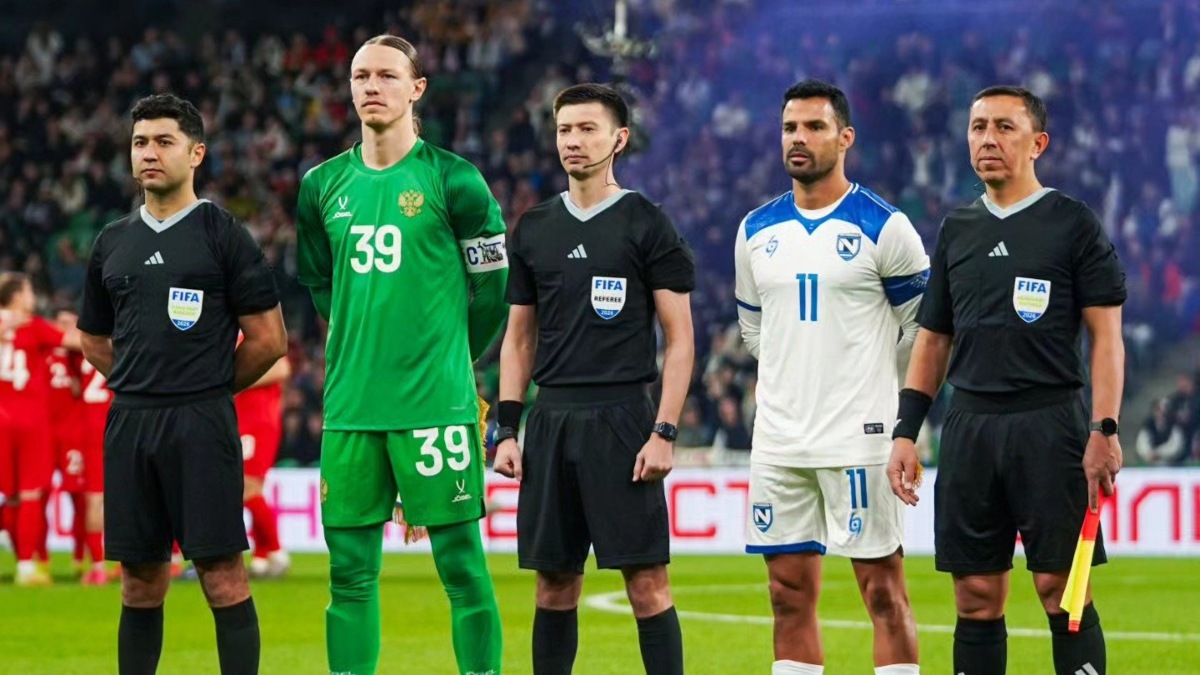
The Russian Football Union (RFU) is actively employing international friendly matches as a strategic tool to mitigate the impact of ongoing FIFA and UEFA sanctions. A recent fixture against Nicaragua, held at Krasnodar Stadium, exemplifies this approach. This strategy aims to sustain a competitive environment for the Russian national team, thereby preserving its tactical cohesion and player development pathways despite exclusion from European competitions.
These matches extend beyond mere sporting contests, functioning as significant acts of sports diplomacy. Nicaragua, a CONCACAF member, serves as a tactical partner, enabling Russia to fulfill its need for international competition. For the Russian Federation, these games offer a means to counter the effects of sporting isolation and maintain its standing within the global football community. Conversely, Nicaragua utilizes such fixtures to expose its players to higher-caliber opposition and gain international visibility.
The competitive disparity, evident in the FIFA rankings (Russia 36th, Nicaragua 131st), underscores the strategic intent behind such pairings. While Russia is heavily favored, market indicators and odds (Russia win around 1.15) highlight the match’s broader objectives—diplomatic engagement and developmental gains—over pure competitive outcomes.
Nicaragua’s interim coach, Otoniel Olivas, acknowledged the challenge but expressed high expectations, noting the preparation involved, including analysis of Russia’s previous match against Chile. This detailed approach signals Nicaragua’s commitment to leveraging the experience for growth, a phase initiated following a period of inconsistent performance under Marco Antonio Figueroa.
The match itself concluded with a 3-1 victory for Russia. Despite an early lead by Lechi Sadulaev (3′), Nicaragua equalized through Óscar Acevedo’s long-range strike (16′). Ultimately, Russia’s superior technical quality and squad depth secured the win, but Nicaragua demonstrated resilience and the capacity to pose threats.
The RFU’s proactive scheduling against diverse confederations is a direct response to the competitive void created by UEFA exclusion. This strategy aims to preserve the national team’s FIFA ranking and readiness for future tournaments. Opponent selection balances competitive challenge with fostering diplomatic ties, potentially easing future international sporting reintegration.
For Nicaragua, these fixtures offer crucial exposure and development. Competing against a higher-ranked European nation provides invaluable experience, potentially attracting scouting interest and enhancing their profile within CONCACAF. Such high-profile matches can also generate significant revenue for the Nicaraguan Football Federation, reinvested into grassroots development.
Russia’s hosting of Nicaragua aligns with a broader geopolitical strategy in sports. As Western bodies enforce sanctions, Russia increasingly engages nations with less stringent policies or those seeking stronger bilateral ties. This maintains a semblance of international engagement, projecting resilience and continued participation in global sports.
Olivas’s staff’s detailed performance analysis of Russia indicates a sophisticated preparation strategy, aiming to identify vulnerabilities and learn from the encounter. Acevedo’s goal highlights Nicaragua’s potential to disrupt opponents, even those with superior credentials.
The long-term implications for Russian football involve balancing immediate competitive practice with the diminishing returns of consistently facing lower-ranked opponents. The RFU must ensure this strategy maintains genuine competitive growth and readiness for potential future reintegration into UEFA competitions.
Media coverage is vital for shaping public perception and countering narratives of isolation. The RFU frames these friendlies as strategic, imbuing them with significance beyond the immediate sporting contest.
Economic considerations are paramount. Russia utilizes sporting infrastructure for economic activity, while Nicaragua receives vital funding for development programs through participation fees and potential revenue streams from broadcast rights and sponsorships.
Tactical adjustments and player evaluations from the Nicaragua match will inform future RFU decisions. Adapting to diverse playing styles, like that of a CONCACAF opponent, is crucial for comprehensive player development and national team readiness.
The international sports community observes Russia’s approach to maintaining competitiveness through alternative fixtures, potentially setting a precedent for other sanctioned nations. The effectiveness of this strategy in preserving a nation’s sporting infrastructure and competitive spirit during periods of exclusion will be a significant case study.
The strategic partnership between the RFU and the Nicaraguan Football Federation reflects a pragmatic approach to navigating complex geopolitical realities in sports. Cultivating relationships outside the immediate sphere of Western sporting influence sustains Russia’s presence within the global football ecosystem.
Nicaragua’s performance, despite the loss, provides valuable insights. The ability to score against a higher-ranked opponent indicates latent potential. Coach Olivas will analyze defensive lapses and offensive sequences to refine future strategies and build a more robust international profile for Nicaraguan football.
Ultimately, Russia’s engagement with Nicaragua is a calculated move within a challenging international landscape, demonstrating the RFU’s determination to keep its national team active. Success will hinge on fostering genuine competitive growth and maintaining relevance amid continued international scrutiny and potential future reintegration.