The Institutional and Tactical Framework of Portugal’s 2026 Campaign
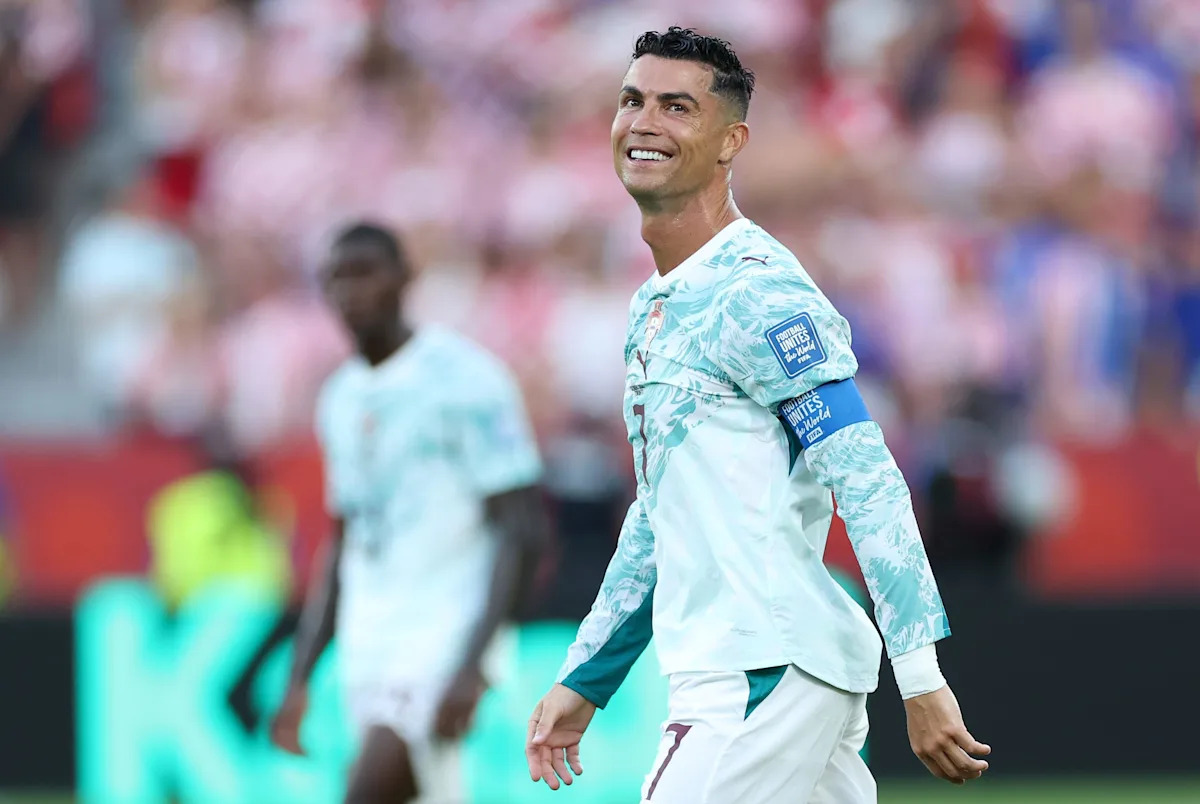
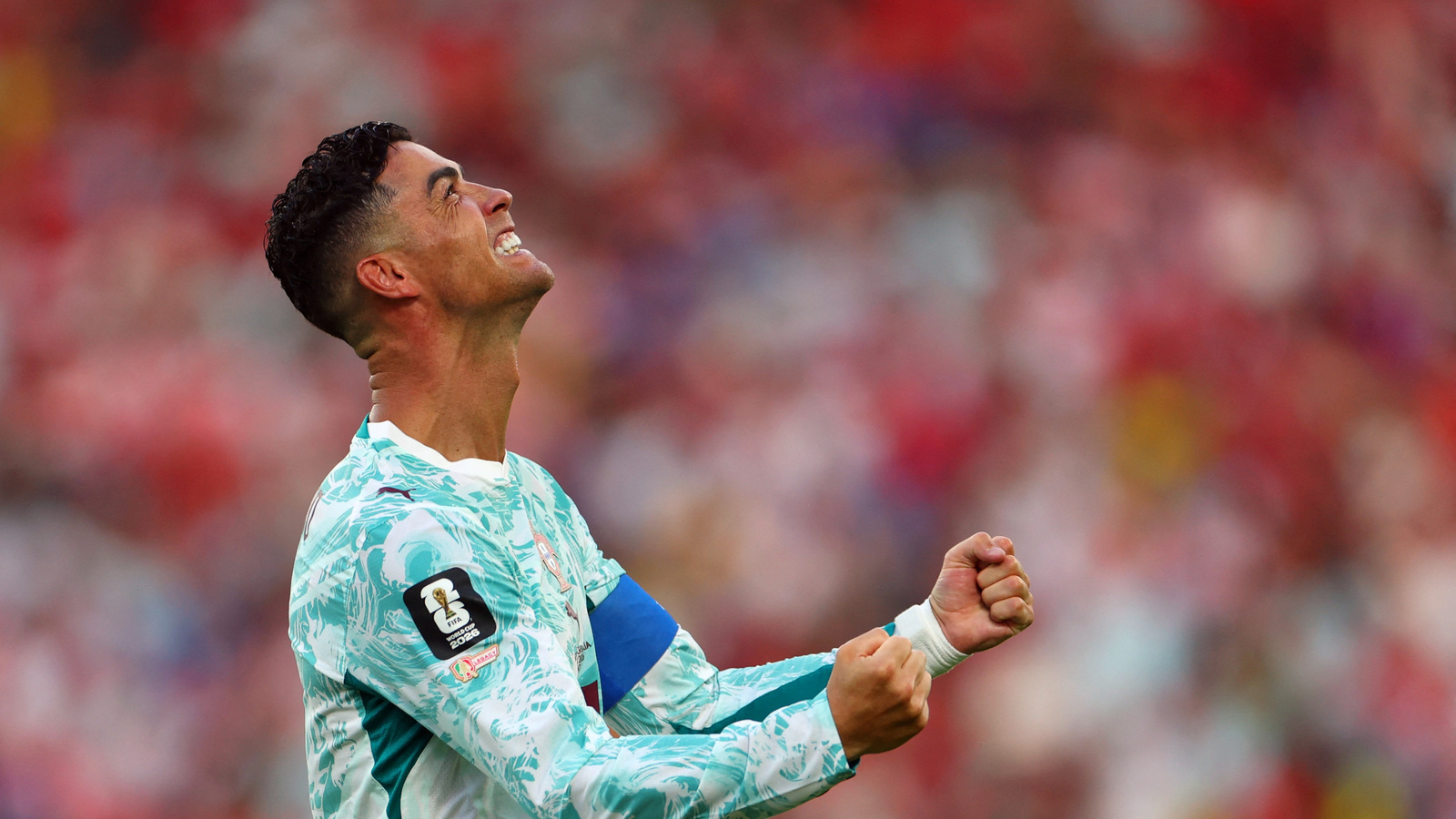
The participation of a forty-one-year-old outfield player in the knockout stages of the 2026 World Cup represents a paradigm shift in the modern football career cycle. Cristiano Ronaldo’s inclusion in the Portuguese starting lineup is not a sentimental gesture, but a calculated tactical strategy. This operational choice places specific demands on the Portuguese Football Federation’s (FPF) sports science and administrative infrastructure, which must manage the recovery cycles, physical workloads, and tactical integration of an ultra-veteran forward.
While Ronaldo’s presence provides a stabilizing influence in high-pressure environments, it introduces a structural bottleneck for emerging Portuguese attacking talent. Balancing immediate tournament objectives with long-term squad modernization remains a central institutional tension. Managing this transition requires the technical staff to construct a system that compensates for Ronaldo’s reduced defensive work-rate without compromising the team’s defensive integrity.
The Managerial Strategy of Roberto Martinez
Manager Roberto Martinez has designed a tactical framework that maximizes Ronaldo’s clinical finishing while mitigating his physical limitations. Starting Ronaldo in the Group K opener against the DR Congo on June 17 signaled that the captain would remain the central focal point of the attack. To sustain this, Martinez deploys dynamic, high-workrate midfielders who absorb defensive duties and secure second balls, shielding Ronaldo from intensive pressing phases.
This system relies on Ronaldo’s elite penalty-box positioning, aerial presence, and efficient movement. However, this strategy carries structural risks. If opponents isolate Ronaldo from midfield service, Portugal’s offensive transitions risk becoming predictable and stagnant. Martinez’s capacity to adjust this tactical configuration in real-time remains a decisive factor in Portugal’s progression.
Historical Longevity: Outfield Players vs. Goalkeeping Precedents
Ronaldo’s participation at forty-one years and 132 days old highlights his unique athletic profile. Historically, players extending their careers into their forties have been goalkeepers, whose physical demands favor positional intelligence, reflexes, and decision-making over high-intensity running. Examples include Egypt’s Essam El-Hadary (45), Colombia’s Faryd Mondragón (43), and Northern Ireland’s Pat Jennings, all of whom played in less physically punishing roles.
Outfield players of this age are rare. Cameroon’s Roger Milla competed at forty-two, but primarily as an impact substitute. Ronaldo’s role as a starting forward demands unprecedented physical conditioning. Ranking as the fourth-oldest player in World Cup history—and the second-oldest in the 2026 tournament behind Scotland’s forty-three-year-old goalkeeper Craig Gordon—Ronaldo’s sustained outfield output challenges historical trends set by defensive legends like Peter Shilton and Dino Zoff.
The Physical Preservation Phenomenon and Commercial Viability
Ronaldo’s physical preservation is the product of meticulous sports science, utilizing cryotherapy, hyperbaric chambers, optimized sleep hygiene, and tailored nutritional pacing to maintain muscle mass and explosive power. This systematic approach allows him to compete in high-intensity systems that typically favor younger athletes.
This physical longevity underpins his commercial ecosystem. Positioning himself as an ageless athlete aligns his personal brand with corporate themes of resilience and peak performance. Sponsors leverage this narrative, transforming physical durability into a powerful marketing tool that sustains his commercial value well past the typical retirement age of elite footballers.
Analyzing On-Field Metrics: Positional Evolution and Tactical Efficiency
Ronaldo’s performance metrics in 2026 confirm his evolution into a specialized penalty-box predator. His three tournament goals—including a brace against Uzbekistan in the Group Stage and a 68th-minute penalty against Croatia in the Round of 32 in Toronto—demonstrate highly efficient positioning. The penalty against Croatia marked his eleventh career World Cup goal and his first-ever in a knockout-round match.
This positional adaptation focuses on economy of movement, preserving energy for critical attacking sequences. Consequently, Ronaldo’s efficiency is highly dependent on the service provided by Portugal’s creative players. While his instinct inside the box remains world-class, his ability to generate individual goals from distance or through isolated dribbles has naturally decreased, making tactical synergy essential.
The Dallas Tactical Crucible: Round of 16 vs. Spain
Portugal’s Round of 16 fixture against Spain at AT&T Stadium (referred to as Dallas Stadium) on Monday, July 6 at 3 p.m. ET, represents a significant tactical test. Facing a possession-heavy, high-pressing opponent will pressure Portugal’s transition defense and test the physical limits of their defensive structure.
To counter Spain, Martinez must construct transition pathways that exploit spaces left by Spain’s advancing full-backs. For Ronaldo, this match requires high positional discipline and clinical efficiency, as clean chances will be limited against a highly organized defensive line.
The Six-Tournament Benchmark and Institutional Legacy
Ronaldo’s record as the only male player to score in six different World Cup tournaments establishes a benchmark of consistency. This milestone influences youth development models, with academies increasingly prioritizing long-term physical conditioning, recovery education, and mental resilience alongside technical training.
This legacy alters how clubs and national associations manage aging players. Rather than phasing out veteran talent, institutions are investing in specialized recovery infrastructure to extend player careers. Ronaldo’s campaign at forty-one provides a blueprint for integrating experienced leadership within elite-level football.