
Seismic Convergence and Hypocentral Dynamics
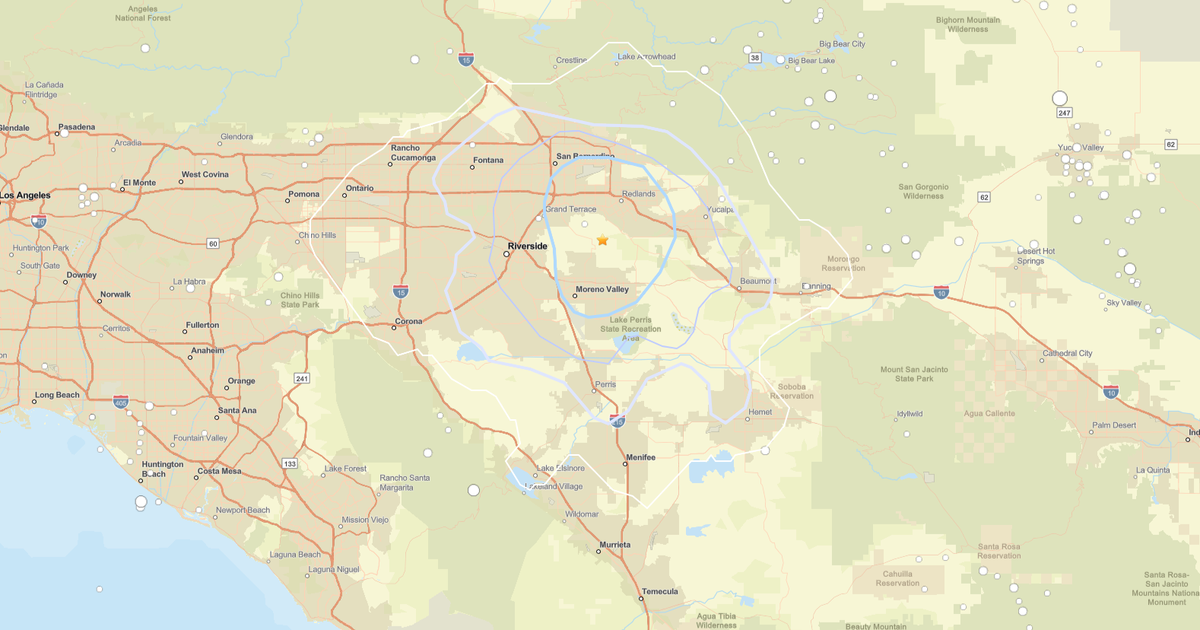
The recent 3.3-magnitude seismic event centered near Redlands serves as a critical diagnostic for the San Bernardino Basin’s structural stability. Positioned at a shallow hypocentral depth of approximately 2.5 miles, this event highlights the acute tectonic loading occurring at the convergence of the San Andreas and San Jacinto fault systems. While the magnitude falls below the threshold for catastrophic rupture, the shallow depth facilitates high-frequency surface waves that increase the risk of lateral stress on aging subterranean infrastructure.
Logistics Corridor Vulnerability and Economic Continuity
As a primary node in the North American supply chain, the Inland Empire’s high-density warehousing and heavy-rail infrastructure face cumulative degradation from recurring low-to-mid-range tremors. Seismic clusters in the Redlands-Loma Linda area necessitate a recalibration of automated storage and retrieval systems (ASRS) and high-precision industrial equipment. Beyond immediate mechanical failure, these events act as stress tests for regional business continuity frameworks, emphasizing the latent capital exposure within the San Jacinto fault zone.
Soil Amplification and Municipal Engineering Challenges
Data from the USGS ‘Did You Feel It?’ platform indicates significant soil amplification effects, with tremors felt across a wide radius including Orange and Downey. For municipal planners in San Bernardino County, this intensity profile underscores the necessity of stringent seismic retrofitting and specialized foundation engineering for high-density developments. Shallow seismic waves exert specific pressures on utility networks, particularly aging gas and water pipelines, necessitating proactive post-event leak detection and structural integrity assessments.
Institutional Monitoring and Risk Underwriting
The integration of real-time sensor data with citizen-reported intensity metrics allows for more granular risk modeling by insurance underwriters and institutional investors. This seismic activity reinforces the risk premiums associated with properties in proximity to the San Jacinto fault. As monitoring technology advances, the speed of data dissemination becomes paramount in maintaining public safety and preventing the economic volatility associated with misinformation during periods of heightened seismic adjustment.
Photo by anita_starzycka on Pixabay.