Reddick’s Early Season Dominance and Strategic Performance Leverage
Tyler Reddick’s performance in the early stages of the NASCAR Cup Series season represents a strategic inflection point for 23XI Racing. Securing four victories in the first eight races, Reddick’s early dominance positions him to potentially achieve a historical benchmark not witnessed in nearly four decades. His pursuit of a fifth win in nine races places him in rarefied company, challenging a record set by Dale Earnhardt in 1987.
This level of performance leverage has immediate strategic implications for team operations and resource allocation. Early victories secure playoff eligibility, enabling the team to shift its focus from points accumulation to optimizing for championship contention. This strategic flexibility allows for a more aggressive approach to car development and operational adjustments in subsequent races, prioritizing performance gains over risk aversion. The consistency required to maintain this pace suggests a high degree of operational efficiency and data-driven decision-making within the team’s engineering and pit crew operations.
Operational Excellence and Strategic Adaptation at Kansas Speedway
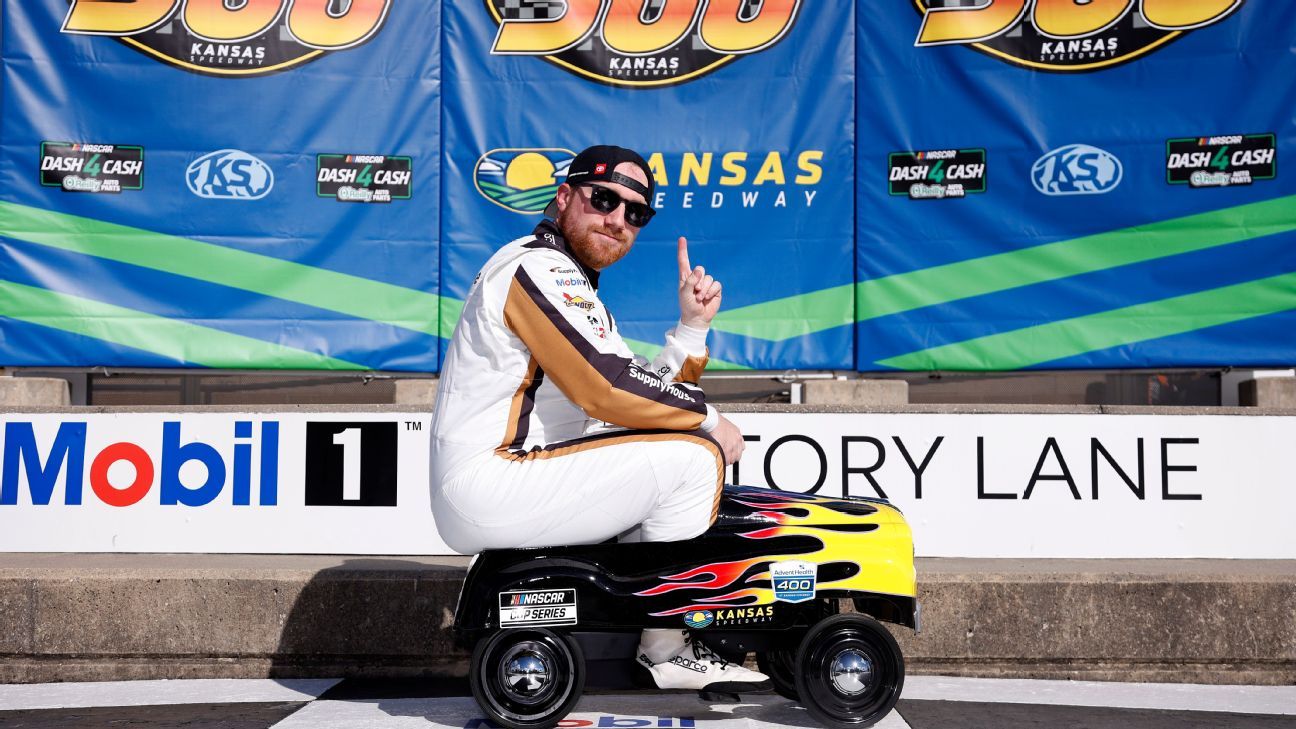
Reddick’s recent qualifying performance at Kansas Speedway, culminating in his fourth pole position of the season, is particularly significant when contextualized against the team’s struggles at the track during the previous year. Reddick explicitly referenced difficulties during the previous event, stating, “We came here a year ago and really struggled all weekend long. That was a tough pill to swallow, for sure.” This admission highlights a critical operational challenge that required significant strategic intervention.
The subsequent turnaround, culminating in the pole position, demonstrates a successful application of data analysis and engineering adjustments between seasons. The team’s strategic response involved a “huge emphasis” on improving performance at Kansas, using the previous fall’s race as a data-driven “starting point.” This approach reveals a structured process of continuous improvement, where underperforming data is leveraged to inform future R&D cycles. The successful adaptation suggests a high level of resource allocation and engineering focus on specific track characteristics, which is essential for maintaining competitive advantage in a high-stakes racing environment. Reddick’s ability to perform under variable conditions, such as the described “cold, blustery Saturday,” further validates the robustness of these strategic adjustments.
Manufacturer Alignment, Competitive Dynamics, and Market Implications
The qualifying results at Kansas Speedway underscore the strategic alignment between 23XI Racing and its manufacturer, Toyota. Reddick’s pole position, alongside team owner Denny Hamlin, in an all-Toyota front row, signifies a strong manufacturer-team partnership. This result extends Toyota’s recent dominance at the track, marking the fifth pole position in the last six Kansas races for the manufacturer. This consistent performance suggests a successful collaborative R&D effort, where technological advancements and data sharing benefit multiple teams within the Toyota stable.
This manufacturer dominance impacts competitive balance and capital investment strategies. Toyota’s success at intermediate ovals creates pressure on rival manufacturers, such as Chevrolet and Ford, to increase R&D spending and operational focus to close the performance gap. The resulting arms race in engineering and data analytics drives up capital requirements for all stakeholders in the sport.
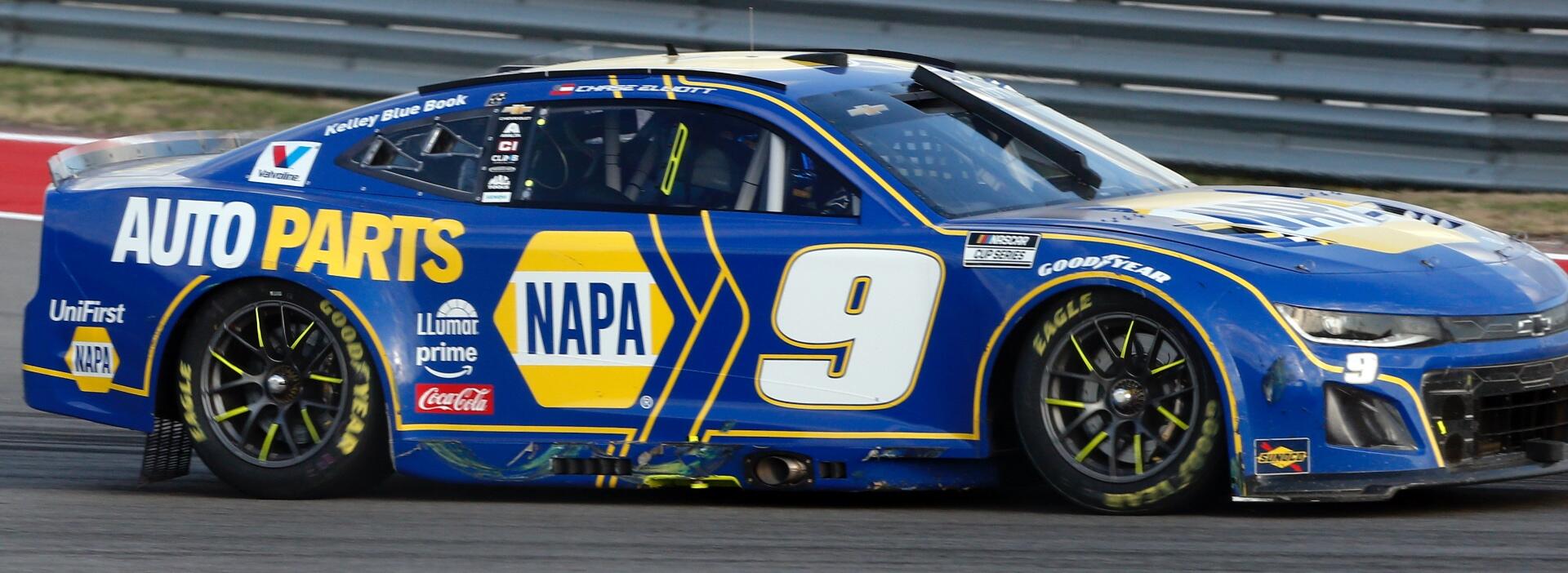
The competitive landscape at Kansas involves several high-performing drivers and teams, creating a dynamic tension. While Reddick seeks to establish dominance, drivers like Kyle Larson aim for a historical milestone of their own—the first-ever three-peat at this race. Larson’s pursuit, combined with the presence of Hendrick Motorsports teammate Chase Elliott, creates a multi-layered competitive narrative. This tension ensures high levels of fan engagement and media interest, translating directly into sponsor value and market exposure for high-performing drivers like Reddick.
Daily Fantasy Sports Integration and Financialization of Fan Engagement
The integration of Daily Fantasy Sports (DFS) into pre-race analysis highlights the increasing financialization of fan engagement in NASCAR. The practice of forming a “DFS stack” with drivers from the same team, such as Larson and Elliott, reflects real-world team strategies and operational alignments. The prominence of DFS analysis, including insights from professionals, demonstrates a shift in how fans interact with the sport.
The financial incentives associated with DFS create a new layer of engagement, where predictive modeling and statistical analysis become central to the fan experience. This integration transforms passive viewership into active participation, generating significant capital flow and creating a parallel economy around the sport’s outcomes. Strategic recommendations provided by DFS professionals, such as considering Joey Logano due to consistent performance, emphasize the importance of data-driven risk management in fantasy racing, mirroring the strategic decisions made by real-world teams.
Conclusion: Shifting Competitive Landscape and Future Outlook
The 2026 AdventHealth 400 at Kansas Speedway serves as a critical data point in analyzing the shifting competitive landscape of NASCAR. Tyler Reddick’s pole position and early-season dominance highlight a successful strategic pivot by 23XI Racing and a strong manufacturer alignment with Toyota. The historical context provided by the Earnhardt benchmark elevates the significance of Reddick’s performance, creating a high-stakes narrative for the remainder of the season. The competitive dynamics, including the pursuit of a three-peat by Kyle Larson and the strategic value of consistent performance from drivers like Joey Logano, demonstrate a complex and highly competitive environment. The integration of DFS further financializes fan engagement, creating a parallel market that reflects and influences perceptions of driver performance and team strategy. These elements collectively define a new era of strategic competition and operational excellence in NASCAR, where data-driven adjustments and performance leverage are paramount to success.