The Paradigm Shift: Siri as an Autonomous Interface
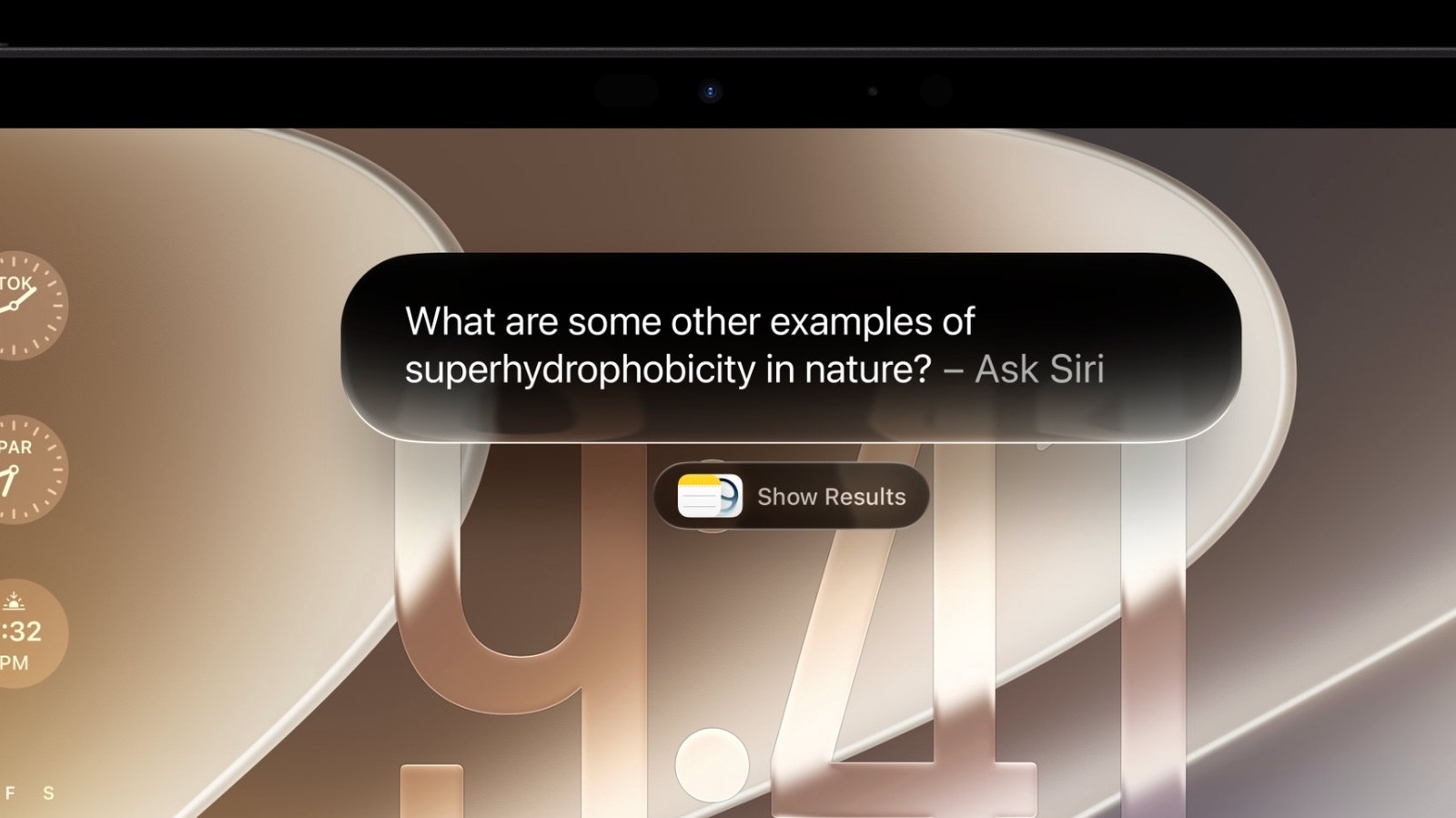
The unveiling of iOS 27 at WWDC 2026 represents a definitive rupture in Apple’s software philosophy. By decoupled Siri from its legacy role as a background utility into a standalone application, Apple is institutionalizing a conversational, persistent AI interface. This transition from ephemeral voice commands to a persistent, chat-based ‘Siri app’ across iOS, macOS, and visionOS creates a unified digital thread, leveraging iCloud synchronization to build a cross-device long-term memory.
Hardware Gating and the 12GB RAM Performance Floor
The most significant strategic lever in the iOS 27 cycle is the establishment of a 12GB RAM hardware threshold. By restricting advanced Apple Intelligence features—such as on-device voice editing and complex visual synthesis—to the iPhone 17 Pro and M4-series silicon, Apple has effectively tiered its ecosystem. This ‘computational floor’ is a deliberate move to solve the bottleneck of on-device Large Language Model (LLM) execution, simultaneously driving a high-value hardware replacement cycle by incentivizing upgrades to high-bandwidth memory devices.
iPadOS 27: From Multitasking to Autonomous Agency
iPadOS 27 marks the end of the iPad’s attempt to replicate Mac-style window management, pivoting instead toward ‘Autonomous Agency.’ The focus has shifted to a system where Apple Intelligence manages complex workflows with minimal user friction. Foundationally, this is supported by the ‘Golden Gate’ core—a unified functionality set across the OS stack that ensures system reliability, faster app execution, and robust data exchanges, allowing the iPad to function as a specialized tool for AI-driven synthesis rather than a secondary PC.
Services and Visual Intelligence: Monetizing Frictionless UX
Under Eddy Cue, Apple’s Services division is leveraging computer vision to deepen ecosystem lock-in. The introduction of Visual Intelligence within Apple Cash for bill splitting and the expansion of Apple Maps’ Local Lists demonstrate a strategy of ‘contextual utility.’ By integrating these features at the OS level, Apple reduces transactional friction, effectively neutralizing third-party app incumbents. This integration, combined with video podcast support and revamped iCloud Shared Albums, aims to maximize dwell time within the proprietary ecosystem, directly correlating to increased Services revenue.
Conclusion: Vertical Integration in the Age of AI
The iOS 27 release cycle confirms that Apple is transitioning from a mobile-first company to an AI-first architect. Through strict hardware gating and the deployment of a standalone AI agent, Apple is creating an asymmetric competitive advantage. By leveraging unique on-device data access and screen awareness, the company is positioning itself to offer levels of personalization and privacy that cloud-dependent competitors cannot match, setting the technological and economic trajectory for the remainder of the decade.