Institutional Strategy: Beyond Nostalgia
The transition to Black Ops Royale signifies a sophisticated institutional shift by Raven Software, moving past mere fan service toward a comprehensive systemic overhaul. Lead Producer Jason Rhode characterizes this evolution as a strategic merger: distilling the tactical DNA of Blackout and embedding it within the scalable Warzone framework. This move addresses the industry-wide necessity for ‘live-service elasticity,’ ensuring the gameplay loop remains resilient against player attrition through constant environmental and mechanical flux.
The Power-Scaling Architecture: Looting and Progression
At the center of this recalibration is a revised resource economy. Unlike the static engagement models of previous iterations, Black Ops Royale introduces a deliberate power-scaling architecture. By implementing a dedicated weapon upgrade system and armor tiers, the game transforms the mid-game from a passive traversal phase into an active tactical investment. This hierarchy of equipment forces squads to prioritize objective-based looting over mere survival, effectively increasing the ‘density’ of decisions per match and rewarding teams that master the map’s internal financial economy.
Spatial Verticality and Mobility Dynamics in Avalon
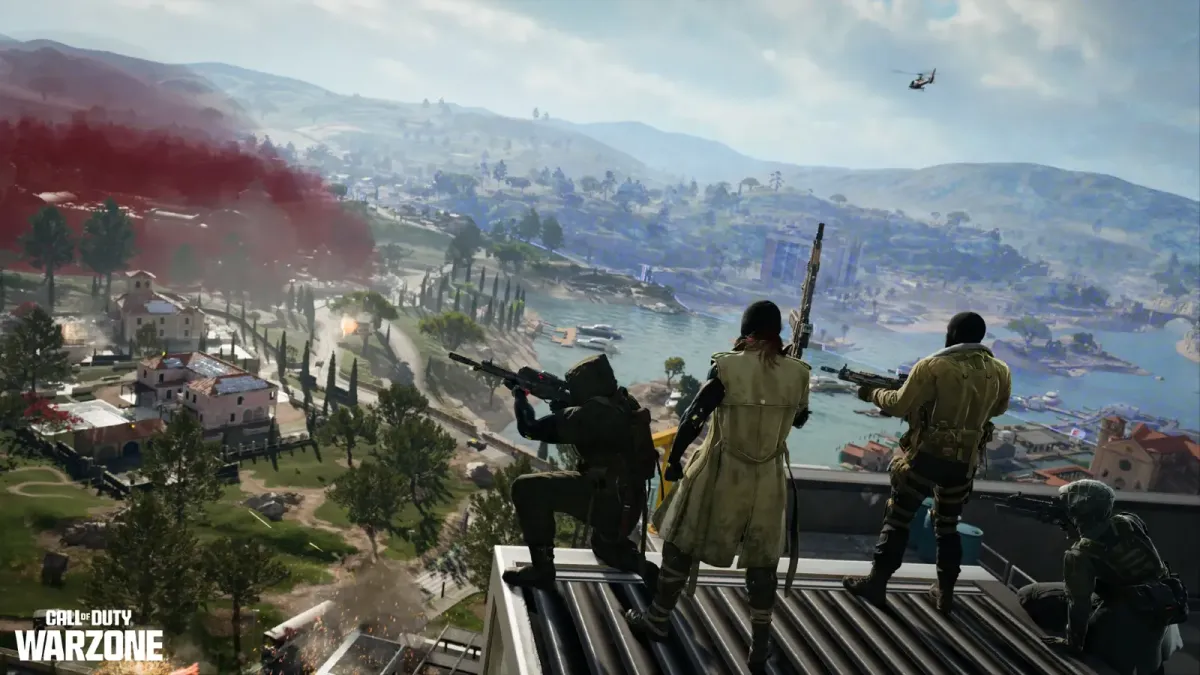
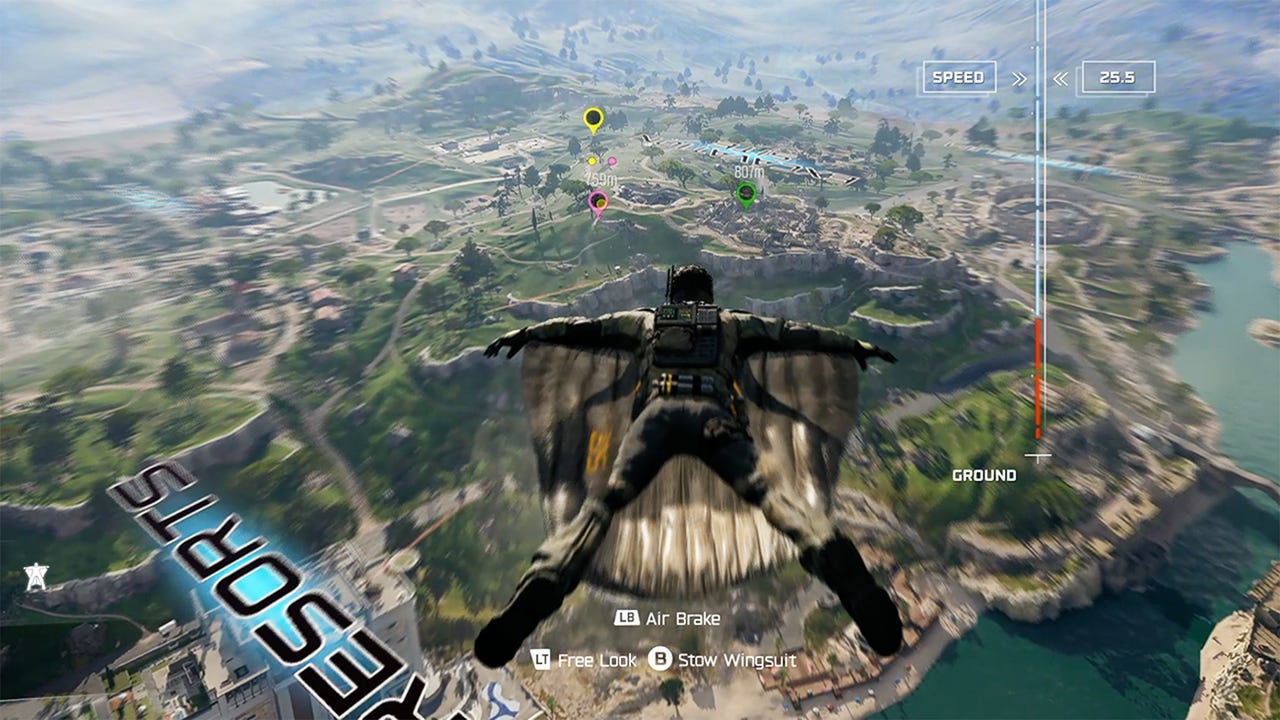
The Avalon map serves as the primary laboratory for these mobility-focused refinements. The integration of the wingsuit and grapple hook represents a departure from horizontal-focused combat, introducing significant tactical verticality. This spatial shift mandates a re-evaluation of defensive positioning; high-ground advantages are no longer absolute but are subject to rapid disruption by highly mobile aggressors. The introduction of ‘Cradle zones’ further optimizes player flow, acting as high-traffic nodes that concentrate engagement density and accelerate the match’s kinetic tempo.
Dynamic Threat Vectors: Event-Based AI Integration
Black Ops Royale fundamentally alters the role of non-player entities by treating Zombies as global dynamic events rather than localized hazards. This systemic integration transforms the AI from a static environmental obstacle into a mobile tactical variable. These encounters serve as catalysts for emergent gameplay, forcing squads to adapt to PvE (Player vs. Environment) threats during critical PvP (Player vs. Player) rotations. This layer of unpredictability distinguishes the mode within the saturated battle royale market, offering a more complex, multi-layered battlefield.
Interface Continuity and Technical Standardization
To mitigate the friction of this transition, Raven Software maintains a Warzone-standardized HUD. This visual continuity serves as a bridge for the existing player base, allowing them to navigate the new, complex systems—such as swappable perks and exotic weapon tiers—within a familiar UI framework. This balance of innovation and infrastructure ensures that while the mechanical ceiling has been raised, the barrier to entry remains accessible, securing long-term player retention across both console and PC platforms.