European Transfer Market Heats Up: Diomande at the Center of a Duel
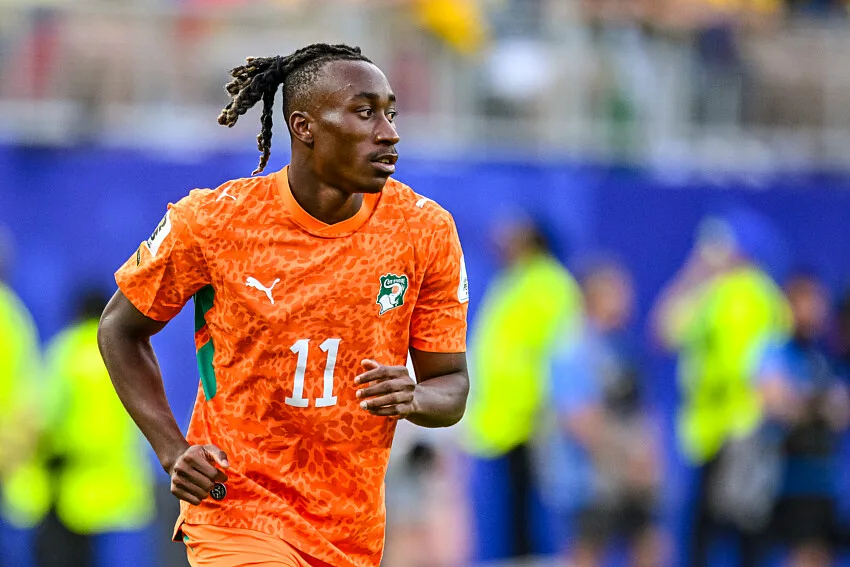
The European football transfer market is currently dominated by a high-stakes pursuit of RB Leipzig’s emerging talent, Yan Diomande. Both Paris Saint-Germain (PSG) and Liverpool Football Club are reportedly engaged in a competitive race for the 19-year-old Ivorian winger. This strategic battle underscores the increasing club focus on acquiring young, high-potential assets to shape future team performance and enhance market value.
Liverpool’s interest, reportedly influenced by their coaching staff’s tactical assessments, highlights a strategic imperative to secure a player who has experienced a rapid ascent. Diomande’s standout debut Bundesliga season and decisive contributions at the Africa Cup of Nations, including impactful performances against Ecuador characterized by significant chance creation and successful duels, have amplified his profile and reinforced Liverpool’s need for dynamic attacking reinforcements.
The financial stakes are substantial, with reports indicating potential transfer fees exceeding €80 million. This valuation reflects the premium placed on proven, young talent in the current market and signals a long-term strategic vision by clubs aiming to secure generational talents capable of delivering sustained performance and significant return on investment through on-field success and future resale potential.
PSG appears to have gained a tactical advantage in negotiations, positioning themselves as frontrunners to secure Diomande’s signature. This perceived lead suggests a potentially more aggressive and decisive approach to deal finalization, a strategy often employed by clubs seeking to preempt competitors and secure key targets before market dynamics shift.
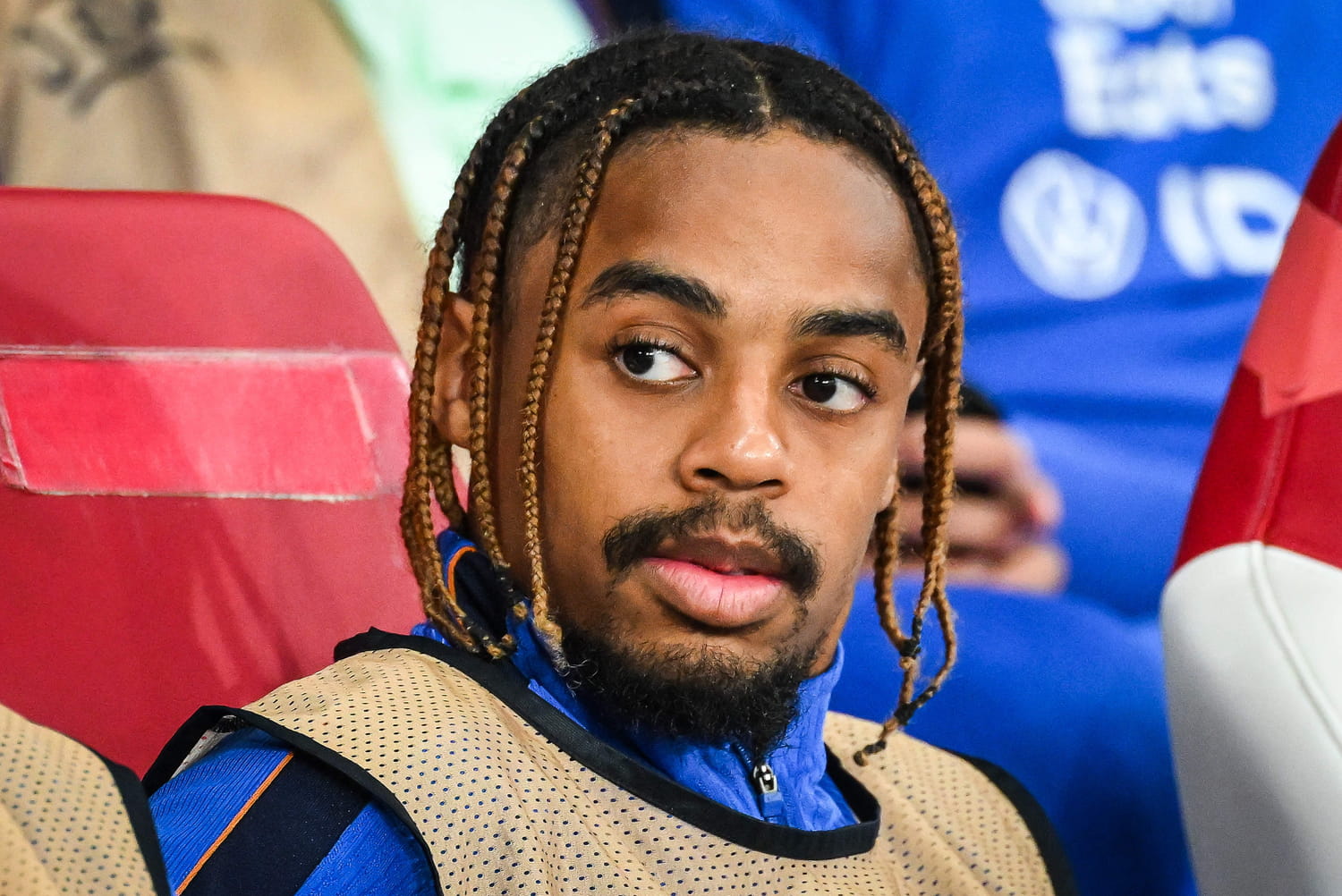
The potential acquisition of Diomande by PSG carries significant implications for their existing squad, particularly for French international Bradley Barcola. Barcola’s current contract situation at PSG, marked by ongoing speculation and an unresolved extension, is directly intertwined with the club’s offensive recruitment strategy. His future at the club may hinge on the successful integration of new talent and the guarantees he receives regarding his playing status and role within the team.
Liverpool’s strategic recalibration in response to potential setbacks in the Diomande pursuit indicates a robust contingency planning process. Their continued appreciation for Barcola suggests he remains a significant consideration, potentially as an alternative or complementary target should the primary objective prove unattainable. This dual-track approach is characteristic of major clubs operating in a competitive transfer environment, where flexibility and alternative options are crucial for sustained success.
Barcola’s personal attachment to the number 29, a symbolic choice stemming from his affinity for the FIFA video game character Alex Hunter, adds a unique narrative layer to his professional identity. This personal symbolism, while seemingly minor, can influence player morale and team dynamics, highlighting the human element within high-pressure professional sports environments. His commitment to this number since his early playing days at Lyon signifies a deep-seated personal brand and a desire for continuity.
The narrative surrounding Barcola’s potential contract extension at PSG is further complicated by his reported desire for greater assurances regarding his on-field role. In a team with significant attacking depth, securing a consistent starting position or a clearly defined significant contribution is paramount for player satisfaction and long-term commitment. This situation highlights the delicate balance clubs must strike between acquiring new talent and retaining existing key players.
The competitive tension between PSG and Liverpool over Diomande exemplifies a broader trend in elite football: the intense competition for a limited pool of world-class, young talent. This dynamic drives up transfer fees and wages, creating a challenging financial landscape for clubs and influencing strategic decision-making regarding player development, scouting, and acquisition.
Media amplification of these transfer sagas serves to heighten public interest and can indirectly influence negotiation leverage for both clubs and players. The constant flow of information, speculation, and reporting creates an environment where public perception and media narratives can subtly impact market dynamics and player valuations.
PSG’s potential acquisition of Diomande, if finalized, would represent a significant strategic reinforcement of their offensive capabilities. This move would likely be viewed as a statement of intent, aimed at solidifying their position as a dominant force in domestic and European competitions, while also potentially impacting the playing time and development trajectory of existing forwards like Barcola.
Liverpool’s strategic planning, even in the face of potential transfer disappointments, demonstrates resilience and a commitment to their long-term vision. Their continued interest in players like Barcola, even while pursuing other targets, suggests a well-defined recruitment philosophy focused on acquiring talent that aligns with their tactical system and competitive ambitions.
The broader economic implications of such high-value transfers extend beyond individual clubs, influencing player valuations across the entire football ecosystem. The significant capital deployed in these marquee deals reflects the immense commercial value and global appeal of top-tier professional football, driving further investment and competition within the industry.
The strategic decision-making process for clubs like PSG and Liverpool involves a complex interplay of sporting ambition, financial prudence, and market positioning. Securing players like Diomande is not merely about immediate squad improvement but also about securing future competitive advantage and maintaining brand prestige in a rapidly evolving global sports landscape.
The ongoing speculation surrounding Bradley Barcola’s contract status at PSG, juxtaposed with the pursuit of Yan Diomande, creates a dynamic where player agency and club strategy are in constant negotiation. This situation is emblematic of the professional football environment, where contractual stability and on-field opportunities are critical factors for player retention and career progression.
Ultimately, the outcome of the Diomande transfer saga and the resolution of Barcola’s contract situation will have tangible effects on the competitive balance within Ligue 1 and the Premier League, as well as influencing broader transfer market trends for emerging attacking talent.