
The institutional architecture of Real Madrid is undergoing its first contested electoral cycle in two decades, as Enrique Riquelme challenges the long-standing hegemony of Florentino Perez. This confrontation represents a fundamental divergence in recruitment philosophy: the incumbent’s focus on disciplined tactical continuity versus a challenger’s high-stakes market disruption. As the club navigates a shifting European landscape dominated by state-funded entities, the vote serves as a referendum on the administrative future of the world’s most successful sporting organization.
Florentino Perez’s campaign prioritizes immediate structural fortification. By signaling the return of Jose Mourinho, Perez aims to reinstill a culture of defensive pragmatism and high-friction competitive discipline. This managerial shift is supported by pre-negotiated technical upgrades, including the €20 million acquisition of Denzel Dumfries from Inter Milan and the pursuit of Ibrahima Konate. These moves indicate a transition toward a more athletic, transition-oriented squad designed to sustain domestic dominance while integrating a new generation of elite defensive talent.
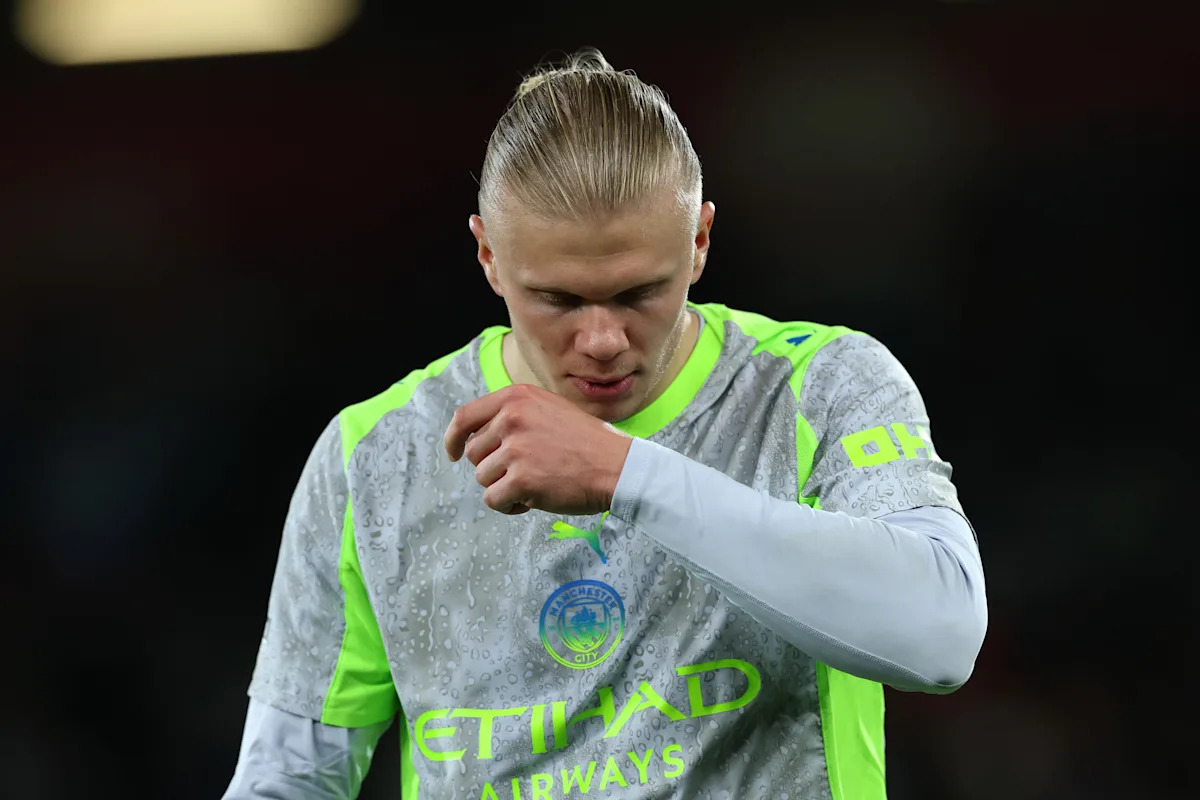
Conversely, Enrique Riquelme’s platform is built on reclaiming market supremacy through a targeted raid of Manchester City’s core. His pledge to trigger the release clauses of Erling Haaland and Rodri Hernandez seeks to rectify perceived strategic failures, specifically the 2022 decision to prioritize Kylian Mbappe over a traditional prolific striker. By presenting signed documentation and a Haaland-branded kit on national television, Riquelme has attempted to validate his capacity to bypass traditional institutional hurdles and deliver a ‘Galactico’ shock to the European hierarchy.
A critical component of Riquelme’s bid is the decentralization of sporting authority. Proposing Raul Gonzalez Blanco as Sporting Director represents a shift toward a technical model that balances global recruitment with the club’s internal heritage. This contrast is stark: Perez represents a centralized executive mandate, whereas Riquelme offers a distributed governance structure. Furthermore, Riquelme’s commitment to subsidizing membership costs highlights a campaign focused on democratizing the club’s financial access, challenging the wealth barriers inherent in the current candidacy requirements.
The outcome of this Sunday’s vote will dictate the Real Madrid trajectory for the next decade. A Perez victory reaffirms the status quo—leveraging institutional experience and pre-arranged technical stability. A Riquelme victory would trigger an unprecedented capital deployment, testing the club’s financial agility and potentially altering the power dynamics of the global transfer market. For the ‘socios,’ the choice rests between the proven reliability of the incumbent and the disruptive, high-reward ambition of a new era.
Photo by rubns28 on Pixabay.