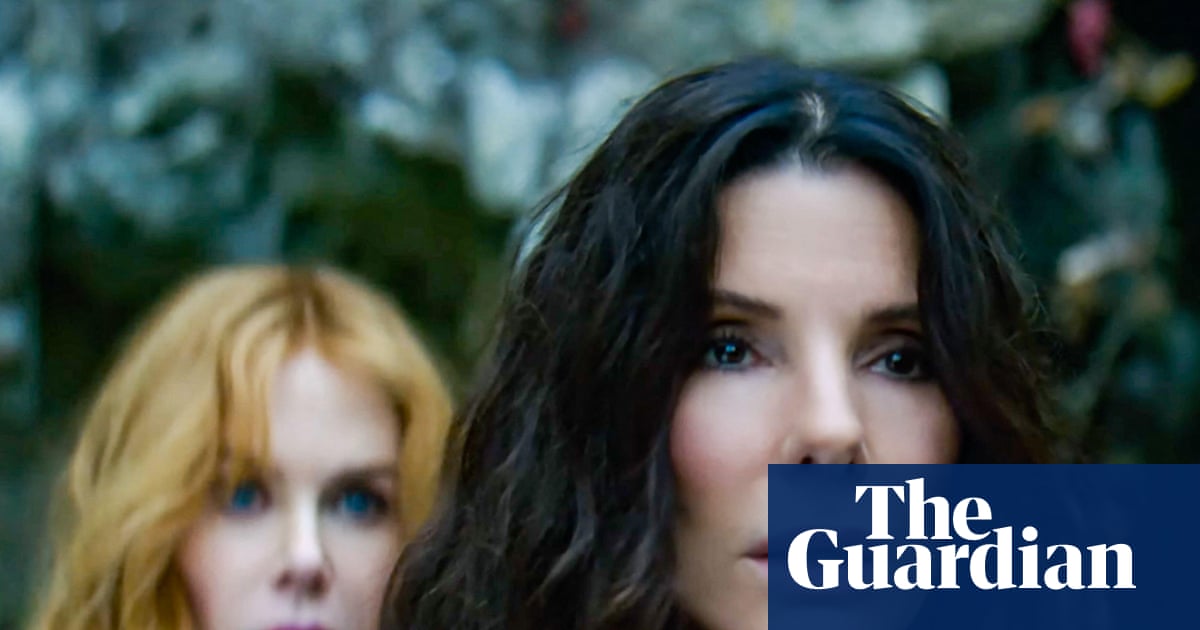
The announcement of Practical Magic 2 features Sandra Bullock and Nicole Kidman reprising their roles as Sally and Gillian Owens, prompting a rigorous examination of how the motion picture industry reevaluates legacy intellectual property featuring mature female leads. Historically, studios marginalized actors past a specific demographic threshold, yet contemporary franchise economics increasingly leverage nostalgic value to mitigate box office risk.
Reflecting on the 1998 release reveals a stark contrast in studio attitudes toward female-centric ensembles. Production leadership initially exhibited skepticism regarding the commercial viability of projects driven predominantly by women, with Bullock recalling dismissive inquiries about multiple female leads. Despite this skepticism, the property steadily accumulated a dedicated following, transforming into an enduring cult favorite.
The return of Dianne Wiest and Stockard Channing alongside the central leads reinforces generational continuity, while the addition of Joey King and Maisie Williams bridges demographic segments. This casting strategy maximizes multi-generational viewership, a critical operational lever for contemporary legacy sequels aiming to optimize theatrical yields across diverse cohorts.
Beyond acting, Bullock and Kidman exercised direct creative leverage by serving as producers, securing director Susanne Bier and preserving the atmospheric tone of the original film. This institutional control represents a significant departure from their historical positioning as talent-for-hire, illustrating a trend where prominent actors assert equity authority over derivative works.
The historical record of the 1998 Los Angeles premiere underscores the volatile nature of cinematic longevity. At the October 13 event, Kidman was absent due to theatrical commitments in London for The Blue Room, leaving Bullock to anchor the red carpet. The surrounding guest list, featuring Matthew McConaughey, Mariska Hargitay, and LeAnn Rimes, serves as an artifact of late-1990s entertainment culture.
In the contemporary landscape, legacy sequel viability relies on accrued IP equity. Studios operate within a risk-averse environment where established audience familiarity reduces marketing overhead and consumer acquisition costs, capitalizing on recognizable character dynamics over unproven concepts.
The cultural discourse surrounding aging actors exposes persistent industry double standards. While male stars routinely command major franchises well into later decades with minimal commentary, female actors face heightened visibility scrutiny. The commercial success of projects led by mature women functions as a counterweight, proving robust audience demand for experienced talent.
Economic structures require IP development to clear rigorous hurdle rates. Practical Magic 2 benefits from a recognized brand identity that eases international pre-sales and streaming licensing negotiations, exemplifying how capital allocation favors recognized properties over original screenplays.
Producing a sequel nearly three decades after the original introduces complex scheduling logistics. Coordinating high-demand principals requires extensive advance planning, highlighting the intricate choreography involved in assembling legacy talent rosters.
Media analysts note that the performance of Practical Magic 2 will influence future greenlights for generational properties. As studios scour archives for dormant assets, the ability of established actors to shepherd past works into modern iterations becomes a valuable asset class, shifting power dynamics between talent agencies and studio executives.
Ultimately, Practical Magic 2 encapsulates the convergence of nostalgic demand, evolving talent leverage, and risk mitigation in film finance, illustrating the shifting calculus of entertainment conglomerates.