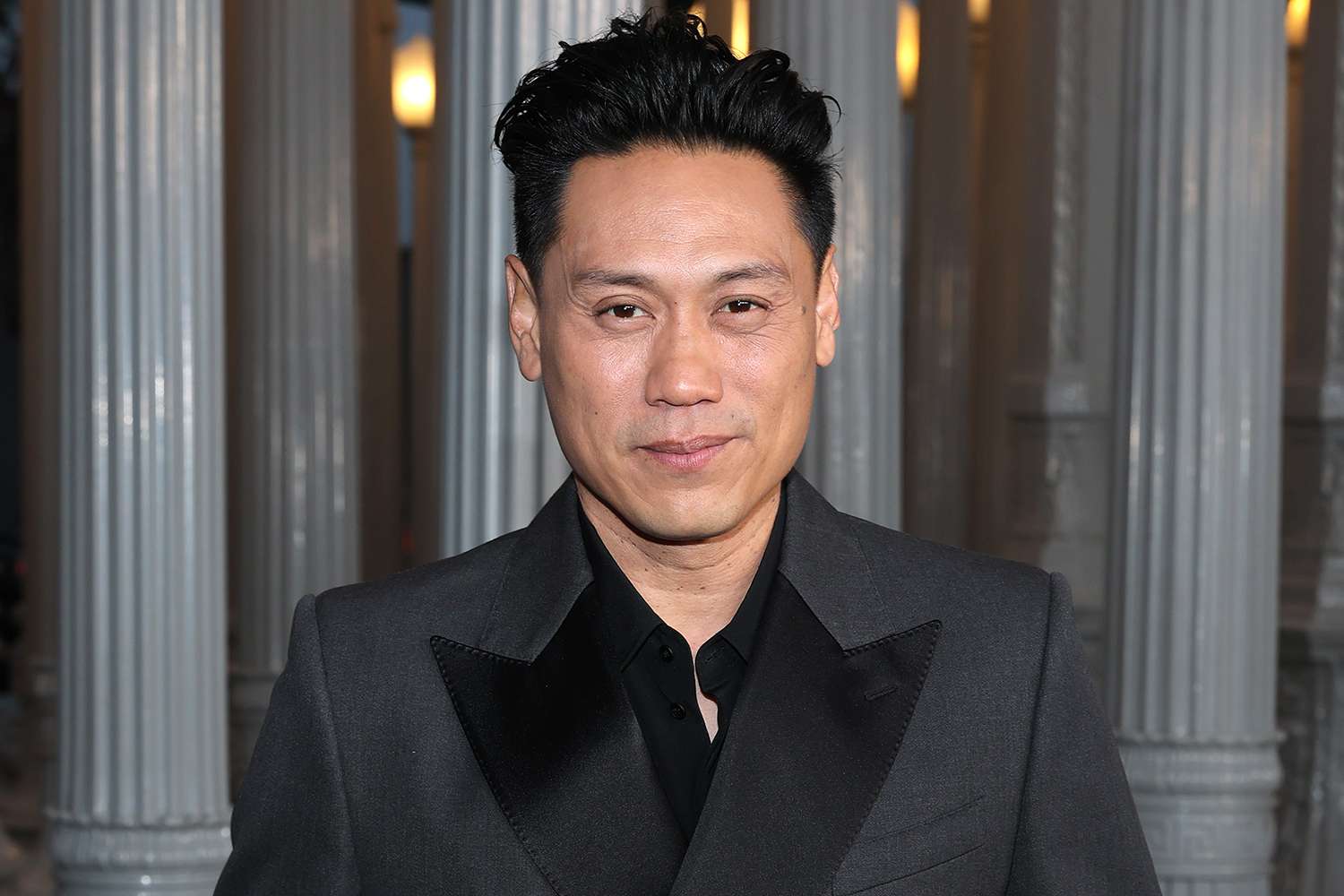
Jon M. Chu: Navigating Hollywood Through Strategic Self-Actualization
Jon M. Chu’s career trajectory offers a compelling case study in navigating the high-stakes creative industry of Hollywood. His candid reflections on experiencing imposter syndrome, particularly after significant early successes, underscore the often-unseen psychological pressures on high-profile talent and highlight the strategic necessity of self-definition within a highly visible, competitive ecosystem.
Chu articulated a profound sense of disbelief regarding his initial entry into the industry, likening it to having “won the lottery.” This perception of unearned fortune can paradoxically undermine a professional’s self-worth, leading to an internal struggle to reconcile external validation with personal conviction. This is a common phenomenon in fields where success metrics are often subjective and highly public, compelling a strategic internal recalibration of one’s value proposition.
The director’s insights, shared during a Canva Create panel, highlight a critical juncture in his career marked by the production of “Crazy Rich Asians.” This film, which he initially doubted would find an audience, dramatically reshaped his professional trajectory and challenged his preconceived notions of artistic merit and commercial viability.
“Crazy Rich Asians”: A Strategic Market Recalibration
“Crazy Rich Asians” emerged as a pivotal project, defying Chu’s initial concerns about its commercial viability. The film’s unexpected gross of $239 million, making it the highest-grossing romantic comedy of the 2010s, served as a powerful market recalibration. This commercial validation transcended mere financial success, definitively proving the significant demand for authentic, diverse narratives within mainstream cinema.
This success challenged entrenched studio assumptions regarding audience receptivity to culturally specific storytelling, fundamentally shifting investment paradigms for inclusive projects. Its box office performance provided concrete evidence of a substantial, underserved market segment, thereby influencing future studio greenlighting strategies and broader industry investment priorities in diverse content.
Chu’s candid admission of fearing financial failure for five years, to the point of telling his team he might not “make you any money,” highlights the significant *strategic risk* inherent in championing projects that diverge from established commercial templates, particularly within a studio system often characterized by risk aversion. The team’s unanimous commitment, despite perceived financial uncertainty, underscores the vital role of internal organizational trust and shared vision in empowering *strategic creative autonomy* and fostering disruptive market outcomes.
Strategic Evolution: From Reactive Success to Purpose-Driven Craft
Chu’s journey involved a conscious strategic pivot from attributing his success to mere luck to developing a more deliberate and personal approach to project selection. His stated need to “learn how to win in a different way” or “how to tell my story” signifies a crucial shift towards leveraging his unique perspective as a core *competitive differentiator* and proactively developing a distinct directorial brand in a saturated industry.
His current methodology for choosing projects, based on whether they “spark” him or if he feels he “has to tell this story,” functions as a sophisticated *strategic filter*. Far from abstract, this criterion ensures alignment between personal conviction and professional commitment. It translates into a robust framework for maintaining creative authenticity, fostering deep personal investment, and ultimately, producing work with a cohesive artistic signature, mitigating creative burnout and enhancing long-term career sustainability.
Industry Pressures and the Pursuit of Cinematic Legacy
Chu’s reflections also illuminated the pervasive pressure within Hollywood to emulate “the greats” who inspire contemporary filmmakers. The aspirational drive to forge a lasting cinematic legacy, while a potent motivator, simultaneously introduces intense self-scrutiny and a competitive imperative to differentiate within a pantheon of established masters. This often necessitates a delicate balance between commercial viability and significant artistic expression.
Hollywood’s institutional context, defined by hierarchical structures and an emphasis on proven track records, mandates that directors are assessed not merely on individual film performance, but on their career trajectory and demonstrable capacity to deliver consistently high-impact, critically acclaimed, and commercially viable work. In this environment, a director’s ability to articulate a clear artistic vision and demonstrate a strategic approach to their career management becomes paramount.
Portfolio Diversification and Future Strategic Trajectories
Looking ahead, Chu’s announced slate—a Britney Spears biopic, a live-action Hot Wheels movie, and an animated Dr. Seuss adaptation—demonstrates a clear *strategic diversification* of his professional portfolio. This approach allows him to explore different genres, formats, and target demographics, thereby expanding his creative footprint and market reach.
Directing a biopic offers an opportunity to delve into *character-driven narrative construction* and explore complex biographical themes, appealing to both critical audiences and a broad public fascinated by cultural phenomena. This move strengthens his capacity for nuanced storytelling and emotional resonance.
The live-action adaptation of Hot Wheels signifies a strategic embrace of *established intellectual property (IP)* and large-scale, effects-driven tentpole filmmaking. It showcases his capability to manage complex productions, deliver global commercial entertainment, and engage with a distinct, often highly lucrative, consumer demographic.
Furthermore, an animated Dr. Seuss adaptation represents a strategic expansion into the *highly specialized animation sector* and family-friendly content. This not only broadens his audience base but also demonstrates versatility across diverse production pipelines and storytelling mediums, enhancing his overall market adaptability.
This *multi-genre portfolio strategy* significantly mitigates career risk by diversifying his creative footprint across varied market segments, enhancing his adaptability, and solidifying his long-term relevance and influence as a versatile filmmaker within the industry.
Jon M. Chu’s evolution from self-doubt to strategic self-actualization provides a microcosm of modern Hollywood’s demands. His trajectory underscores that sustainable creative leadership necessitates not only artistic vision but also astute business acumen, strategic risk assessment, and a continuous recalibration of personal goals against evolving market dynamics. This fusion of artistic integrity and strategic foresight is paramount for navigating a competitive and constantly transforming creative industry.