PGA Tour Signature Events Reshape Competitive Dynamics and Career Trajectories
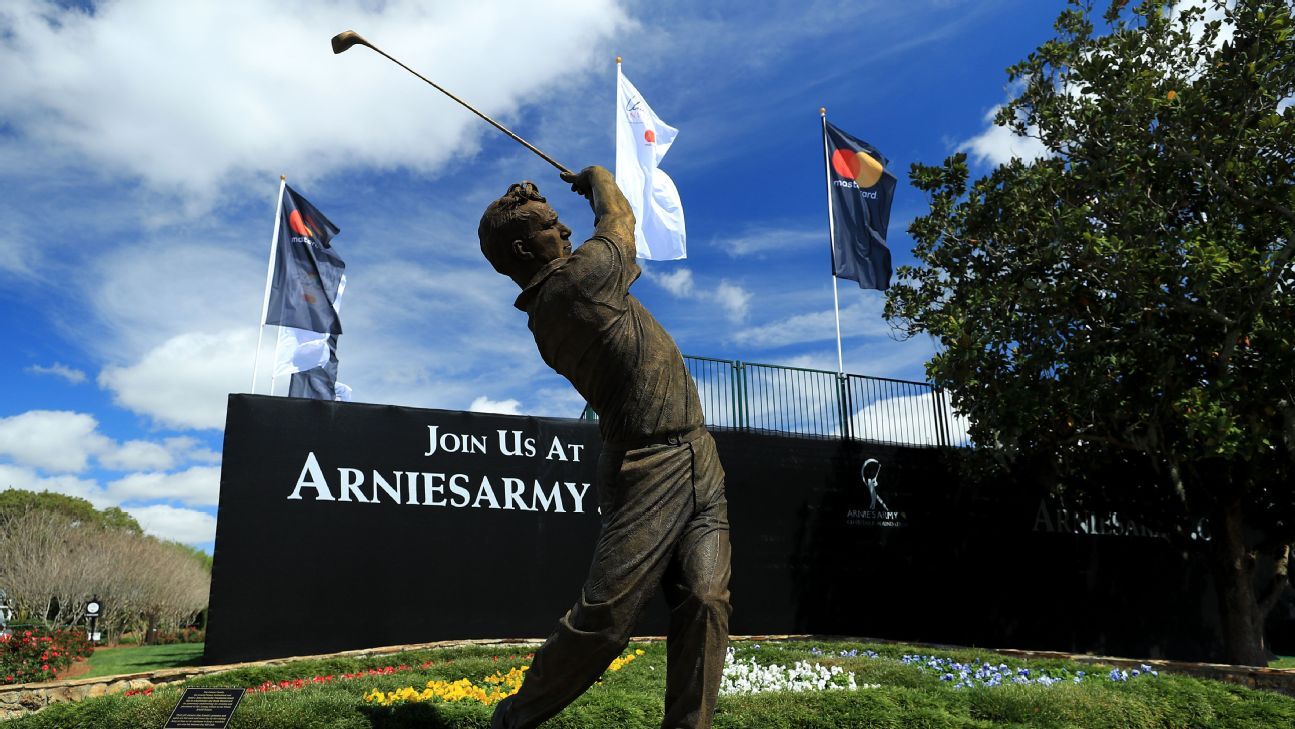
The 2026 Arnold Palmer Invitational at Bay Hill serves as a definitive case study in the evolving competitive structure of professional golf, illustrating how strategic adjustments to event formats and financial incentives are fundamentally altering player career trajectories and institutional positioning. The tournament’s designation as a signature event, highlighted by a $20 million purse and a $4 million winner’s share, concentrates top-tier talent and amplifies the stakes for both established stars and players seeking to regain competitive footing.
The high concentration of talent, with 23 of the top 25 golfers participating, underscores the effectiveness of the signature event model in compelling elite players to compete in specific tournaments. This structural change, implemented by the PGA Tour, directly addresses competitive pressures by ensuring a consistent, high-value product for media partners and sponsors. The resulting concentration of capital and talent creates a heightened competitive environment where individual performance carries significant leverage for career advancement and financial security.
The Strategic Imperative of Signature Events and Market Dynamics
The signature event framework represents a strategic response by the PGA Tour to maintain market dominance and media relevance in a disrupted landscape. By guaranteeing a field composed almost entirely of the world’s best players, these events maximize broadcast value and sponsor engagement. The substantial increase in prize money serves as the primary mechanism for aligning player incentives with the tour’s institutional goals, effectively creating a premium tier of competition. This structure fundamentally shifts the economic model for professional golfers, concentrating prize money in fewer, high-profile events. This increases financial variance for players; while top performers stand to gain significantly more from a single victory, the pressure to perform in these specific events intensifies.
Performance Leverage and Career Trajectory: The Case of Daniel Berger
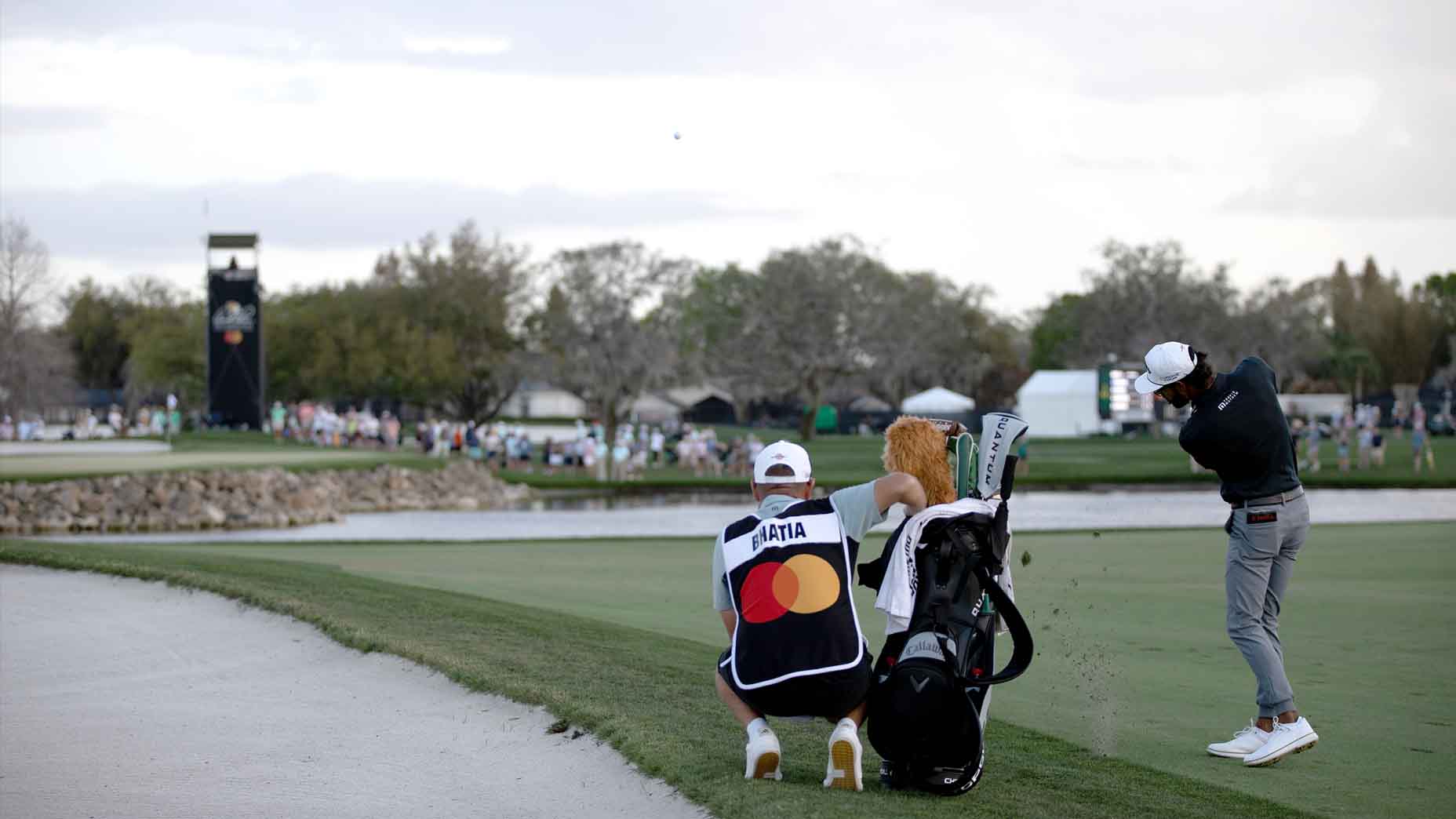
The narrative surrounding Daniel Berger’s performance at the 2026 Arnold Palmer Invitational highlights the high-stakes nature of performance leverage in this new environment. Berger, once ranked No. 12 in the Official World Golf Rankings, experienced a significant decline following a series of injuries, including a bulging disc issue that required 19 months away from competition. His subsequent return to the PGA Tour saw him struggle to regain his previous standing, underscoring the fragility of competitive positioning in professional sports.
Berger’s current lead at Bay Hill represents a critical inflection point in his career trajectory. A victory would not only end a five-year winless streak since the 2021 AT&T Pebble Beach Pro-Am but also provide immediate access to critical institutional pathways, specifically a qualification for the Masters. This direct link between performance in a signature event and access to major championships demonstrates how the new structure amplifies the consequences of individual results, offering a pathway for players to rapidly regain lost ground. The $4 million winner’s share provides immediate financial security and significantly impacts a player’s standing on the season-long money list, incentivizing players to manage physical and mental resilience effectively.
Stakeholder Implications and Competitive Dynamics
The concentration of top players in signature events creates distinct implications for various stakeholders. For media partners like ESPN, the guaranteed participation of elite talent ensures maximum viewership and return on investment for broadcast rights. The high-stakes nature of the competition, driven by the large purses and qualification implications, enhances the media product’s narrative appeal, attracting a broader audience.
For the players themselves, the signature event model creates a tiered competitive structure. While the top 25 players benefit from increased prize money and guaranteed entry, players outside this elite group face heightened competition for remaining spots in these high-value tournaments. This structure potentially widens the gap between the top echelon of professional golf and the rest of the tour, impacting player pathways and career development for emerging talent. The presence of defending champion Russell Henley, ranked No. 7 in the world, further illustrates the competitive intensity of the signature events, ensuring even established players face intense pressure to maintain their position against a field where nearly every competitor is a top-tier performer.
Conclusion: A New Era of Competitive Dynamics
The 2026 Arnold Palmer Invitational exemplifies the new competitive dynamics shaping professional golf. The signature event model, driven by high financial incentives and strategic institutional design, successfully concentrates top talent and elevates the stakes for individual players. For a player like Daniel Berger, a potential victory represents more than just a win; it signifies a return to relevance and a re-establishment of performance leverage within a highly competitive and financially demanding structure. The tournament’s high participation rate and significant purse demonstrate the effectiveness of the PGA Tour’s strategy in maintaining its position in the sports market. The implications extend beyond individual player narratives, impacting media rights value, competitive balance, and the long-term career management strategies of professional golfers.