The Nexus of Media, Sport, and Business Identity: Unpacking the NASCAR Athleticism Debate
A resurfaced public discourse challenging the athletic credentials of NASCAR drivers has rapidly escalated, drawing in prominent sports media personalities and significant industry stakeholders. This is not merely a debate over physical prowess; it’s a strategic flashpoint revealing underlying tensions in sports media, brand positioning, economic valuation, and the competitive standing of professional motorsports within the broader entertainment landscape. The engagement of high-profile figures, from veteran drivers to team owners with substantial capital investments, immediately elevates the narrative, underscoring how perceptions of athleticism directly influence a sport’s marketability, its appeal to sponsors, and ultimately, its financial health.
The initial contention, often framed as a provocative ‘hot take’ by multi-sports commentators, serves a commercial function inherent in modern media: generating audience engagement and driving viewership across diverse platforms. While controversial, such commentary strategically leverages established personas and broad reach, creating a ripple effect that demands a response from the industry, thereby increasing media consumption and highlighting the strategic imperative of narrative control.
Quantifying Elite Performance: Debunking Motorsports Misconceptions
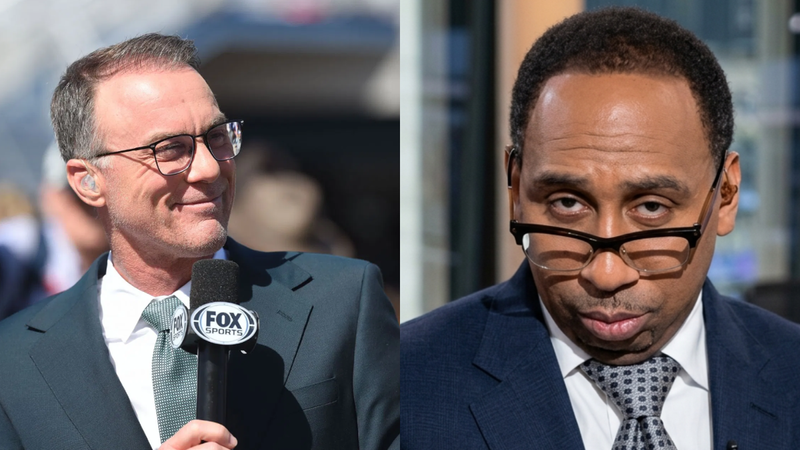
Direct rebuttals from within the NASCAR community swiftly introduced empirical data to challenge the commentary’s factual basis. Veteran driver Kevin Harvick, for instance, provided specific operational evidence: tracking over 3,000 calories burned during a single race, an exertion level so significant it prompted his smartwatch manufacturer to question the device’s calibration. This tangible metric unequivocally illustrates the sustained physiological output required, directly countering the perception of driving as a purely sedentary activity.
Beyond caloric expenditure, the operational demands on a NASCAR driver encompass a complex array of physical and cognitive skills. Drivers must endure extreme G-forces in corners, navigate intense cockpit temperatures often exceeding 120°F (49°C), and maintain hyper-focused concentration for hours. This sustained performance under duress requires exceptional cardiovascular fitness, muscular endurance for precise steering and pedal control, and unparalleled mental fortitude for split-second decision-making amidst high speeds, vehicle dynamics, tire degradation, and fuel management. These rigorous physical and mental requirements are not just anecdotal; they are critical for maintaining competitive advantage and consistent elite performance throughout a race, directly influencing outcomes and career longevity.
Strategic Stakeholder Defense: Protecting Brand & Investment in Motorsports
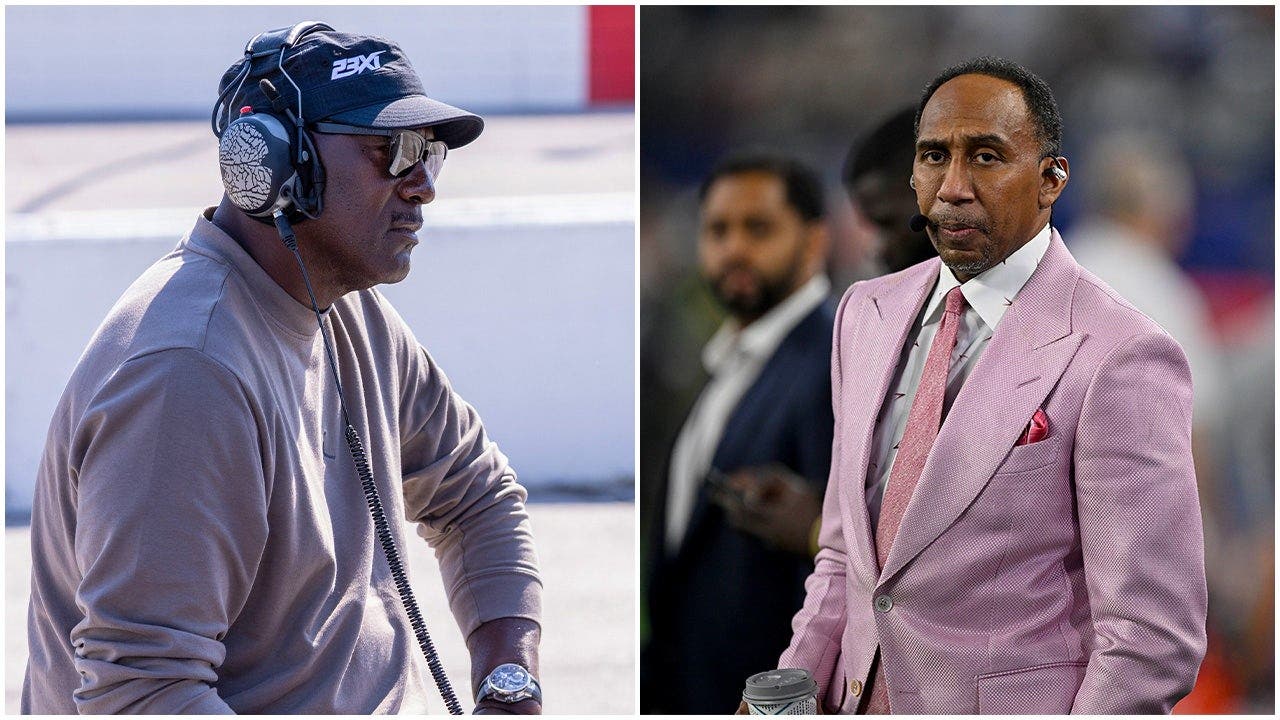
The debate gained significant strategic weight with the reported intervention of Michael Jordan, co-owner of 23XI Racing. Jordan’s involvement is pivotal not only due to his legendary status as a global athlete but more crucially because of his substantial capital investment in the sport. His direct engagement with the commentator reflects a potent defense of his commercial interests and the brand equity of his team and, by extension, NASCAR itself. For an owner, the perception of drivers as elite athletes is intrinsically linked to team marketability, its capacity to attract top talent, and its appeal to high-value corporate sponsors.
NASCAR as an institution, alongside its teams and drivers, must actively manage this public narrative. Maintaining the perception of its participants as high-level, highly trained athletes is paramount for its competitive positioning against other major professional sports leagues. This influences how the sport is viewed by potential fans, advertisers, and future talent, directly impacting its long-term growth trajectory and revenue streams. The collective defense, exemplified by Jordan and drivers like Denny Hamlin (also a co-owner), is a strategic exercise in reputation management aimed at reinforcing the legitimacy and rigor of professional stock car racing as a demanding athletic discipline.
The Evolving Media Landscape and Authority in Sports Commentary
This incident also illuminates broader trends within sports media, particularly the tension between generalist commentators, often driven by engagement metrics, and specialized expertise. While multi-sports commentators offer broad appeal through their provocative ‘takes,’ their engagement with niche sports can sometimes reveal an incomplete understanding of operational specifics and the nuances of athlete performance. The pushback from industry veterans, who possess deep contextual knowledge and empirical data, highlights the ongoing struggle for authoritative voice in a fragmented media environment.
This dynamic shapes how information is consumed and interpreted by the public, profoundly influencing perceptions of various sports. The media’s power in shaping these narratives carries significant weight for the industries and individuals it covers, underscoring the necessity for robust communication strategies from sports organizations to accurately represent their athletic demands and professional integrity.
Long-Term Impact: Talent Pipeline, Sponsorship & Market Valuation
The financial ecosystem of professional sports is heavily reliant on the marketability of its athletes. Sponsors invest substantial capital to associate their brands with peak performance, dedication, and the aspirational qualities embodied by elite athletes. If NASCAR drivers are not widely recognized as athletes, it could significantly diminish the sport’s appeal to potential sponsors, impacting revenue generation for teams, drivers, and the league. The ability to attract and retain high-value sponsorships is a critical determinant of financial health and competitive viability within motorsports.
Furthermore, the public perception of NASCAR drivers as legitimate athletes has downstream effects on talent acquisition and development. Young aspiring racers, and their families, are more likely to invest significant resources and commitment if the career path is viewed as a legitimate professional athletic pursuit. A robust talent pool, attracted by the prestige and professional opportunities of an athletic career, is vital for the long-term competitive health and excitement of the sport. This also influences the ability to attract top-tier fitness and sports science professionals, further solidifying the athletic bona fides of drivers.
Historically, non-traditional sports have often strived for recognition within a broader athletic paradigm. The inclusion of data-driven metrics in motorsports, such as heart rate variability, calorie expenditure, and G-force tolerance, provides modern empirical evidence supporting claims of athletic rigor. This shift from anecdotal observation to quantifiable performance data is crucial in shaping a contemporary understanding of athleticism, opening pathways for diverse sports to gain greater mainstream acceptance and commercial viability.
Conclusion: The Enduring Battle for Perception and Value in Motorsports
Ultimately, this public exchange underscores the intricate interplay between media influence and sports economics. Opinions expressed by influential commentators, even when challenged, can shape public sentiment, which in turn affects viewership, advertising revenue, and critical investment decisions. For a sport like NASCAR, operating within a highly competitive entertainment market, managing its public image is not merely a matter of pride but a critical economic function. The ability to effectively counter narratives that undermine its athletic credibility is paramount to its sustained financial success and growth. The ongoing dialogue reinforces that in the modern sports landscape, the battle for perception is as significant as the competition on the track, with tangible consequences for all stakeholders involved.