Decentralized R&D: The Shift from LTO to MVP
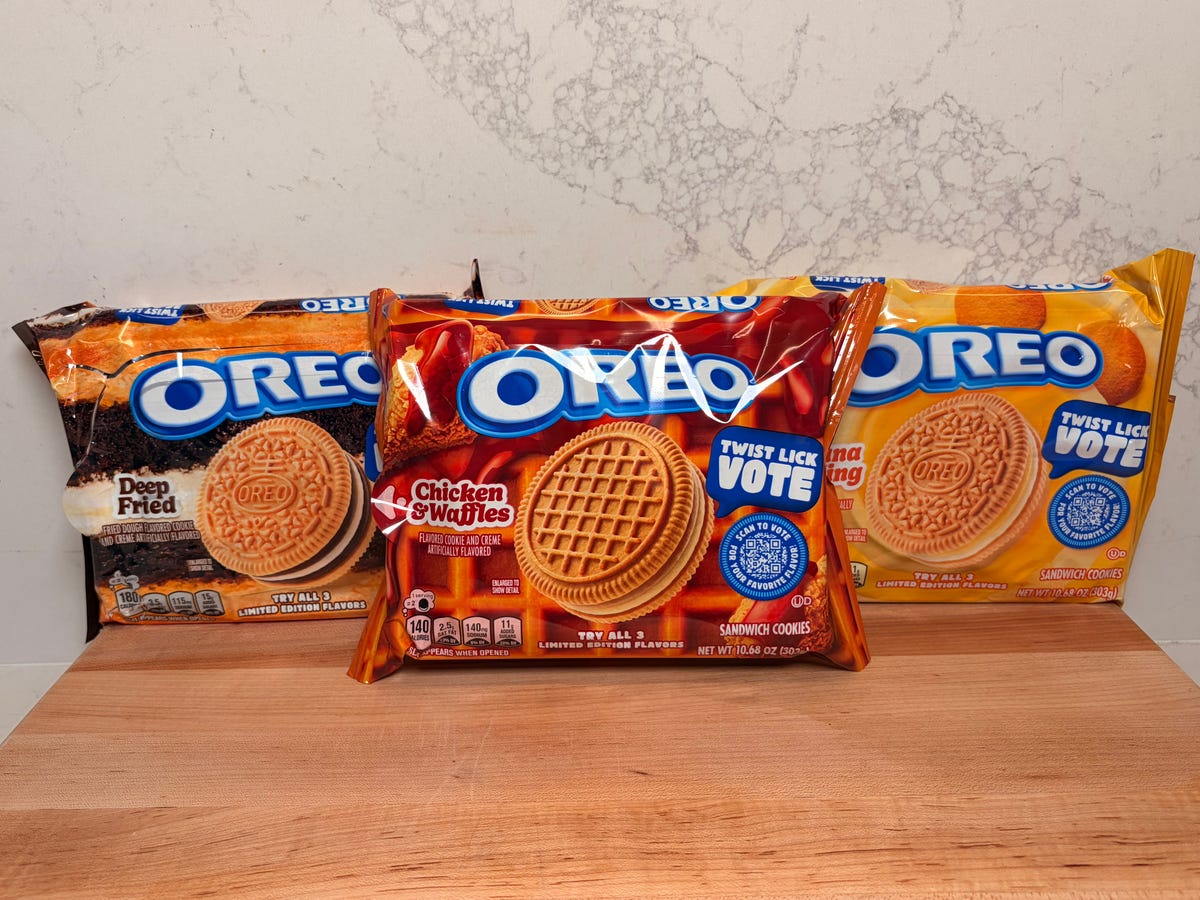
Oreo’s 2026 release of Chicken & Waffles, Deep Fried, and Banana Pudding signifies a paradigm shift in Limited-Time Offerings (LTOs). Rather than utilizing LTOs solely for seasonal hype, the brand is employing a ‘Minimum Viable Product’ (MVP) testing model. By delegating the 2027 permanent SKU selection to a public vote, Oreo effectively externalizes R&D decision-making, ensuring that long-term inventory investments are backed by validated consumer demand data.
Manufacturing as a Competitive Moat
The technical execution of the Chicken & Waffles and Banana Pudding variants highlights a strategic deployment of dual-layered creme technology. This capability facilitates complex, multi-sensory profiles—pairing savory and sweet notes—that are difficult for generic competitors to replicate. Furthermore, the specialized waffle-textured embossment on the Chicken & Waffles cookie represents a high-capital expenditure in tooling, signaling that ‘shock’ flavors are now viewed as high-value assets for brand equity rather than mere novelties.
The Social-to-Shelf Conversion Loop
The August 17 pre-sale exclusively on Oreo.com and TikTok Shop represents an aggressive pivot toward social commerce. By bypassing traditional retail for the initial launch phase, Oreo captures high-margin Direct-to-Consumer (DTC) data and utilizes TikTok’s algorithmic discovery to fuel organic reach. This digital-first approach creates a self-sustaining feedback loop: social sentiment drives transactional volume, which then provides a proof-of-concept for the nationwide retail rollout on August 24.
Risk Mitigation and Lifecycle Management
The competitive gamification of these three flavors creates artificial scarcity, driving immediate conversion before the window closes in October. The incentive structure—a year’s supply of original Oreos for participants—strategically anchors the consumer to the flagship product, preventing ‘flavor fatigue’ from cannibalizing core sales. This lifecycle concludes on October 13 with the winner’s announcement, providing a data-backed roadmap for 2027 production cycles and reducing the probability of future inventory write-downs.