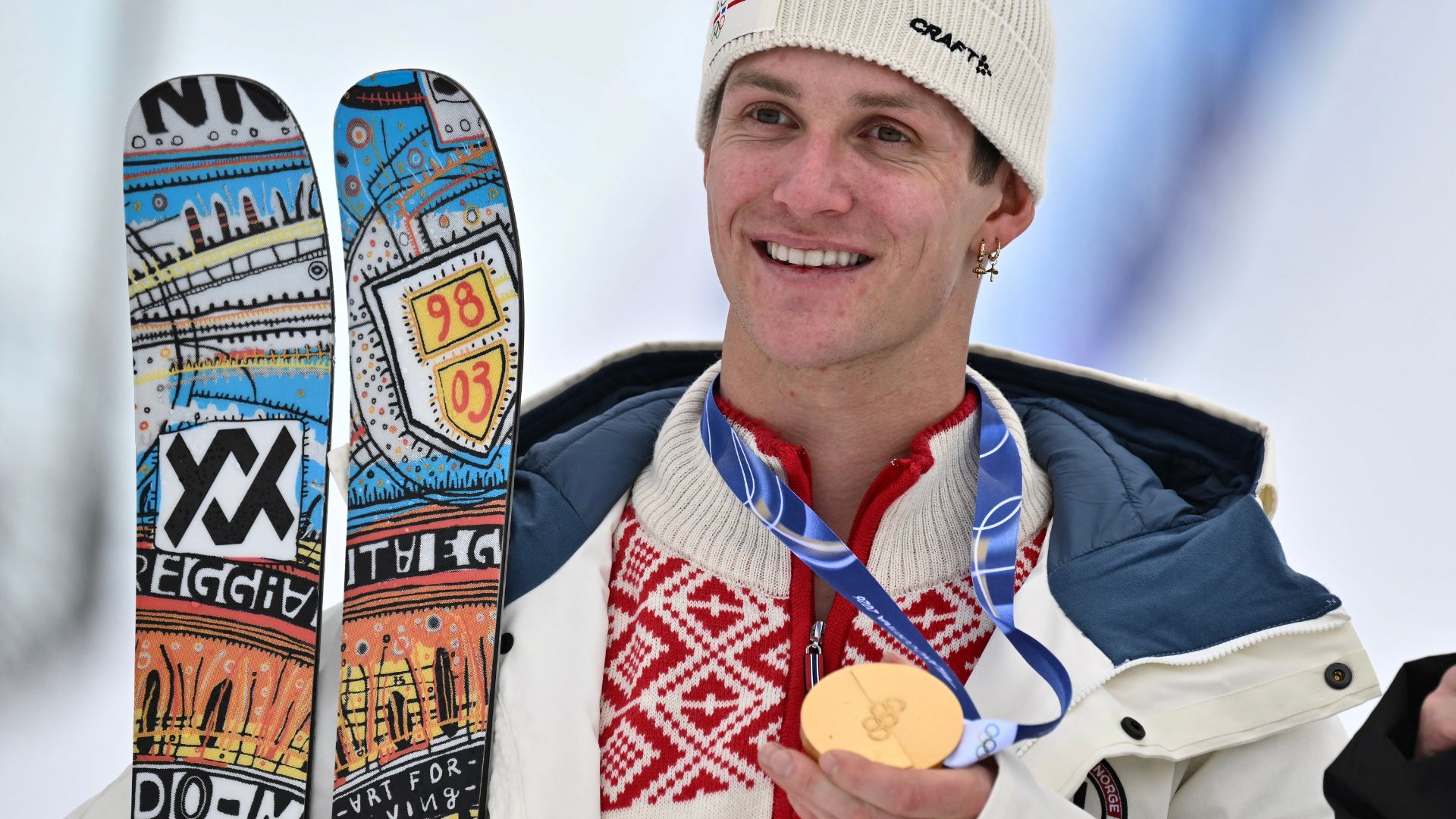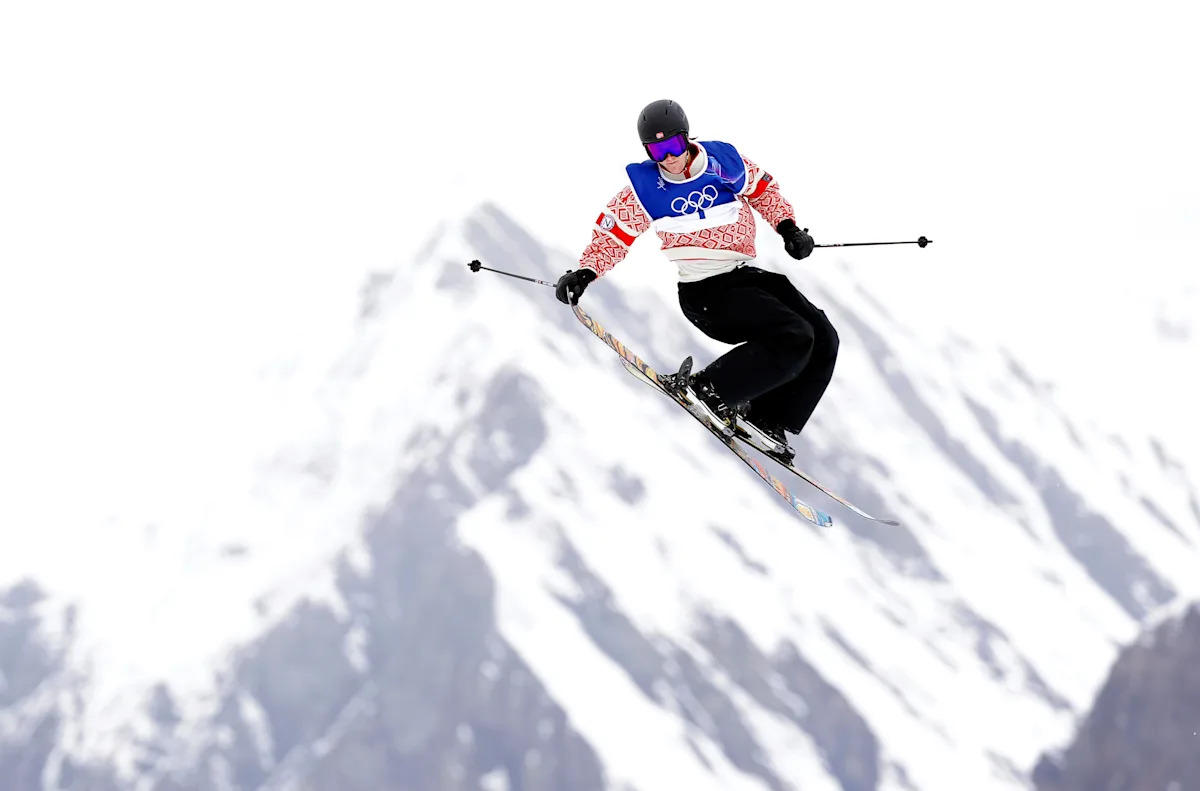
The recent Winter Olympics in Livigno, Italy, featured significant developments in freestyle skiing, specifically within the slopestyle discipline. Norway’s Birk Ruud successfully claimed the Olympic gold medal in the men’s slopestyle event.
This victory marks a notable continuation of Ruud’s elite performance trajectory, as he now pairs this slopestyle success with a big air title achieved four years prior in China. Such consecutive achievements across major international skiing competitions highlight the sustained institutional focus required by national sporting bodies to maintain high performance in technically demanding, multi-discipline sports.
Environmental Constraints on Elite Performance
The competition conditions in Livigno presented a distinct challenge for the athletes. Reports indicate that the day was characterized by gray skies, which significantly impacted the sightlines available to competitors navigating the complex slopestyle course architecture.
In high-level freestyle skiing, the technical nature of the course demands impeccable spatial awareness, where visibility directly correlates with the safe execution of complex aerial maneuvers and rail slides. The environmental constraint imposed by poor sightlines introduces a layer of administrative difficulty for event organizers, who must balance competitive integrity—ensuring athletes can accurately perceive landing zones and jump trajectories—against scheduling requirements mandated by broadcasting agreements and overall logistical planning for the Games.
The Context of US Athlete Alex Hall
The men’s event also featured strong representation from the United States, with athlete Alex Hall competing in the slopestyle final.
While Hall did not secure the top podium position, subsequent analysis of his competitive approach emphasized a sense of personal closure regarding his execution. The concept of leaving a competition with “zero what-ifs” speaks to the psychological infrastructure required for world-class athletes, often supported by national sports programs that emphasize process goals over purely outcome-based metrics in evaluation.
This psychological framework acknowledges that, in subjective judging sports like slopestyle, external factors—including slight judging variations or momentary performance fluctuations—are inherent risks. The institutional focus then shifts toward ensuring the athlete executed the highest degree of difficulty they had prepared for, thereby maximizing control within an inherently variable environment.
Structural Dynamics of Slopestyle Judging
Slopestyle judging operates within a structured framework designed to evaluate technical difficulty, execution amplitude, variety, and overall impression. The competition platform requires athletes to link multiple distinct features—jumps, rails, boxes—into a cohesive run, demanding mastery over diverse skill sets.
The positional outcome, such as Ruud’s gold and Hall’s placement, results from the aggregation of scores across several judging panels. The margin separating medal positions is frequently narrow, underscoring the critical importance of landing consistency and the successful execution of high-risk elements under pressure. The structure of the Olympics mandates that these results are final for that specific event cycle, serving as the definitive measure of supremacy for that four-year period.
Implied Institutional Commitments in Multi-Discipline Success
Birk Ruud’s achievement of both a big air title and a slopestyle gold across separate Olympic cycles implies a significant strategic alignment between the athlete and the organizational support structure of Norwegian skiing.
Maintaining competitive parity across both big air (a singular, high-risk feature focus) and slopestyle (a sequence-based, comprehensive course execution) requires varied training regimens, specialized coaching staff dedicated to specific technical domains, and sustained financial investment through national sports federations. This dual success reflects an organizational capacity to manage resources effectively across distinct, yet related, competitive formats within the sport’s global governing structure.
The Broader Context of Olympic Team Composition
Beyond the men’s slopestyle outcome, the source data tangentially references participation in other disciplines, specifically mentioning Hannah Bilka’s involvement in women’s Olympic hockey for Canada, scoring against an unmentioned opponent.
This incidental inclusion underscores the vast organizational scope of the Winter Games. The logistics required to field competitive teams across disciplines as disparate as high-speed, tactical team sports (hockey) and gravity-defying individual maneuvers (skiing) necessitate complex administrative oversight regarding funding allocation, athlete development pathways, and international federation compliance across multiple sports governing bodies.
Media Accessibility and Technological Constraints
A structural note embedded within the source data points to technical limitations concerning media consumption, mentioning that some components of NBCOlympics.com may not be optimized for older web browsers such as Internet Explorer 11 or earlier systems.
This observation is relevant to the contemporary media landscape surrounding major sporting events. Rights holders invest substantial capital into digital distribution platforms, and the operational reality involves balancing backward compatibility with the necessity of deploying modern, resource-intensive web technologies necessary for rich media delivery, live data feeds, and interactive coverage. The decision to deprioritize support for legacy software versions reflects a strategic calculus prioritizing current user demographics and ensuring platform stability for the majority of digital consumers accessing high-value event coverage.
The Nature of Elite Freestyle Competition
The core narrative—the pursuit of victory amid challenging conditions—reflects a continuous theme in elite sport where human agency confronts environmental variables. For athletes like Ruud and Hall, success is not merely about physical aptitude but about developing regulatory mechanisms to maintain optimal decision-making processes when sensory input is degraded, such as during periods of low light or poor sightlines.
This capacity for sustained high-level performance under adversity is precisely what distinguishes Olympic champions. Institutional analysis of these outcomes often examines the mental conditioning programs implemented by national training centers, which aim to simulate and inoculate athletes against the inevitable logistical and environmental imperfections encountered on the global stage.