The Ligue 1 season opener between Toulouse and Olympique Lyonnais (OL) has transitioned from a standard fixture into a critical case study of institutional friction and tactical risk management. Following a 1-1 draw against Fenerbahçe in the Champions League playoff first leg, Lyon’s management has implemented a radical operational pivot: a 100% squad rotation necessitated by the Ligue de Football Professionnel’s (LFP) refusal to adjust the domestic calendar.
The Fiscal Imperative of Continental Qualification
For OL, the return leg in Istanbul is a high-stakes financial junction. Champions League group stage revenue remains the primary engine for debt servicing and maintaining Financial Fair Play (FFP) compliance. By opting for a total overhaul at the Stade de Toulouse, manager Paulo Fonseca is effectively insulating his primary assets from the attrition of a congested schedule, signaling that immediate domestic points are secondary to the club’s long-term economic viability.
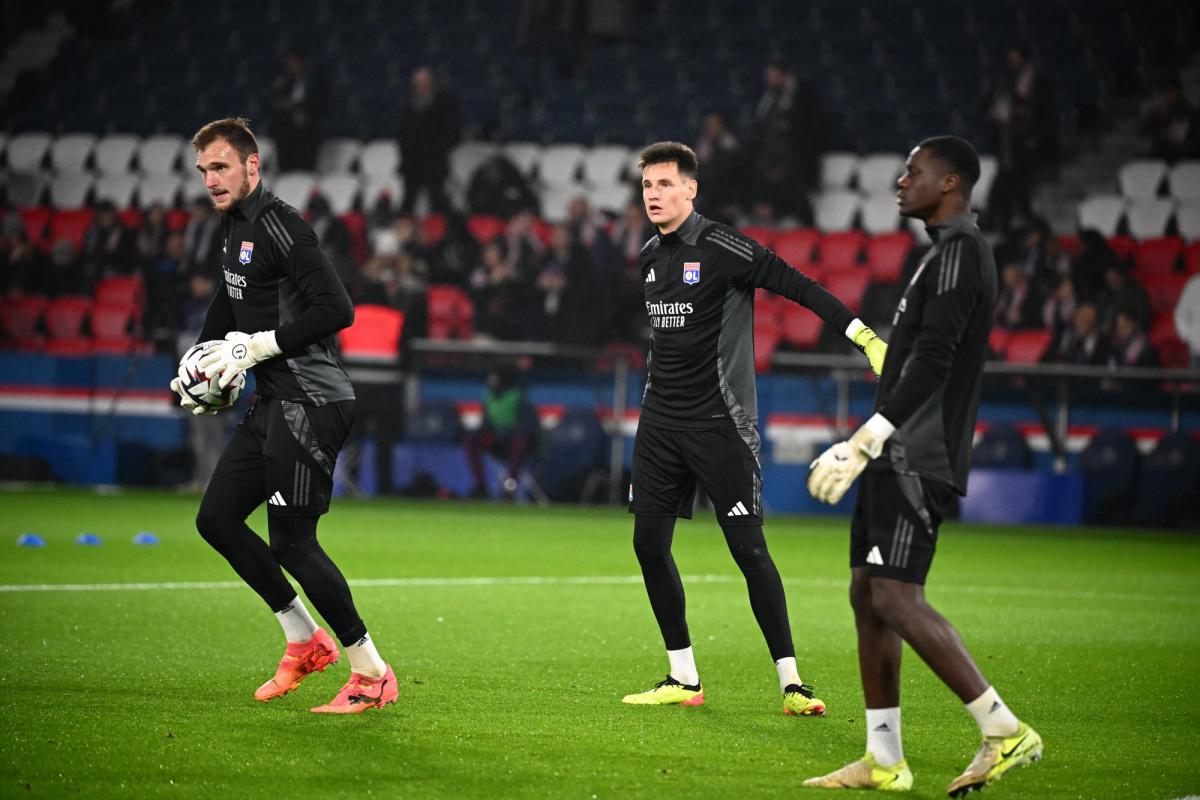
The substitution of Rémy Descamps for Dominik Greif in goal serves as the tactical anchor of this strategy. This choice underscores a commitment to roster depth over continuity, forcing a reserve unit to maintain competitive integrity against a well-rested Toulouse side currently positioned 8th in the standings.
Institutional Friction and Regulatory Precedent
The public dissatisfaction voiced by captain Corentin Tolisso highlights a perceived lack of administrative support for French clubs in Europe. Lyon’s frustration stems from a perceived inconsistency in LFP scheduling protocols, particularly when compared to historical adjustments granted to other top-tier clubs like PSG or Lens. This rigidity forces an artificial choice between domestic momentum and the collective UEFA coefficient, creating a strategic disadvantage for clubs navigating the qualifying rounds.
Tactical Risks and Competitive Hierarchy
Fielding an entirely revisited eleven introduces significant operational risks regarding tactical cohesion. While preserving fitness for the Fenerbahçe clash, Lyon faces a Toulouse team eager to exploit a disjointed lineup. For the hosts, this match is a strategic opportunity to disrupt the established hierarchy and capitalize on Lyon’s preoccupation with European survival.
The outcome will serve as a referendum on Lyon’s squad management policy. Success would validate a masterclass in risk mitigation; failure would intensify the debate surrounding the LFP’s role in supporting its member clubs’ international ambitions. Ultimately, the fixture illustrates the modern footballing reality where financial sustainability dictates every operational decision on the pitch.