
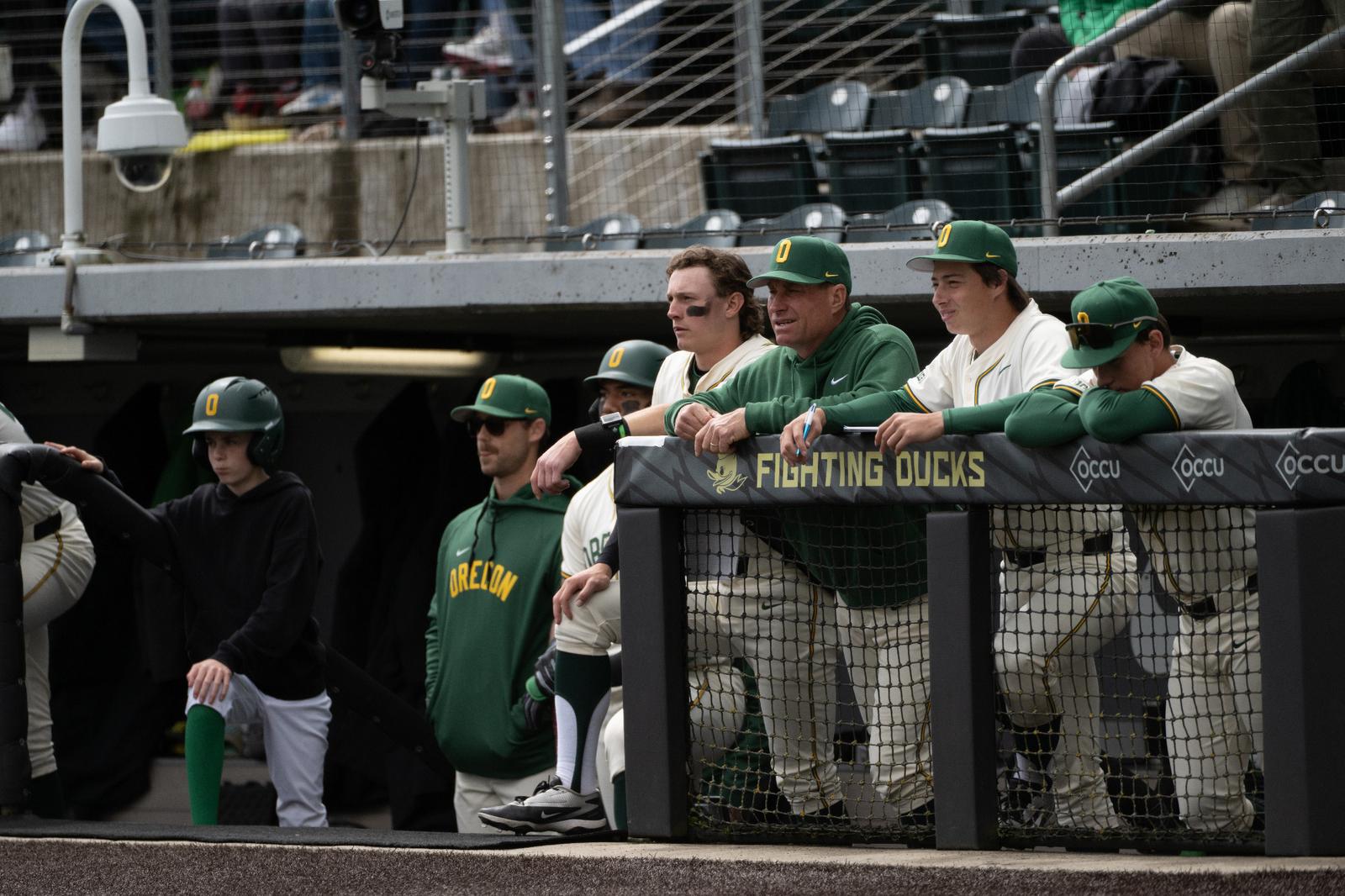
NCAA Baseball: USC vs. Oregon Series to Dictate Postseason Hosting and Seeding
The No. 16 Oregon Ducks (36-14, 18-9 Big Ten) are set to host the No. 17 USC Trojans (41-12, 19-8 Big Ten) in a pivotal three-game series at PK Park. This final regular-season conference matchup carries substantial weight, directly impacting both teams’ prospects for higher seeding in the Big Ten Conference tournament and, crucially, the possibility of hosting an NCAA tournament regional series.
Postseason Implications Drive Intensity
This series represents a critical juncture for both programs. Oregon, trailing USC by a single game in the Big Ten standings, can leapfrog the Trojans and secure a more favorable position in the single-elimination conference bracket. The outcome will also significantly influence their chances of being selected as an NCAA regional host site, a distinction offering a considerable home-field advantage and enhancing recruiting visibility.
The stakes are amplified by both teams’ top-20 national rankings, underscoring the quality of competition and the potential ripple effects across collegiate baseball. A strong performance solidifies a team’s resume for national seeding, while a stumble could complicate their postseason path.
Oregon’s Home Dominance as a Strategic Factor
Oregon’s strong performance at PK Park, where they boast 21 consecutive home series wins dating back to March 2024, provides a significant strategic advantage. This sustained home-field success, including 14 series wins at home and nine within conference play, suggests a team that thrives in familiar conditions, building a robust home-field advantage difficult for opponents to overcome.
This established pattern of home series victories indicates deep-seated operational strength and a psychological edge for the Ducks. For USC, overcoming this formidable home record will require exceptional play and the ability to manage pressure in a hostile environment, potentially forcing strategic adjustments.
Key Player Performances and Program Strengths
Individual player performances are critical in high-stakes matchups. Oregon’s recent successes are bolstered by notable achievements, including Smith’s inclusion on the Golden Spikes midseason watch list and Cooney’s recognition as Big Ten Player of the Week (ranking eighth nationally in hits). The team’s overall strength is further evidenced by leading the nation in two pitching categories and achieving three shutouts during a five-game California road trip, a rare program feat.
The emergence of freshman Mabeus as a full-time backstop and the continued strong performance of players like Molony suggest a well-rounded roster with depth. These individual contributions and emerging talents are crucial for the current series and indicate a developing talent pipeline influencing future program trajectories and competitive positioning.
Competitive Landscape and Conference Dynamics
The competitive intensity of this series reflects the Big Ten’s evolving baseball landscape. Both Oregon and USC are vying for a top-four finish, essential for advancement in the single-elimination conference tournament format. This format inherently amplifies the importance of every conference game, as a single loss can disproportionately impact tournament seeding and championship aspirations.
With Oregon trailing USC by just one game in conference standings, the series outcome will likely decide the regular-season conference champion and, by extension, the top seed in the Big Ten tournament. This direct competition for conference supremacy adds strategic importance, influencing coaching decisions, player motivation, and the overall narrative of the final week of conference play.
Operational Execution in High-Leverage Moments
Live score updates from extended extra innings highlight the razor-thin margins defining critical collegiate baseball games. A go-ahead home run in extra innings, following strong pitching, demonstrates the immense pressure and need for flawless execution from both pitchers and hitters in clutch situations. Delivering a decisive blow in a high-leverage moment, despite previous defensive efforts, underscores the fine line between victory and defeat.
Strategic pitching changes and offensive responses illustrate the tactical chess match that unfolds. These operational decisions, made under duress, can directly dictate outcomes and have significant downstream effects on team morale, conference standings, and postseason seeding.
Broader NCAA Tournament Aspirations
Beyond conference accolades, the ultimate goal for both Oregon and USC is a deep run in the NCAA tournament. Hosting a regional is a significant step, minimizing travel, maximizing crowd support, and allowing play on familiar turf. The performance in this series will not only shape their Big Ten tournament seeding but also serve as a crucial data point for the NCAA selection committee when determining regional host sites.
A strong showing against a highly-ranked opponent can bolster Oregon’s resume for hosting, especially with a series win. Conversely, a disappointing performance could diminish their chances, forcing reliance on overall season metrics for a top-16 national seed. The competitive parity suggests both teams are on the cusp of significant postseason success, with this series acting as a critical determinant.
Strategic Incentives and Risk Management
The strategic incentives are clear: maximize Big Ten standing and secure favorable NCAA tournament positioning. For Oregon, winning the series is paramount to potentially claiming the regular-season conference title and enhancing their hosting bid. This necessitates calculated risk management, balancing aggressive play with avoiding costly errors or pitching meltdowns.
USC, already in a slightly stronger standings position, aims to maintain their lead or secure a split. Their strategy may involve a more conservative approach, focusing on solid pitching and timely hitting. Coaching staffs will monitor pitch counts, player fatigue, and situational performance, making strategic adjustments to mitigate risks and capitalize on opportunities.
Performance Leverage and Program Trajectory
The leverage of performance in this series extends beyond the immediate win-loss record, impacting program momentum, player confidence, and the perception of coaching staff effectiveness in high-pressure situations. A dominant series win provides a significant psychological boost, while a series loss, particularly at home, could create doubt.
Oregon’s pitching staff’s ability to consistently shut down USC’s offense will be a key indicator of preparedness. Similarly, USC’s capacity to generate offense against Oregon’s top arms will demonstrate resilience. These performances will influence the current series outcome and set a precedent for future postseason matchups.
Media Exposure and Stakeholder Engagement
This top-20 showdown garners significant media attention, amplifying pressure and rewards. Live score updates and broadcast coverage ensure performance is scrutinized by fans, alumni, and potential recruits. High visibility can also influence donor engagement and institutional investment in athletic programs.
For coaches and players, this high-exposure environment tests their ability to perform under scrutiny. Success can lead to increased national recognition, while struggles invite criticism. Institutional stakeholders will observe outcomes directly correlating with the university’s athletic brand, alumni satisfaction, and program prestige.
Capital Movement and Resource Allocation
While not explicitly detailed, the success and visibility of programs like Oregon and USC can indirectly influence capital movement. Strong performance and postseason appearances can lead to increased ticket sales, merchandise revenue, and lucrative media rights deals, which can then be reinvested into facilities, coaching salaries, and player development, creating a virtuous cycle.
Conversely, declining performance or failure to secure key postseason berths can reduce revenue streams and impact resource allocation. Competitive pressure to maintain or improve these metrics drives strategic decisions regarding recruiting, facility upgrades, and operational budgets, highlighting the financial underpinnings of athletic success.
Long-Term Program Development and Competitive Positioning
The outcome of this series has implications beyond the current season, influencing the long-term development and competitive positioning of both Oregon and USC baseball programs. Consistent success in conference play and deep NCAA tournament runs are vital for maintaining recruiting pipelines, attracting top talent, and solidifying national reputation.
For Oregon, continuing their home series win streak and potentially securing a hosting bid would further cement their status as a premier program. For USC, a strong finish and successful postseason would reinforce their historical legacy and ability to compete at the highest level. Strategic decisions and student-athlete performance will shape these programs’ trajectories for years.

Photo by KeithJJ on Pixabay.