

Strategic Pivot Toward Full Systems
Market perception of Nvidia frequently centers on its historical identity as a specialized graphics processing unit provider within the semiconductor sector. However, operational directives reveal an aggressive transition into markets where the enterprise previously maintained minimal direct presence.
This structural repositioning redefines the corporate growth trajectory from a component supplier model to a comprehensive systems architecture provider. By addressing adjacent hardware verticals, management is actively broadening the company’s total addressable market footprint across modern data center ecosystems.
Revenue Visibility and Component Integration
Current enterprise visibility indicates substantial financial expansion, anchored by nearly twenty billion dollars in projected central processing unit revenue for the current fiscal cycle. This influx demonstrates that the corporate entity is successfully capturing a larger share of enterprise technology budgets through vertical integration.
Rather than merely distributing individual hardware accelerators, the organization is engineering entire artificial intelligence infrastructure factories. This evolution shifts competitive dynamics, requiring institutional buyers to evaluate the firm as a holistic systems vendor rather than a discrete chip designer.
Valuation Dynamics and Operational Math
Evaluating the equity positioning of Nvidia requires balancing aggressive operational expansion against prevailing valuation metrics within the information technology landscape. With a price-to-earnings ratio standing at 28.9, the market exhibits a complex pricing structure that attempts to capture future compounding potential.
Conservative three-year projection models outline potential equity appreciation scenarios approaching approximately fifty-six percent based on underlying operational execution. Yet, this upward trajectory faces structural friction as multiple compression exerts downward pressure on the stock price, neutralizing a portion of the raw earnings growth.
Balancing Earnings Growth and Multiple Compression
The core tension in the equity narrative rests between robust operational delivery and the deflationary effect of softening valuation multiples over time. While the earnings line consistently trends upward, multiple contraction is positioned to absorb a significant percentage of the ultimate shareholder return before it materializes in the equity price.
Consequently, the central question for market participants is whether the existing valuation already fully discounts anticipated operational milestones. Analysts reviewing the data must weigh the sustainability of systems-level expansion against the inevitable normalization of sector-wide valuation multiples.
Ecosystem Implications and Competitive Positioning
The evolution from isolated component manufacturing to turnkey artificial intelligence factory assembly alters competitive alignments across the entire technology sector. Enterprise clients increasingly demand unified infrastructure stacks, positioning well-capitalized firms capable of delivering integrated systems at a distinct structural advantage.
This holistic approach creates higher barriers to entry for competitors relying strictly on standalone silicon components. By controlling both the processing units and the overarching system architecture, the enterprise secures deeper integration within mission-critical data center deployments.
Future Trajectory of Enterprise Hardware Spend
As corporate data centers pivot toward dense, specialized architectures designed for complex computational workloads, hardware procurement cycles are undergoing a permanent structural shift. The ability to forecast multi-billion-dollar revenue streams from newly addressed product categories underscores the efficacy of this transition.
Ultimately, the long-term investment case relies on the continuous execution of this systems-level strategy against evolving macroeconomic and competitive pressures. Market participants monitoring the situation will track whether expanding addressable markets can consistently outpace multiple compression trends in the periods ahead.
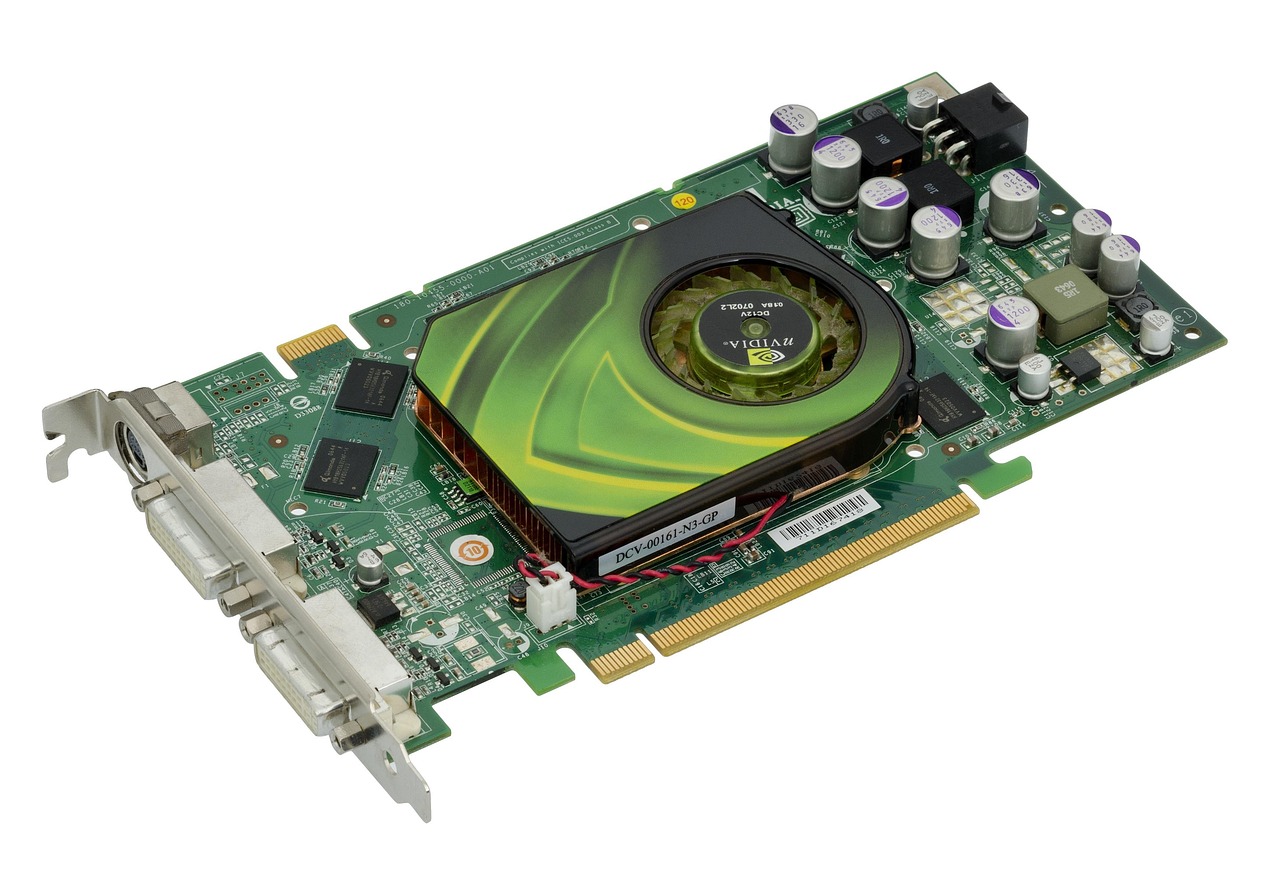
Photo by WikimediaImages on Pixabay.