Strategic Shifts on the Korean Peninsula
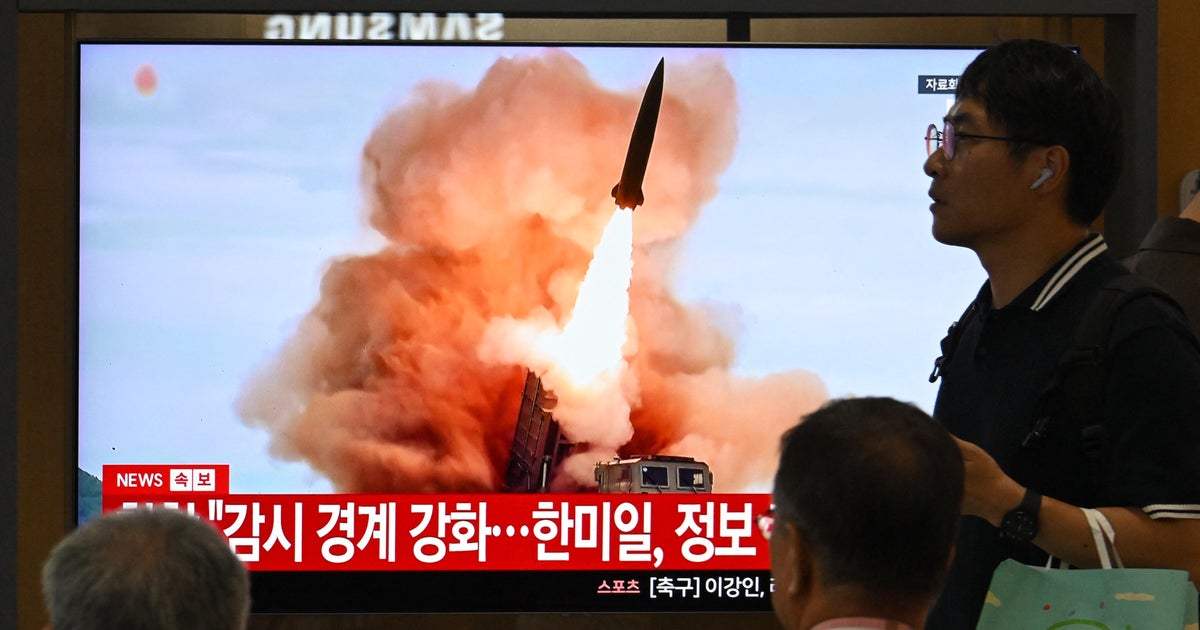
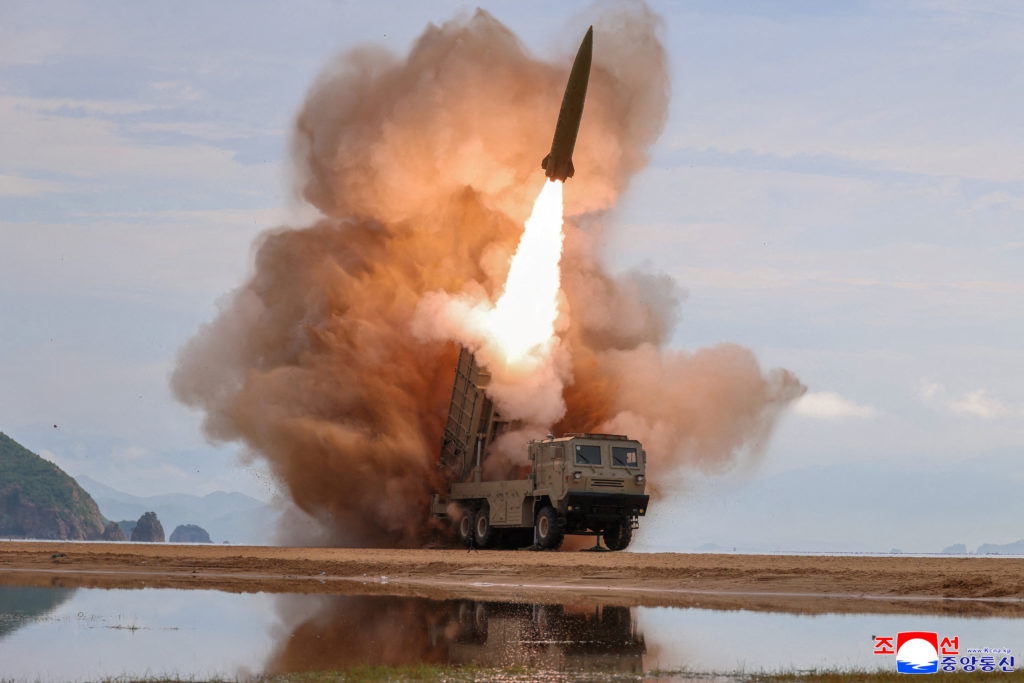
North Korea launched approximately ten short-range ballistic missiles toward its eastern waters from the Pyongyang capital region, with each projectile traveling roughly 300 kilometers. The launches occurred a day after Pyongyang dismissed a diplomatic overture from U.S. leadership, according to reports from South Korea’s military and the Associated Press.
These developments coincide with changing military postures by the United States and South Korea. U.S. leadership ordered a substantial reduction in the ongoing Ulchi Freedom Shield joint military exercises to rekindle diplomatic channels and nuclear talks. Pyongyang routinely views these annual drills as invasion rehearsals, typically responding with missile tests.
Military Adjustments and Regional Security Protocols
The curtailment of the eleven-day joint military exercises was framed by the U.S. administration as a measure to alter hostile signaling and establish a new framework for engagement. Alongside the operational scaling back, discussions included broader geopolitical friction points, such as South Korea’s positioning in separate international conflicts. Regional capitals have monitored these shifts to balance defense readiness with diplomatic flexibility.
In response, South Korea’s presidential national security council convened an emergency meeting, issuing a statement urging Pyongyang to halt ballistic missile tests prohibited under United Nations Security Council resolutions. Meanwhile, neighboring authorities, including the Japanese prime minister’s office, detected the activity and adjusted regional surveillance measures.
Institutional and Strategic Implications of Arsenal Growth
The timing of the launches underscores the complex strategic calculus in East Asia. U.S. statements accompanying the reduction of military drills highlighted estimates placing North Korea’s nuclear arsenal at 57 weapons, while South Korean official assessments indicate a higher stockpile ranging between 80 and 120 warheads.
This divergence in publicly cited arsenal figures highlights persistent intelligence challenges as allied nations calibrate deterrence strategies. The simultaneous pursuit of diplomatic overtures and heightened surveillance reflects an operational balancing act as South Korea, the United States, and Japan tighten intelligence coordination to navigate unconstrained weapons development.