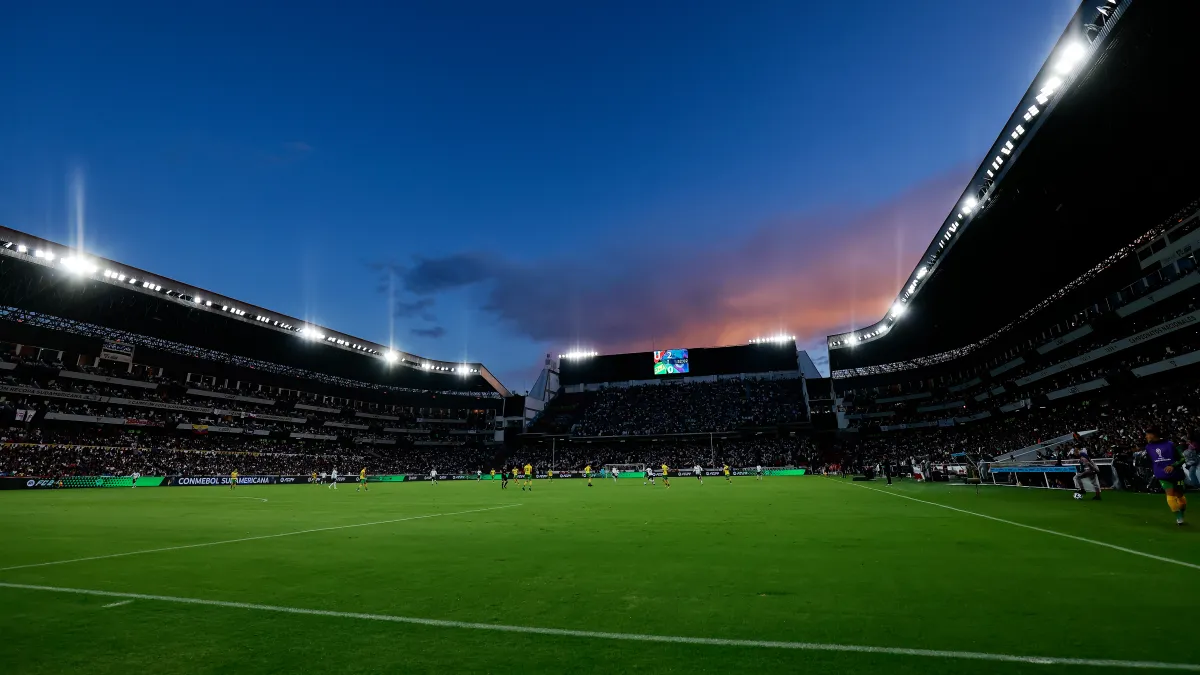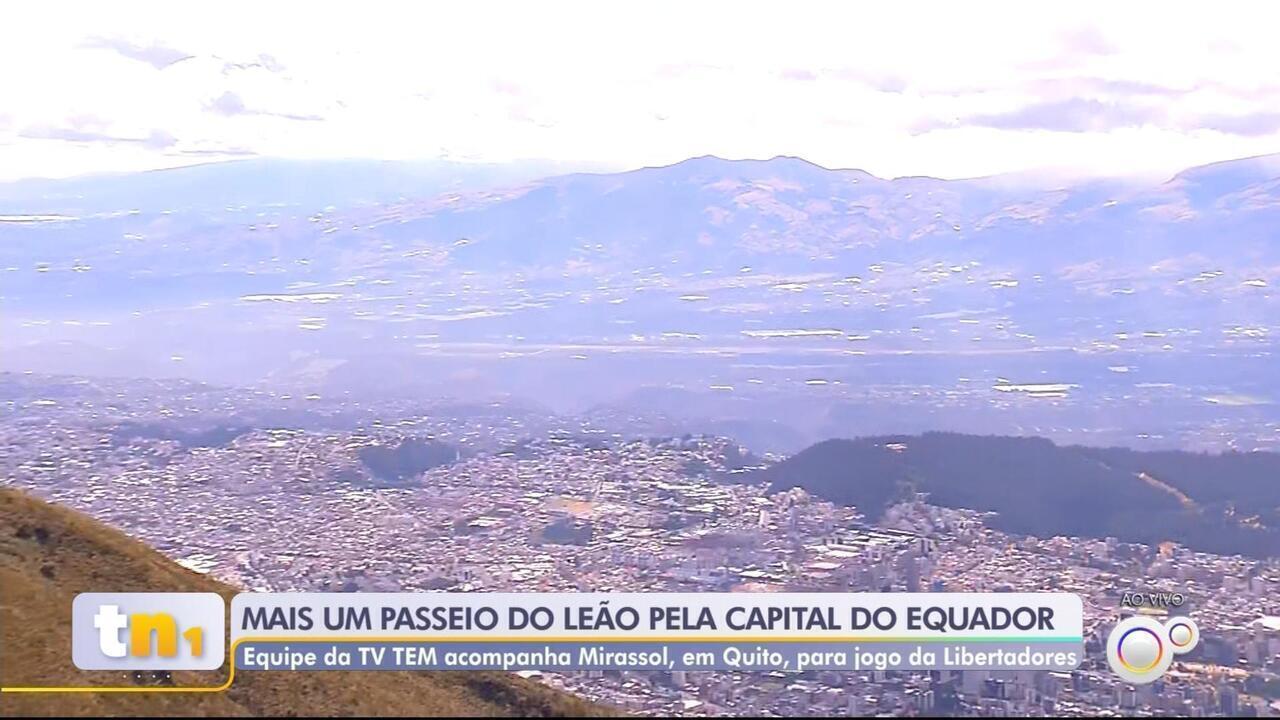
The Round of 16 second leg between LDU Quito and Mirassol at Estadio Rodrigo Paz Delgado transcends a standard knockout fixture, representing a collision between continental experience and institutional ambition. Following a 1-1 stalemate in the opening leg, the tactical landscape has shifted toward a high-stakes environment where LDU’s physiological home advantage meets Mirassol’s bid to disrupt a three-decade historical bottleneck for Brazilian debutants.
The Criciúma Benchmark and Institutional Evolution
Since CONMEBOL adopted the current knockout format in 1989, the trajectory for Brazilian debutants has been defined by structural barriers. Out of 14 clubs to debut in this era, only Criciúma (1992) successfully navigated the transition to the quarterfinals in its inaugural campaign. This 34-year-old precedent underscores the immense difficulty for emerging clubs to bypass established South American powers. For Mirassol, advancing would not only equal a rare historical feat but also validate a sporting model capable of competing with clubs possessing far deeper international scouting and logistical frameworks.
The Quito Variable: Physiological and Aerodynamic Challenges
The altitude of Quito remains the primary competitive variable in this tie. LDU historically exploits the oxygen-thin environment of the ‘Casa Blanca’ to impose a high-tempo pressing game that induces rapid fatigue in visiting squads. Beyond human physiology, the aerodynamic volatility of the ball at high elevations—characterized by reduced drag and increased velocity—favors LDU’s established proficiency in long-range ballistics and set-piece delivery. Mirassol’s success depends on localized physical management and defensive compactness to mitigate these environmental disadvantages.
Regulatory Volatility and Penalty Scenarios
Under the current regulatory framework for the 2026 Copa Libertadores, the Round of 16 bypasses extra time in the event of an aggregate tie, proceeding directly to a penalty shootout. This rule set significantly alters the coaching calculus; with the tie level at 1-1, any draw in Quito creates an immediate transition to spot-kicks. This absence of a 30-minute buffer places a premium on risk mitigation during the final quarter of regulation, as a single defensive lapse becomes effectively terminal with no time for tactical recovery.
Broadcast Distribution and Market Capitalization
The fixture’s distribution via ESPN 4 and Disney+ ensures maximum visibility across traditional and digital platforms, providing Mirassol with a level of commercial exposure typically reserved for the Brazilian ‘G-12’. For the club, this international platform serves as a catalyst for brand valuation and player marketability. A quarterfinal berth would significantly enhance the club’s revenue through CONMEBOL prize allocations and increased sponsorship leverage, potentially shifting the club’s status from a regional contender to a permanent fixture in the continental hierarchy.