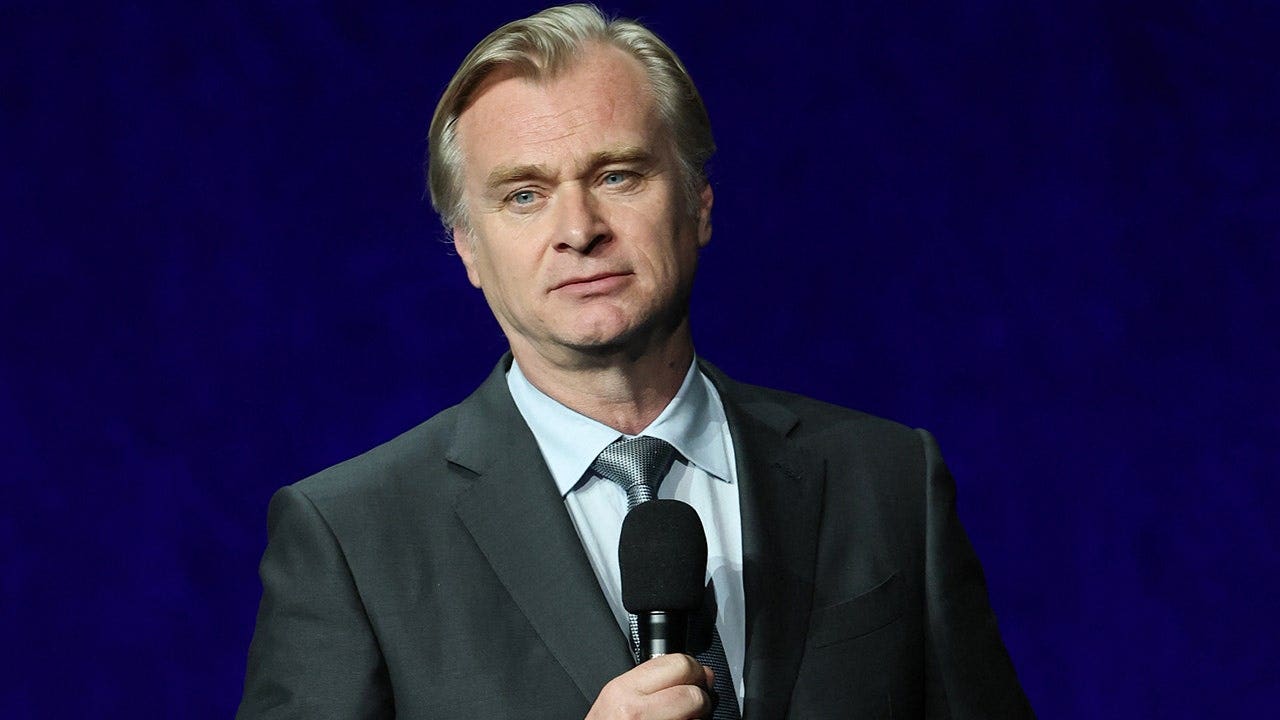
Christopher Nolan, a director defined by the intersection of technical rigor and commercial dominance, currently faces a multifaceted reputational crisis with his production of The Odyssey. This controversy is not merely aesthetic; it represents a fundamental clash between Nolan’s established brand equity and the rigid expectations of classical adaptation. By integrating modern dialogue and unconventional casting into a Bronze Age epic, the production has triggered significant institutional friction, testing the limits of creative license in a tightening global theatrical market.
The strategic decision to bypass social media influencers in favor of a curated list of institutional critics marks a defensive pivot in film distribution. This tactical retreat from the ‘influencer economy’ suggests a calculated move to stabilize the narrative before public release. In a landscape where viral criticism can preemptively tank a blockbuster, the studio’s restrictive screening policy serves as a damage-control mechanism, albeit one interpreted by analysts as a ‘surrender flag’ regarding the film’s potential for universal acclaim.
Central to the discourse is the casting of Lupita Nyong’o as Helen of Troy. This choice has become a flashpoint for debates over textual fidelity, specifically regarding Homer’s use of the epithet ‘white-armed’ (leukōlenos) to describe the character. While proponents view Nyong’o’s casting as an elevation of the role through her immense talent, critics—amplified by high-profile figures like Elon Musk—argue that such departures prioritize contemporary social imperatives over historical and literary consistency. This polarization shifts the film’s marketing challenge from promoting technical spectacle to navigating complex identity politics.
Further complicating the film’s reception are the inclusions of Elliot Page and Travis Scott, signaling a deliberate attempt to modernize the Homeric epic for a Gen-Z demographic. However, this modernization risk alienates core enthusiasts of the historical drama genre who demand immersion. This friction is particularly acute in Greek and Greek Cypriot media; outlets like the Greek City Times have framed the production as an erasure of living Greek identity, arguing that the exclusion of Greek talent in major roles—with the marginal exception of Yannis Kokiasmenos—constitutes a form of cultural marginalization.
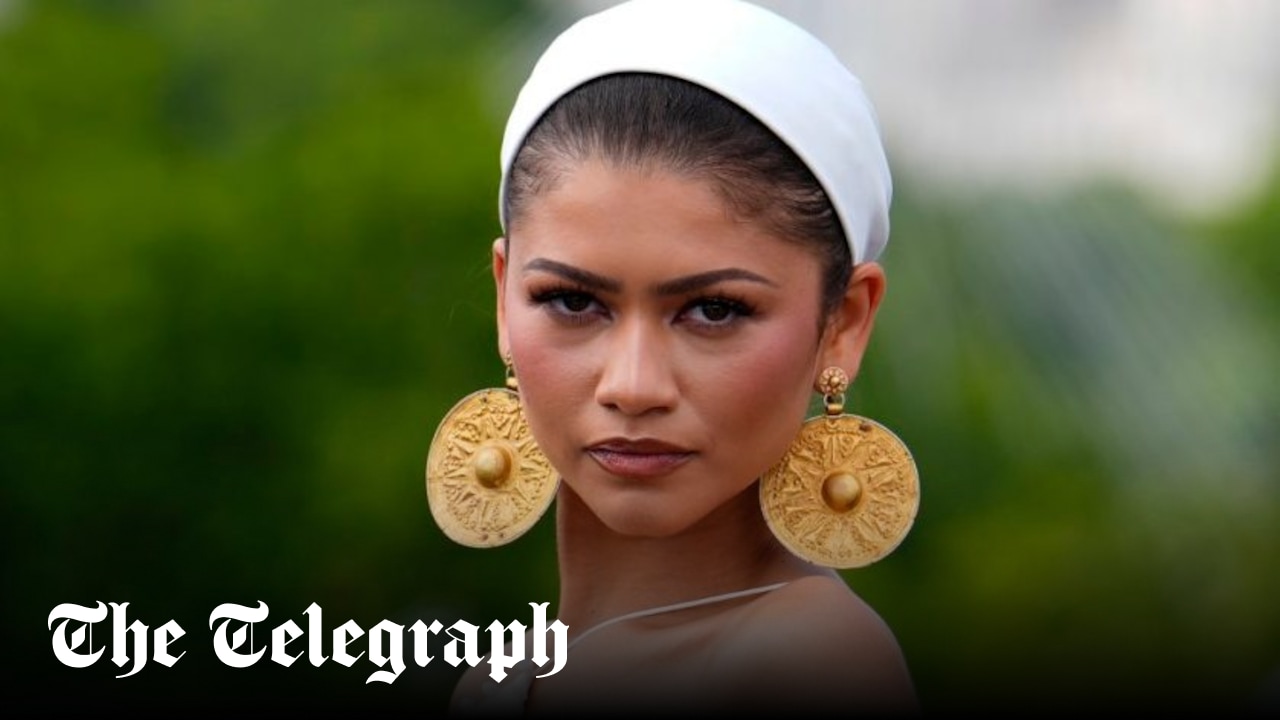
From a financial perspective, the involvement of filmmaker Yannis Smaragdis has raised questions about whether these casting decisions were artistically driven or strategically engineered to meet Academy Award diversity requirements. While the A-list ensemble—including Matt Damon, Zendaya, and Tom Holland—serves as a commercial hedge, the film’s high break-even point makes it vulnerable to poor word-of-mouth. Ultimately, The Odyssey stands as a high-stakes experiment: a test of whether star power and directorial prestige can overcome a perceived lack of cultural and textual authenticity in the modern era.