
The Personal Toll: Career Disruption and Psychological Impact
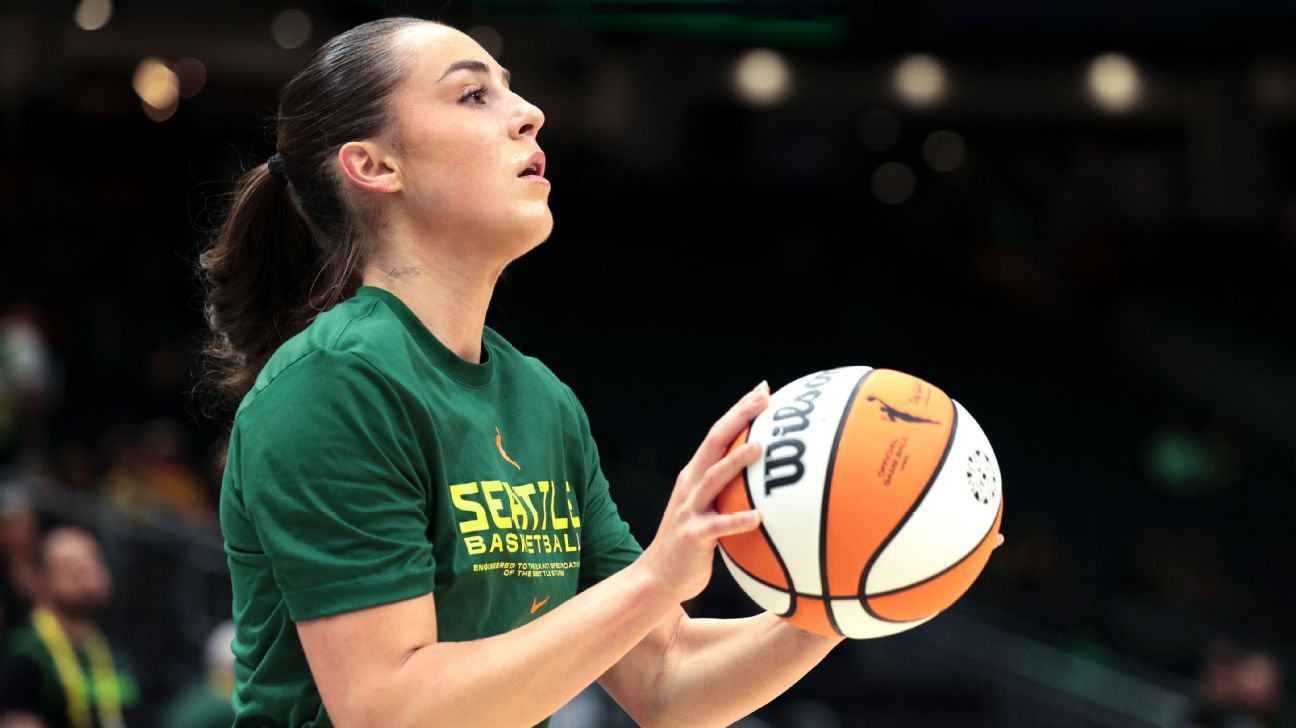
Seattle Storm point guard Nika Mühl faces a second consecutive WNBA season absence, a significant setback attributed to a torn right ACL sustained during a EuroBasket qualifying game for Croatia on March 11. This recent injury, which necessitated surgery, compounds an already challenging professional trajectory for the 24-year-old athlete. Her previous injury, a torn left ACL, sidelined her for the entire 2025 WNBA season while she competed overseas for the Turkish club Besiktas in the FIBA SuperCup.
These back-to-back ACL tears represent a profound interruption to Mühl’s professional development and her ability to establish a consistent presence in the WNBA. With only 16 games played across three seasons with the Storm, her opportunity to gain crucial experience, build team chemistry, and demonstrate her capabilities has been severely curtailed. The physical and psychological toll of undergoing two major reconstructive surgeries and extensive rehabilitation within such a short timeframe is immense, not only delaying skill refinement but also impacting an athlete’s confidence and ability to regain peak performance, potentially altering the long-term trajectory of her career.
Strategic Imperatives for the Seattle Storm: Roster Dynamics and Financial Implications
The Seattle Storm faces significant operational and strategic challenges stemming from Mühl’s prolonged absence. As a point guard, her role is central to offensive initiation and defensive organization, making her unavailability a critical factor in roster construction and game-day planning. From a roster management perspective, the Storm must now navigate another season with a key developmental asset sidelined, impacting their depth chart and requiring existing players to absorb additional responsibilities, straining team resources and limiting tactical flexibility.
Financially, the situation presents complexities related to salary cap management and roster efficiency. While specific contractual details are not disclosed, a player on a guaranteed contract who is unable to play still occupies a valuable roster spot and salary cap allocation, potentially limiting the team’s ability to acquire other talent through free agency or trades. The repeated nature of these injuries also impacts the Storm’s long-term investment strategy in player development. The organization has invested resources in Mühl, a former UConn player, and the inability to see that investment translate into on-court performance for consecutive seasons necessitates a re-evaluation of future talent acquisition and risk management protocols for international play.
The Global Basketball Economy: Incentives, Cumulative Load, and Inherent Risks
Mühl’s injuries, both sustained while playing overseas for international clubs and national teams, underscore a broader structural dynamic within professional basketball: the globalized player ecosystem. Many WNBA athletes participate in international leagues during the WNBA offseason, driven by a combination of financial incentives, the desire for continuous competitive play, and national team obligations.
This practice, while offering benefits such as supplemental income and skill development, inherently exposes players to increased physical demands and a higher risk of injury. The cumulative load from playing year-round across different leagues and continents, often with varying training methodologies, medical support structures, and travel demands, can predispose athletes to overuse injuries and acute trauma. The financial imperative for WNBA players to seek overseas contracts is a well-documented aspect of the league’s economic structure; many players still earn significantly more internationally, creating a strong incentive to participate despite heightened injury risk. Furthermore, national team commitments, such as EuroBasket qualifying, add another layer of scheduling complexity and physical exertion to an already demanding professional calendar.
Navigating Contractual Labyrinths: Liability, Insurance, and Player Vulnerability
The occurrence of injuries in international play introduces intricate contractual and liability questions. A player like Mühl typically operates under multiple agreements: a WNBA contract, an overseas club contract, and potentially a national team agreement. Each contract may have different provisions regarding injury compensation, rehabilitation responsibilities, and insurance coverage, creating a fragmented and often ambiguous framework.
Determining which entity bears the primary financial responsibility for rehabilitation costs, lost wages, and long-term medical care becomes a complex legal and financial exercise. While WNBA teams often have clauses addressing overseas play, the specifics of insurance policies and inter-league agreements can vary widely, creating potential gaps in coverage or disputes over financial obligations. The absence of a unified global player contract or a comprehensive, standardized insurance framework across all professional basketball entities (WNBA, FIBA, national federations, international clubs) leaves individual players vulnerable to significant financial exposure, particularly when career-threatening injuries occur. For the Seattle Storm, understanding the precise terms of Mühl’s overseas contracts and any associated insurance policies is critical for managing their financial exposure and planning for her long-term recovery; the incident highlights the need for robust risk assessment and contractual due diligence.
Systemic Oversight and Advocacy: Demanding Unified Player Protection
Mühl’s repeated injuries bring into sharper focus the role of institutional oversight in safeguarding player welfare across the global basketball landscape. Both the WNBA and international governing bodies like FIBA have a vested interest in the health and longevity of elite athletes, yet the current system appears to present inherent, unmitigated risks. The WNBA, as the primary employer for many of these athletes, is increasingly confronted with the consequences of overseas play. While the league benefits from its players gaining experience, it also bears the brunt of injuries that occur outside its direct control, impacting team competitiveness and financial planning.
FIBA, as the organizer of international competitions, plays a crucial role in setting competition schedules, medical standards, and player safety protocols for its events. The frequency of high-profile injuries in these competitions prompts scrutiny of their load management policies and the adequacy of medical provisions. Player unions and advocacy groups are likely to leverage such incidents to push for enhanced player protections. This could include advocating for more comprehensive, standardized injury insurance, stricter limits on player workload, or more robust medical support systems that transcend individual team or league affiliations, aiming for a more unified and accountable player welfare framework.
Beyond the Court: Market Perception and Long-term Athlete Value
Beyond the immediate athletic and team-level impacts, consecutive season-ending injuries can significantly affect an athlete’s market perception and long-term endorsement value. For a young player like Mühl, who is still in the early stages of building her professional brand, prolonged absence from the court limits exposure and opportunities for commercial partnerships. Sponsors and brands typically seek athletes who are consistently visible, performing at a high level, and engaging with fans. Extended periods of rehabilitation, while demonstrating resilience, do not offer the same platform for brand activation as active competition. This can lead to a reduction in potential endorsement deals or a re-evaluation of existing agreements.
The narrative surrounding an athlete’s health and durability can also influence future contract negotiations within the league. Teams, when considering long-term investments, factor in a player’s injury history and perceived risk, which can impact salary offers and contract length, particularly after multiple major surgeries. For Mühl, rebuilding her on-court presence and demonstrating sustained health will be critical for re-establishing her market value and securing future financial opportunities beyond her playing salary, adding another layer of pressure to an already arduous rehabilitation process.
Amplifying the Debate: Media’s Role in Systemic Accountability
The news of Nika Mühl’s second ACL tear contributes to an ongoing media discourse surrounding player safety and systemic accountability in professional sports. Such stories often spark renewed debate among sports journalists, analysts, and fans about the pressures placed on athletes and the responsibilities of the organizations that employ them. The narrative typically extends beyond individual misfortune to question the broader structures that enable or exacerbate these risks. This includes discussions on the WNBA’s salary structure, which often compels players to seek overseas income, and the scheduling demands of international basketball federations.
Media coverage can influence public perception and, in turn, exert pressure on leagues and governing bodies to address player welfare concerns more comprehensively. While specific policy changes are not immediate outcomes, sustained media attention can contribute to a climate where institutional reforms become more likely or politically viable. The repeated nature of Mühl’s injuries, specifically occurring in different international contexts, serves as a stark reminder of the interconnectedness of the global basketball calendar and the shared responsibility of stakeholders to protect the athletes who drive the sport’s commercial and competitive value.
Charting a New Path: Collective Action for a Sustainable Future
Nika Mühl’s situation, while unique in its specifics, sets a crucial precedent for how the WNBA, its teams, and international bodies might approach player management in the future. The repeated injury of a young, promising talent due to overseas play could prompt more stringent policies or collaborative efforts to mitigate risks. Potential evolutions could include enhanced communication protocols between WNBA teams, overseas clubs, and national federations regarding player health and workload. There might also be a push for more standardized medical evaluations and rehabilitation guidelines that apply across all competitive environments.
For the Seattle Storm, the long-term strategic outlook will involve careful consideration of how to support Mühl through her recovery while simultaneously planning for immediate roster needs. This incident reinforces the complex trade-offs inherent in a league that relies on a global talent pool but faces challenges in managing player health across diverse jurisdictions. Ultimately, Mühl’s journey back to the court will be closely watched, not only for her personal triumph but also for the broader lessons it offers about the sustainability of the current global professional basketball model and the imperative for collective action to prioritize athlete well-being for the long-term health of the sport.

Photo by NatasaInsightMagazine on Pixabay.