
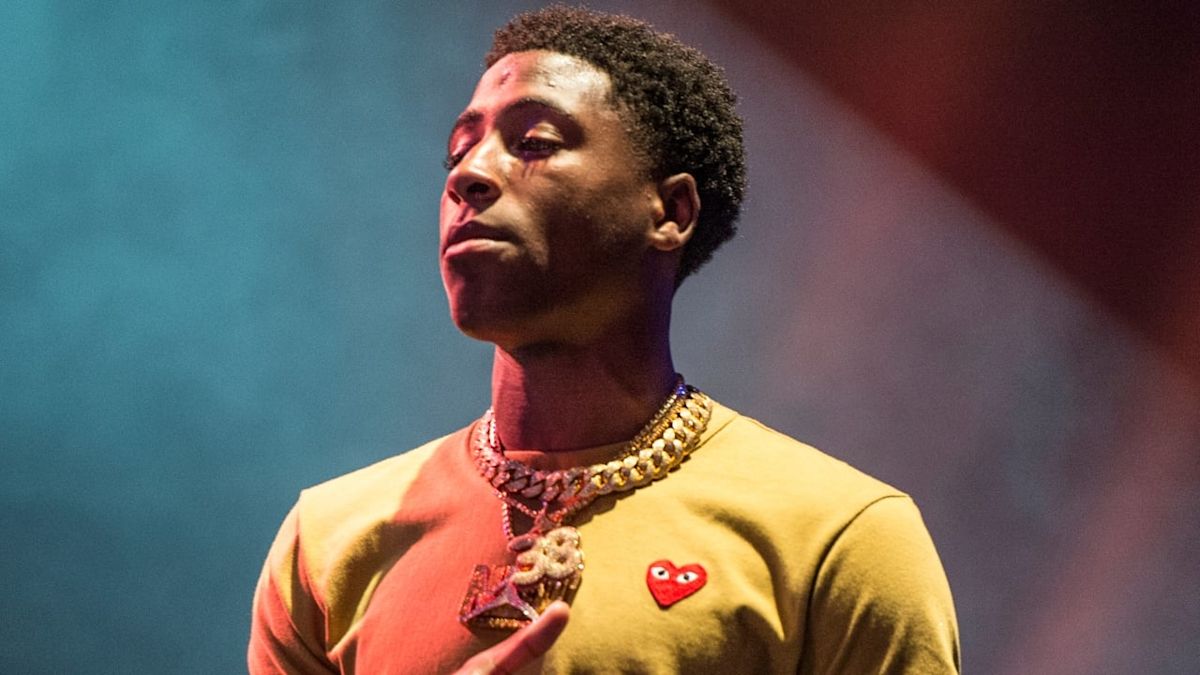
Cardiovascular Disclosures and Live Touring Operations
During an appearance on Funny Marco’s Open Thoughts, 26-year-old recording artist NBA YoungBoy disclosed that a physician diagnosed him with a swollen left cardiac chamber during an active tour schedule. Rather than halting operations or notifying his management and public relations teams, the performer concealed the diagnosis and completed all scheduled dates. Subsequent reporting by Complex confirmed that the structural enlargement persists without an official public clinical diagnosis or disclosed therapeutic protocol. This decision underscores the structural tension between personal health management and the immense financial momentum of live concert logistics.
Contractual Exposure and Live Event Risk Insurance
Concealing a severe medical condition while fulfilling performance obligations introduces critical legal and financial exposures across the live entertainment ecosystem. Event cancellation insurance policies require comprehensive risk disclosure to protect promoters, venue operators, and underwriters against performance failures. By withholding his diagnosis, the artist unilaterally absorbed the contingent liability of emergency medical outcomes on stage, exposing corporate partners to uninsured operational disruptions. Live hip-hop performances demand sustained cardiovascular exertion, making unmonitored cardiac enlargement a severe physiological liability during multi-date tour cycles.
Catalog Monetization and Fulfilling Label Deliverables
NBA YoungBoy further announced plans to exit the music industry following the release of one or two additional studio albums, citing a shift in personal priorities. A defined retirement timeline fundamentally alters the economic valuation of an artist’s discography. While active releases typically stimulate back-catalog streaming volume, a structured exit prompts record labels and institutional catalog buyers to model long-term cash flow capabilities based on static intellectual property assets. Delivering his final contractual projects allows the artist to satisfy label obligations cleanly while optimizing short-term promotional leverage before retiring from active production.
International Relocation and Expatriate Infrastructure
Accompanying his retirement roadmap is an intended permanent relocation to South Korea. Shifting primary jurisdiction away from North America alters an artist’s operational footprint, tax exposure, and intellectual property administration. While digital streaming infrastructure maintains global revenue distribution regardless of geographic location, physical distance isolates the performer from traditional domestic media ecosystems and promotional circuits. This strategic isolation serves both as a boundary against industry pressures and an opportunity to restructure global brand alignments from an East Asian base.
Occupational Health Frameworks in Live Entertainment
The circumstances surrounding NBA YoungBoy’s disclosure highlight systemic gaps in occupational health oversight within the music sector. Unlike professional sports organizations, which enforce mandatory medical monitoring and continuous biomechanical protocols, independent recording talent operates without standardized physical evaluations. Consequently, high-earning performers carry individual physical risks during rigorous touring cycles, relying entirely on personal discretion rather than institutional safety frameworks. Adapting talent management models to prioritize preventative wellness will be essential for sustaining long-term career viability across the music ecosystem.
Photo by admomediaoffice on Pixabay.